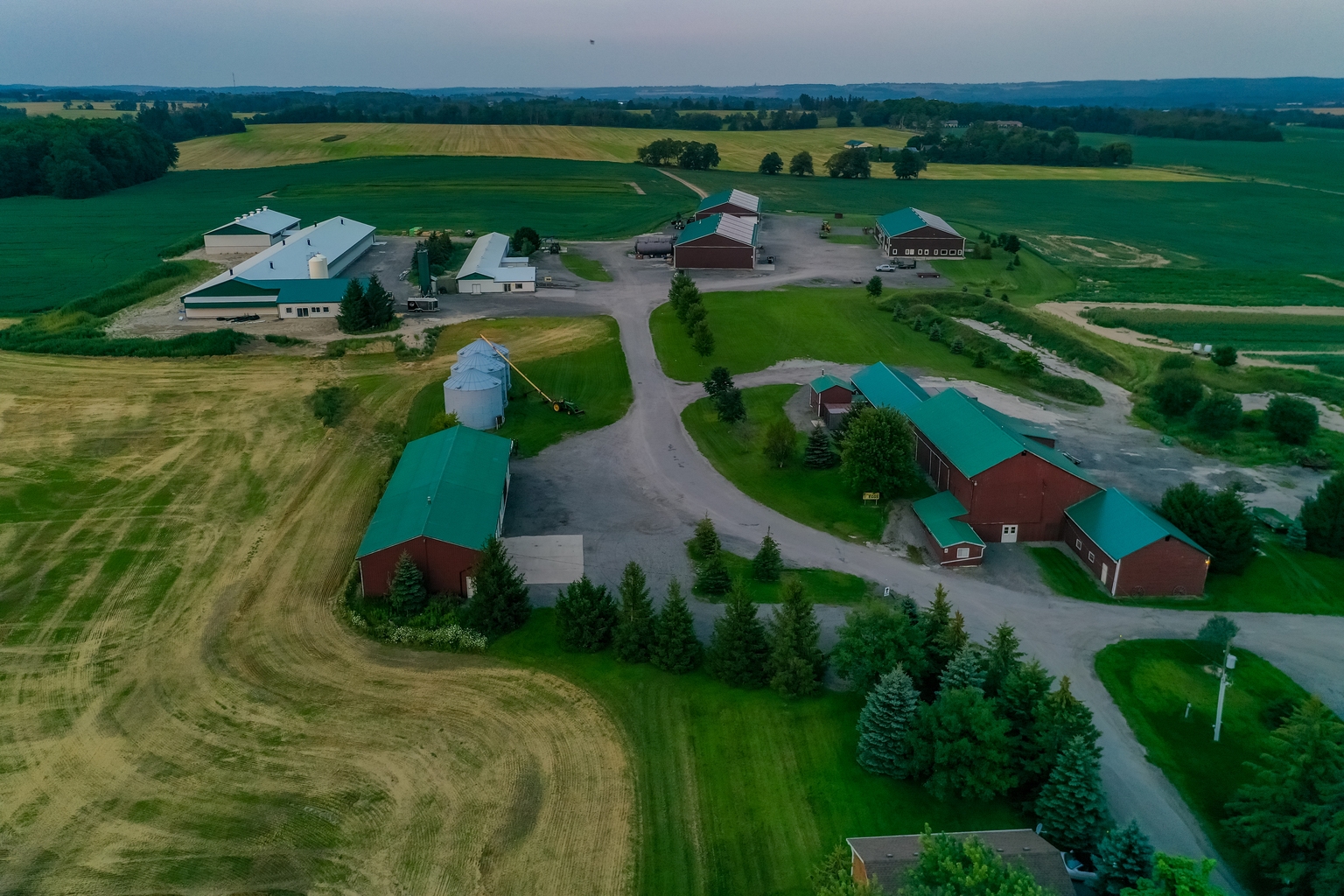
Gladstone Land Corporation is pivoting its capital allocation strategy to prioritize the repurchase of its preferred stock, a move that underscores the company's focus on balance sheet efficiency amid a period of fluctuating agricultural land values. By targeting its preferred shares, which currently offer a yield of approximately 7.2%, the company is effectively reducing its cost of capital while providing a floor for its equity valuation. This strategy reflects a broader trend among real estate investment trusts that operate in the specialized farmland sector, where long-term asset appreciation is often balanced against the immediate need to manage dividend obligations.
Farmland Demand and Commodity Price Sensitivity
The fundamental driver for Gladstone Land remains the underlying demand for high-quality, productive farmland. The company's portfolio is heavily weighted toward permanent crops, which are generally less susceptible to the annual volatility seen in row crops. However, the profitability of these assets is intrinsically linked to the broader soft commodity cycle. When commodity prices face downward pressure, the ability of tenants to meet lease obligations becomes the primary risk factor for the company's revenue stream. The current focus on buybacks suggests management is confident in the stability of its rental income, even as the broader agricultural sector navigates a period of price correction.
Capital Structure and Preferred Equity Management
Gladstone Land's decision to utilize buybacks for its preferred shares serves as a defensive mechanism against interest rate sensitivity. Preferred shares are often viewed as bond proxies, meaning their market value is highly reactive to shifts in the yield environment. By actively retiring these shares, the company is not only reducing its recurring dividend payments but also signaling to the market that it views its own debt-like instruments as undervalued relative to the long-term cash flow generation of its land holdings. This approach allows the company to maintain a leaner capital structure without diluting common shareholders.
AlphaScala data currently tracks NDAQ (Nasdaq Inc.) with an Alpha Score of 50/100, reflecting a mixed outlook for the broader financial sector that influences how REITs like Gladstone Land are valued by institutional investors. You can track further developments in the financial sector via the NDAQ stock page.
Operational Outlook and Seasonal Factors
Looking ahead, the company's performance will be dictated by the upcoming harvest cycles and the subsequent impact on tenant liquidity. Because farmland leases are often structured with annual or semi-annual payments, the timing of cash inflows is highly seasonal. Investors should monitor the company's next quarterly filing for updates on the pace of these buybacks and any changes to the weighted average lease term across its portfolio. If the company continues to aggressively retire preferred equity, it may indicate a shift toward a more conservative leverage profile, which would be a critical marker for assessing the safety of common dividends in the next fiscal year. For broader context on how asset valuations are shifting, see our commodities analysis or review the precious metals retreat as energy costs and policy uncertainty converge.