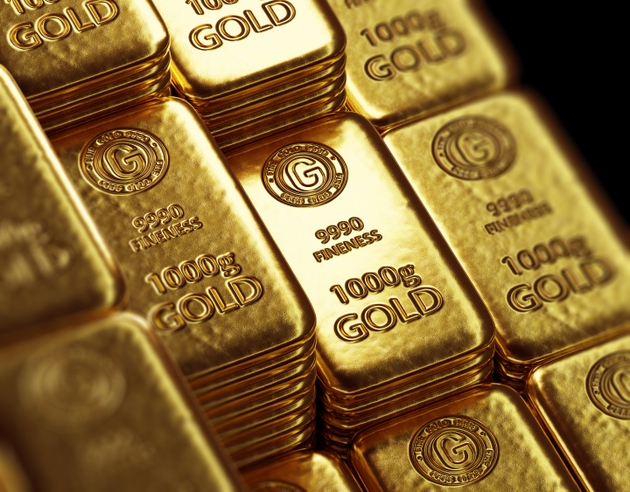
Gold and silver prices are facing renewed downward pressure as the intersection of stalled geopolitical negotiations and rising energy costs reshapes the macroeconomic landscape. The failure to reach a diplomatic breakthrough in U.S.-Iran talks has acted as a primary catalyst for crude oil gains, which in turn has intensified concerns regarding persistent inflationary pressures. When energy prices climb, the broader cost of production and transportation increases, forcing investors to recalibrate their expectations for central bank policy.
Energy-Driven Inflation and Monetary Policy
Rising crude oil prices serve as a direct headwind for non-yielding assets like gold. As energy costs climb, the market begins to price in a more hawkish stance from central banks, which must weigh the risks of entrenched inflation against the potential for economic cooling. Gold, which lacks a coupon or dividend, becomes less attractive to investors when the opportunity cost of holding the metal rises alongside interest rates. The current environment is characterized by a shift in capital allocation, as participants move away from safe-haven metals in anticipation of policy updates that may favor higher-yielding instruments.
Geopolitical Risk and Market Sentiment
The impasse in U.S.-Iran negotiations has introduced a layer of volatility that is currently being absorbed by the energy sector rather than the precious metals market. While gold is traditionally viewed as a hedge against geopolitical instability, the immediate market response has prioritized the inflationary implications of higher oil prices over the safety premium of gold. This dynamic highlights a divergence in how commodities are currently being traded. The following factors are shaping the current outlook:
- The direct correlation between crude oil price spikes and rising inflation expectations.
- The anticipation of central bank meetings, which are expected to provide clarity on interest rate trajectories.
- A shift in liquidity toward energy-sensitive assets as traders hedge against supply-side shocks.
AlphaScala data currently reflects a cautious outlook for precious metals, with the GLD stock page showing an Alpha Score of 28/100, categorized as Weak. This score suggests that the current price action in gold is struggling to find a floor despite the underlying geopolitical uncertainty. Investors are now looking toward the upcoming central bank policy announcements as the next major indicator for price direction. These meetings will serve as a critical marker for whether the current inflationary pressure is viewed as transitory or if it necessitates a more aggressive monetary response. Further analysis on historical trends can be found in our gold profile and our broader commodities analysis.