Stocks● Neutral
Giotto's Ship Lights: What a 14th-Century Painter Knew About Friendship
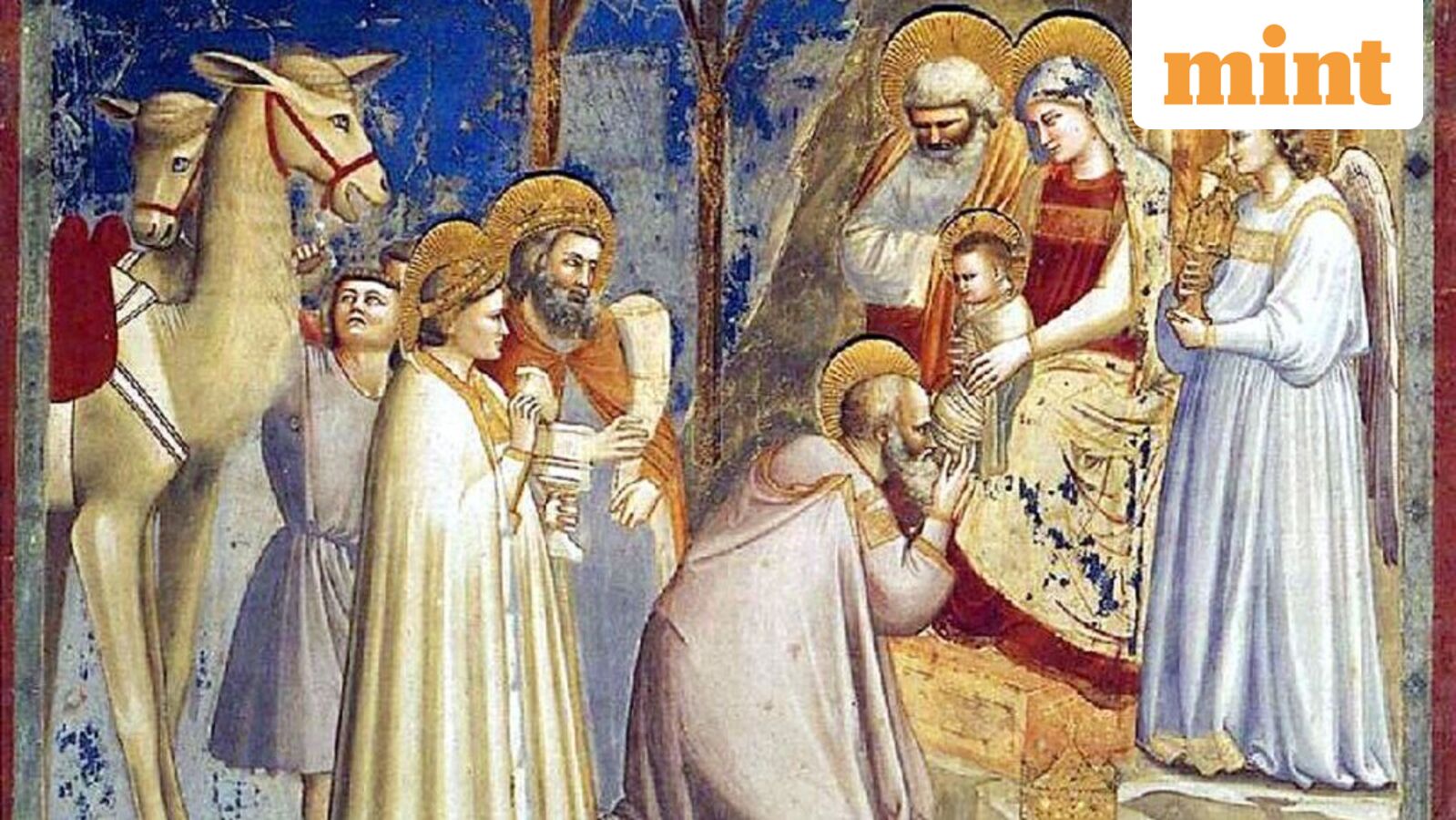
Giotto's 14th-century quote about friends as ship lights in a storm endures because it describes a practical truth, not a sentiment. His art did the same.
Continue with
Giotto di Bondone, the Florentine painter who dragged European art out of the Middle Ages, left behind a sentence that has outlived every fresco he painted. "The sincere friends of this world are as ship lights in the stormiest of nights." He wrote it sometime in the early 1300s. It survives because it describes a fact, not a sentiment.
A storm arrives without warning. A sailor looks for a light. The light does not stop the waves. It tells the sailor where land is. Giotto's metaphor treats friendship the same way: a practical beacon, not a promise of calm. Real friends appear when the ship is taking on water. They do not choose the storm. They burn regardless.
The quote draws its power from the same instinct that made Giotto's paintings revolutionary. Before him, medieval art used people as symbols. Giotto painted them as neighbors. The Scrovegni Chapel in Padua, finished around 1305, shows biblical scenes with faces that look like they belong to the people in the pews. Mary mourns like a mother, not an icon. The Lamentation packs grief into a single diagonal line of bodies. The viewer does not need to know theology to feel it.
Giotto learned to draw while tending sheep near Florence. The story, likely embellished, says the painter Cimabue spotted his sketches on a rock and took him as an apprentice. That apprenticeship changed European painting. The Ognissanti Madonna, now in Florence's Uffizi Gallery, gave the Virgin a physical weight medieval art had denied her. She occupies space. She breathes. Giotto treated human emotion as something worth recording, not just a stand-in for divine truth.