Georgia Insurance Moratorium Shifts Risk Calculus for Property Underwriters

Georgia's insurance commissioner has barred policy cancellations in wildfire-affected counties, forcing insurers to maintain coverage despite shifting risk profiles.
HASBRO, INC. currently screens as unscored on AlphaScala's scoring model.
Alpha Score of 45 reflects weak overall profile with strong momentum, poor value, poor quality, weak sentiment.
Alpha Score of 52 reflects moderate overall profile with poor momentum, strong value, strong quality, weak sentiment.
Alpha Score of 57 reflects moderate overall profile with poor momentum, strong value, strong quality, moderate sentiment.
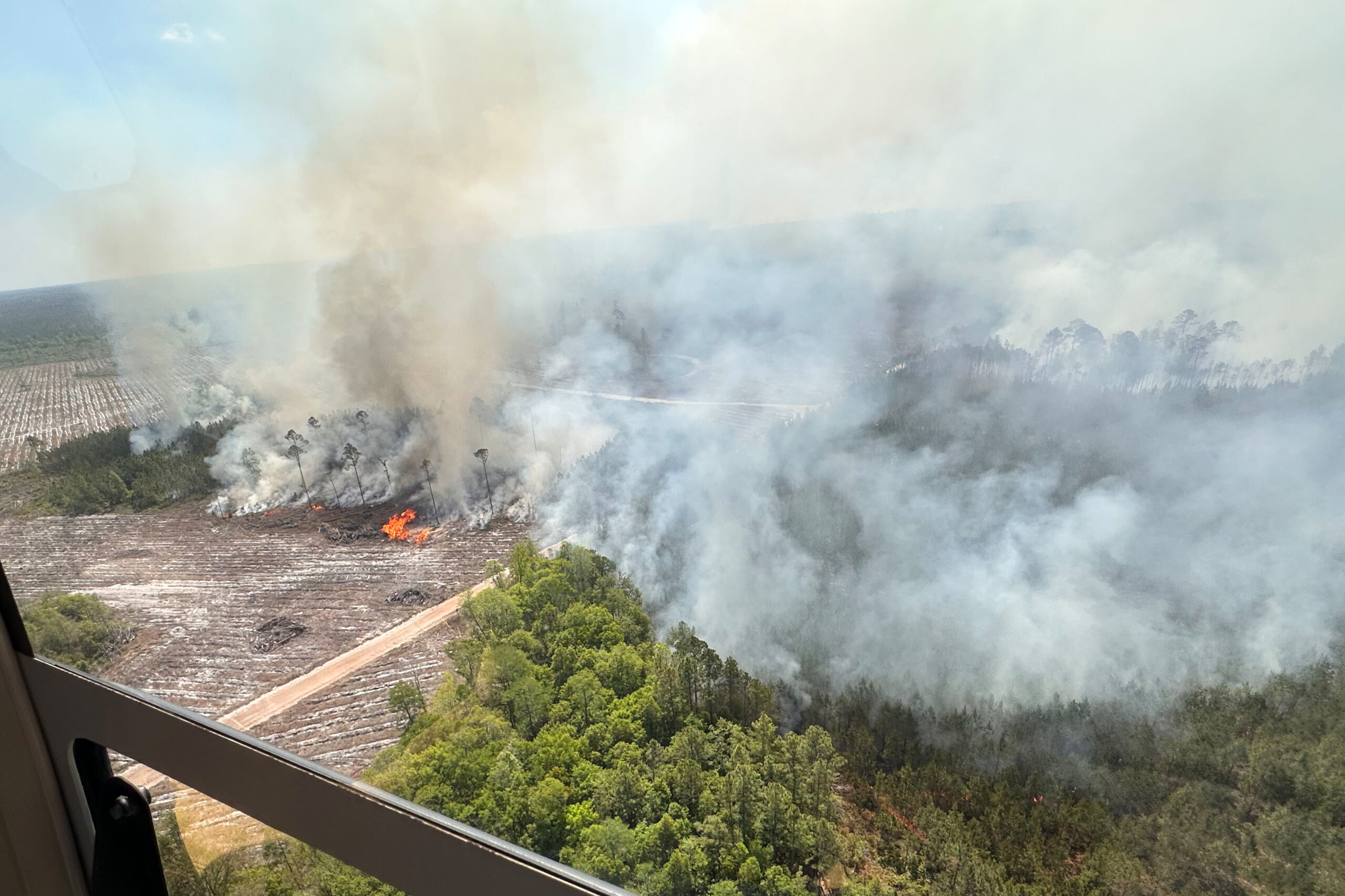
Georgia Insurance Commissioner John King has invoked statutory authority to implement an immediate moratorium on property insurance policy cancellations across counties impacted by wildfires fueled by debris from Hurricane Helene. This regulatory intervention prevents insurers from terminating coverage for policyholders in designated zones, effectively freezing the current risk distribution for carriers operating within the state. The directive aims to provide stability for residents facing immediate property threats, but it creates a distinct operational constraint for the insurance sector.
Regulatory Constraints on Underwriting Flexibility
The suspension of cancellation rights alters the standard risk management cycle for property and casualty insurers. Typically, carriers adjust their exposure by non-renewing policies in high-risk areas or recalibrating premiums based on evolving environmental threats. By removing the ability to cancel or non-renew policies during this emergency period, the state has shifted the burden of continued coverage onto the insurers regardless of the changing physical risk profile of the properties involved. This creates a temporary disconnect between actuarial models and actual policy obligations.
For companies with significant exposure in the Southeast, this move serves as a reminder of the heightened regulatory scrutiny surrounding disaster-prone regions. Insurers must now manage their loss reserves while maintaining coverage for properties that may have already sustained damage or are currently in the path of active fire fronts. The duration of this moratorium will be the primary variable determining the extent of the financial impact on regional underwriting margins.
Sector Read-Through and Exposure Dynamics
The insurance industry often faces these state-level interventions following natural disasters, but the compounding nature of Hurricane Helene debris and subsequent wildfires creates a unique stress test. Investors should monitor how this policy affects the loss ratios of regional carriers compared to national firms with more diversified geographic footprints. The inability to exit or reprice risk in the short term forces firms to absorb potential claims volatility without the usual mitigation levers.
AlphaScala data currently tracks various consumer-facing sectors, including AS stock page, which holds an Alpha Score of 47/100 and a Mixed label within the Consumer Cyclical sector. While the insurance sector operates under different dynamics than consumer goods, the broader theme of regulatory intervention in response to climate-related events remains a persistent factor in stock market analysis. The focus for the sector now shifts to the duration of the state order and the potential for similar measures in neighboring jurisdictions if fire conditions persist.
The Path to Normalization
The next concrete marker for this situation will be the formal announcement from the Commissioner regarding the expiration of the moratorium. Until the order is lifted, insurers are effectively locked into their current book of business within the affected counties. Market participants should watch for subsequent filings or guidance from major property insurers regarding their updated loss expectations for the fourth quarter. These disclosures will clarify whether the regulatory freeze has necessitated a shift in reserve allocations or if the impact remains within the bounds of existing catastrophe modeling.
AI-drafted from named sources and checked against AlphaScala publishing rules before release. Direct quotes must match source text, low-information tables are removed, and thinner or higher-risk stories can be held for manual review.