Back to Markets
Macro● Neutral

Geopolitical Volatility Spikes: Hezbollah Drone Barrage Hits Northern Israel

April 11, 2026 at 06:12 PMBy AlphaScalaSource: yahoo.com
Geopolitical Volatility Spikes: Hezbollah Drone Barrage Hits Northern Israel

A coordinated Hezbollah drone and rocket attack on Shlomi, Israel, has caused structural damage, prompting fresh concerns among investors regarding regional stability and the associated geopolitical risk premium.

Escalating Tensions in the North

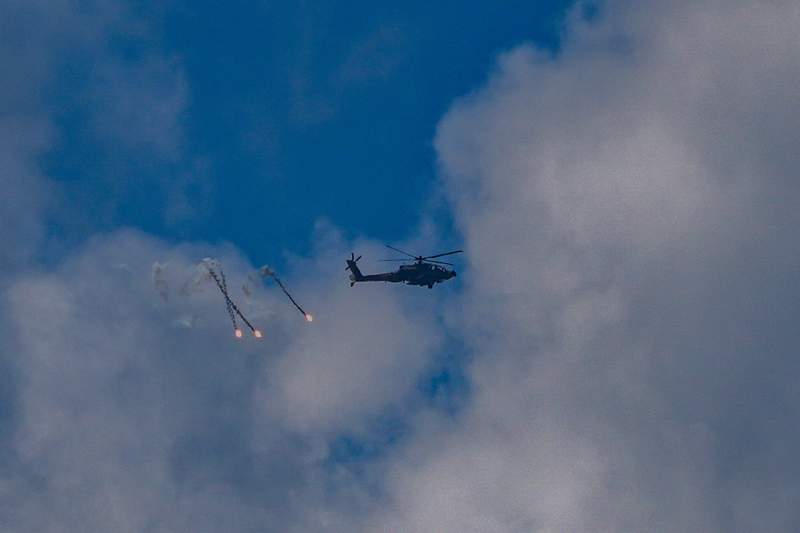
The security situation along Israel’s northern frontier intensified on Saturday afternoon as a coordinated aerial assault by Hezbollah targeted civilian infrastructure. Magen David Adom, Israel’s national emergency service, mobilized response teams following reports of a direct impact in the town of Shlomi. The attack, which involved a barrage of rockets and at least five hostile drones breaching Israeli airspace, resulted in structural damage to a local apartment building. While emergency services confirmed the damage, the incident underscores the persistent and evolving threat landscape facing the region.

The Tactical Shift: Drones and Rockets

This latest strike highlights a shift in tactical operations, with the deployment of drones adding a new layer of complexity to regional air defense systems. Hezbollah’s ability to penetrate airspace with multiple unmanned aerial vehicles (UAVs) simultaneously suggests an ongoing attempt to overwhelm existing defensive layers. The damage to the Shlomi apartment building serves as a stark reminder of the vulnerability of border-adjacent communities, which have faced near-daily exchanges of fire since the broader conflict in the region escalated.

Market Implications and Regional Stability

For traders and institutional investors, the situation in Northern Israel represents a primary source of "geopolitical risk premium" in the markets. Historically, localized escalations between Israel and Hezbollah have the potential to spill over into broader regional instability, which frequently manifests in increased volatility across energy markets and safe-haven assets.

When cross-border fire intensifies, the immediate market reaction is often a flight to quality. Investors typically rotate capital into assets perceived as stable during times of conflict, such as gold, the U.S. Dollar, and in some instances, U.S. Treasuries. Furthermore, any perception that the conflict could broaden to include major oil-producing nations in the Middle East tends to exert upward pressure on crude oil futures, as market participants hedge against potential supply chain disruptions in the Strait of Hormuz or elsewhere in the Persian Gulf.

Analyzing the Risk Premium

While the current damage in Shlomi is localized, the frequency of such incursions is a critical metric for risk managers. The "fog of war" often creates liquidity gaps in regional indices, such as the TA-35, and can lead to increased bid-ask spreads during periods of heightened military activity. For those monitoring the situation, the key is to distinguish between localized tactical exchanges—which the market has largely begun to price in—and a potential shift toward a full-scale, multi-front conflict that would require a significant repricing of global risk assets.

What to Watch Next

Investors should remain vigilant regarding statements from the Israel Defense Forces (IDF) and regional diplomatic channels. The primary indicators to watch moving forward include:

  1. Defensive Efficacy: The success rate of the Iron Dome and supplementary anti-drone systems in intercepting future barrages.
  2. Diplomatic Backchannels: Any signs of de-escalation efforts by international mediators aiming to prevent a wider conflict.
  3. Market Volatility Indices: Sudden spikes in the VIX or regional volatility measures that may indicate the market is pricing in a higher probability of regional contagion.

As the situation remains fluid, market participants are advised to maintain robust risk management protocols, as sudden geopolitical catalysts can trigger rapid, non-linear moves in global financial markets.