Macro● Neutral
Netanyahu’s Generational Peace Push Keeps Geopolitical Risk High
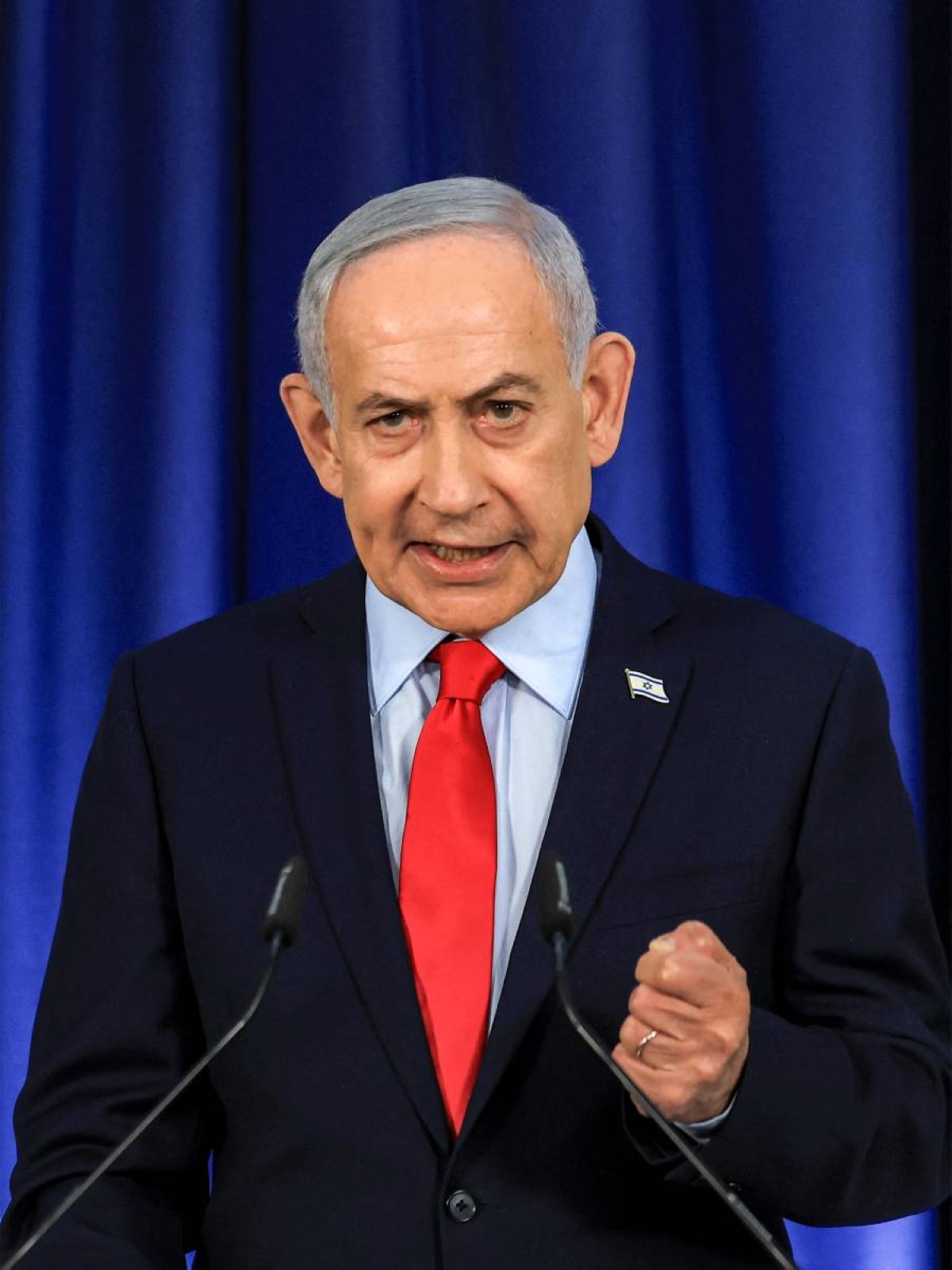
Israel’s shift toward long-term security guarantees signals a protracted negotiation phase. Expect sustained volatility in CL and NG energy futures ahead.
Continue with
A Shift in Strategic Objectives
Israeli Prime Minister Benjamin Netanyahu signaled a desire for a definitive resolution to the ongoing conflict with Lebanon, stating on Saturday that any potential peace agreement must be structured to “last for generations.” This declaration marks a significant shift in the rhetoric surrounding the border conflict, moving from immediate tactical de-escalation toward a framework intended to ensure long-term regional stability.
For market participants, the statement underscores the persistent geopolitical risk premium that has characterized the Middle East throughout the current conflict cycle. While traders often prioritize immediate ceasefire headlines, Netanyahu’s focus on a multi-generational agreement suggests that Israel is seeking ironclad security guarantees that go beyond temporary truces. This framing implies a complex, protracted negotiation process, as the requirements for such a durable peace likely involve deep concessions and structural changes to the status quo along the northern border.
The Market Context: Geopolitical Volatility
Regional tensions in the Middle East act as a persistent tailwind for safe-haven assets and volatility-sensitive instruments. The uncertainty surrounding Lebanon, coupled with the broader regional instability, has kept energy markets on edge and influenced currency flows. For traders, the primary concern remains the potential for supply chain disruptions, particularly regarding oil and gas infrastructure in the Eastern Mediterranean.
Historical precedents suggest that when Israeli leadership frames negotiations as “long-term” or “generational,” it often signals a refusal to accept “band-aid” solutions that have failed in previous decades. However, this stance also invites increased scrutiny from international mediators who are currently working to bridge the gap between Israeli security demands and Lebanese sovereignty concerns.