Macro● Neutral
NYPD Neutralizes Machete Assailant at Grand Central Terminal
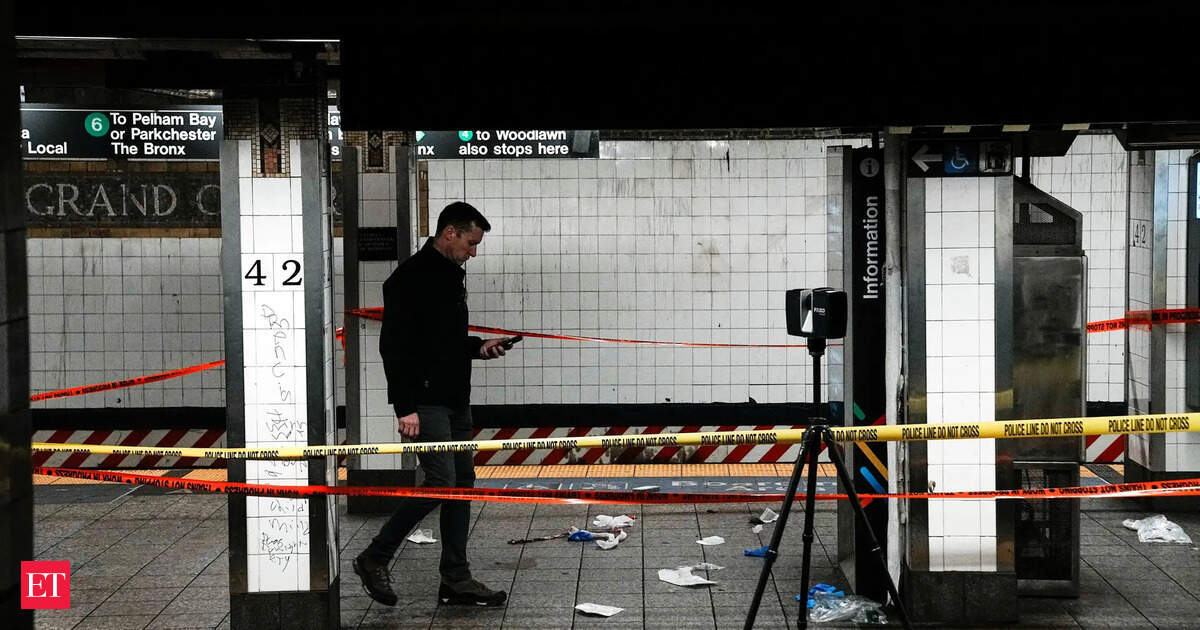
Three individuals injured in a subway platform attack. Investors should monitor ridership data and potential shifts in municipal transit security spending.
Continue with
Chaos at New York’s Transit Hub
New York City’s transit infrastructure faced a significant security breach today as a violent altercation unfolded within the confines of Grand Central Terminal. A man brandishing a machete launched a targeted assault on commuters, leaving three individuals injured before he was neutralized by responding officers from the New York Police Department (NYPD). The incident, which occurred on a subway platform, has reignited concerns regarding public safety within the city's massive transit network.
The Sequence of Events
According to preliminary reports from law enforcement, the suspect initiated the attack on a subway platform, rapidly escalating the situation before authorities could intervene. The violence resulted in three victims sustaining injuries; their current conditions remain a focal point for city officials and emergency responders. The threat was curtailed when NYPD officers engaged the suspect, resulting in the individual being shot. The scene was quickly secured by law enforcement, though the incident caused significant disruption to subway operations during the immediate aftermath of the police response.
Contextualizing Transit Security
For investors and market participants who track urban economic health, the safety of the New York City transit system is a critical bellwether. The Metropolitan Transportation Authority (MTA) operates the largest transit system in the United States, and its reliability—both in terms of efficiency and passenger safety—is intrinsically linked to the economic vitality of the New York metropolitan area.
Historically, high-profile incidents within major transit hubs like Grand Central or Penn Station tend to trigger localized volatility in sentiment regarding urban recovery. Following periods of post-pandemic normalization, the focus of municipal authorities has been to restore total confidence in public transit. Events of this nature are frequently scrutinized by city planners and policy makers for their impact on ridership levels, which remain a primary metric for the fiscal health of the MTA.