Back to Markets
Macro● Neutral

Geopolitical Volatility and the Petrodollar: Why Analysts Remain Skeptical of a Yuan-Based Paradigm Shift

April 11, 2026 at 07:36 PMBy AlphaScalaSource: fortune.com
Geopolitical Volatility and the Petrodollar: Why Analysts Remain Skeptical of a Yuan-Based Paradigm Shift

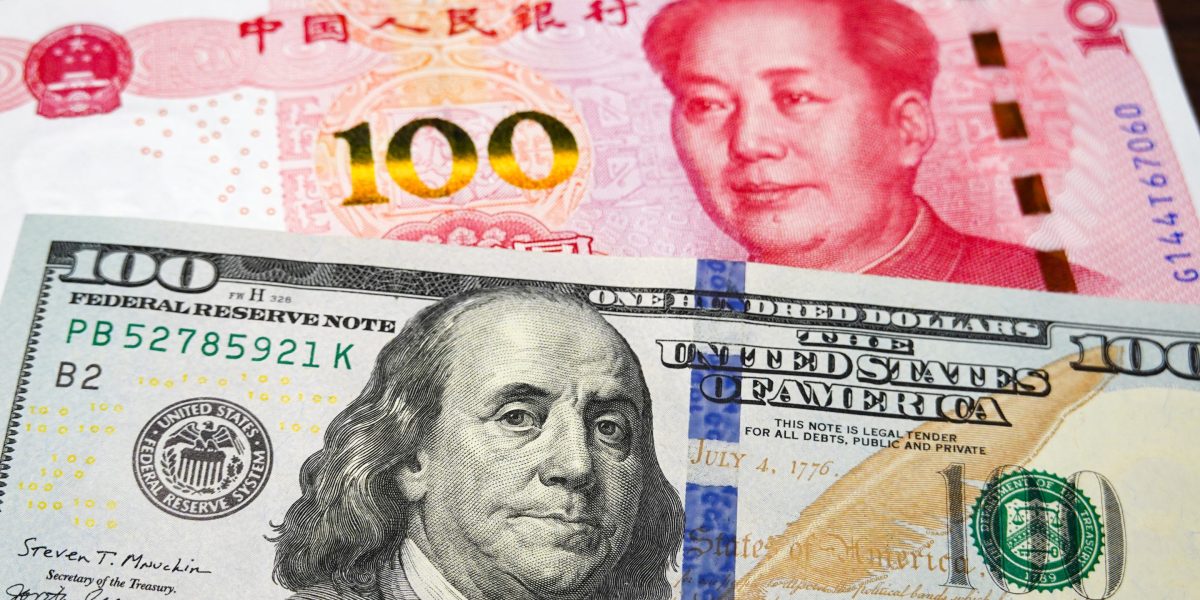
Despite escalating geopolitical tensions and debates over U.S. currency hegemony, analysts argue that a transition to a yuan-based oil market remains unlikely due to structural barriers.

The Erosion of Hegemony: Is the Petrodollar’s Dominance Diminishing?

As geopolitical tensions flare in the Strait of Hormuz—a vital artery for global energy transit—the long-standing hegemony of the U.S. dollar in global oil markets is facing renewed scrutiny. The current administration’s aggressive stance toward Iran, characterized by stringent sanctions and regional brinkmanship, has reignited a perennial debate among macro analysts: are we witnessing the beginning of the end for the petrodollar?

While the weaponization of the dollar through sanctions has undeniably prompted some major oil exporters to explore alternative settlement mechanisms, market consensus suggests that the transition toward a 'petroyuan' remains a distant, if not entirely implausible, prospect. For traders navigating the intersection of energy markets and currency flows, the distinction between symbolic posturing and a structural shift in global trade is critical.

The Strait of Hormuz: A Flashpoint for Currency Policy

Persistent volatility in the Strait of Hormuz—through which approximately 20% of the world's oil consumption passes—serves as a constant reminder of the fragility of energy security. When Washington leverages the dollar’s ubiquity to exert economic pressure on Tehran, the immediate effect is a disruption in trade efficiency. For nations wary of U.S. foreign policy, the incentive to diversify away from the greenback appears logical on the surface.

However, the structural reality of the global financial system remains heavily tilted in favor of the U.S. dollar. Despite the noise surrounding potential de-dollarization, the dollar remains the world’s primary reserve currency, backed by the deep liquidity of U.S. Treasury markets and the transparency of American financial institutions. The yuan, by contrast, suffers from capital controls and a lack of the institutional trust required to anchor global commodity pricing.

Why 'Petroyuan' Remains a Far-Fetched Alternative

Market strategists are increasingly pushing back against the narrative that a shift toward a Chinese yuan-denominated oil market is imminent. According to leading industry analysts, while China is the world's largest importer of oil, the infrastructure required to support a petroyuan—namely, a fully convertible currency and a transparent, open bond market—is currently non-existent.

“The idea of a petroyuan is largely far-fetched in the current environment,” noted one prominent strategist, highlighting that oil-exporting nations prefer the stability and global acceptance of the dollar. The sheer inertia of the current system acts as a massive barrier to entry for any competitor. Even if Riyadh or other OPEC+ members were to experiment with yuan-based settlements for a fraction of their exports, the vast majority of their sovereign wealth and international trade remains pegged to the dollar to ensure liquidity and preserve value.

Market Implications: What Traders Should Watch

For investors and institutional traders, the rhetoric surrounding the petrodollar often serves as a barometer for broader geopolitical risk rather than a signal of a looming currency collapse. The real risk is not a sudden pivot to the yuan, but rather a gradual fragmentation of trade blocs.

Traders should monitor the following indicators:

  • OPEC+ Rhetoric: Watch for shifts in official statements regarding settlement currencies, but focus on the actual transaction volume rather than headlines.
  • Treasury Yield Volatility: As the primary engine of the dollar's value, any sustained loss of appetite for U.S. debt by major oil exporters would be a more credible 'sell' signal for the dollar than any talk of a petroyuan.
  • Sanction Efficacy: The success or failure of U.S. sanctions on energy-exporting nations directly influences the urgency with which those nations seek alternative payment rails.

Forward-Looking Analysis

Looking ahead, the status quo is likely to persist in the near-to-medium term. While the U.S. dollar’s role as a tool of foreign policy creates friction, it also reinforces its status as the 'least-bad' option in a world of volatile alternatives. Until China demonstrates a willingness to relinquish control over its currency and open its capital accounts, the petrodollar will likely remain the bedrock of the global energy trade. Traders should refrain from overreacting to geopolitical headlines unless they are accompanied by a tangible shift in central bank reserve allocations or a structural change in commodity exchange mechanisms.