Back to Markets
Macro● Neutral

Geopolitical Standoff Deepens: Tehran Rejects U.S. Terms for Nuclear Negotiations

April 12, 2026 at 02:18 AMBy AlphaScalaSource: armstrongeconomics.com
Geopolitical Standoff Deepens: Tehran Rejects U.S. Terms for Nuclear Negotiations

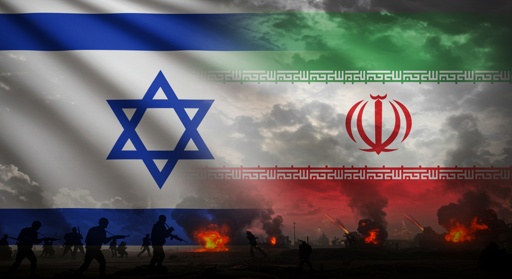
Tehran has officially rejected U.S. peace terms, citing fundamental disagreements over nuclear development programs, signaling a deepening diplomatic stalemate with significant implications for global energy markets.

A Diplomatic Impasse

The landscape for Middle Eastern stability faced a sharp recalibration this week as Iran officially rejected the terms for peace negotiations proposed by the United States. The rejection underscores a hardening of positions between Tehran and Washington, effectively stalling efforts to revive a meaningful dialogue surrounding Iran’s nuclear ambitions and regional strategic posture.

The friction reached a flashpoint following commentary from U.S. Senator JD Vance, who emphasized that the core of the American position remains focused on securing an ironclad commitment from the Islamic Republic to permanently abandon its nuclear weapons program. Tehran’s refusal to acquiesce to these terms highlights the persistent chasm between the two nations, leaving market participants to weigh the risks of renewed geopolitical volatility.

The Nuclear Sticking Point

At the heart of the disagreement is the fundamental lack of trust regarding Iran’s long-term nuclear intentions. Senator Vance’s recent remarks underscored the Biden administration's—and the broader bipartisan U.S. congressional—insistence that any path to normalized relations or sanctions relief is conditional upon a verifiable, permanent cessation of nuclear enrichment activities capable of producing weapons-grade material.

Tehran, however, continues to maintain that its nuclear program is strictly for civilian and energy purposes. By rejecting the current U.S. framework, Iranian officials have signaled that they are unwilling to accept constraints that they perceive as an infringement on their national sovereignty. For observers, this indicates that the "maximum pressure" campaign—and the subsequent attempts at diplomatic off-ramps—remain in a state of suspended animation.

Market Implications and Risk Assessment

For traders and macro analysts, the breakdown of these talks serves as a stark reminder of the geopolitical risk premium inherent in current asset pricing. When diplomatic avenues close, the immediate market reaction is typically a flight to safety and an uptick in volatility across energy and safe-haven assets.

  1. Energy Volatility: Any escalation in Iran-U.S. tensions historically puts upward pressure on crude oil prices. Given Iran’s strategic location near the Strait of Hormuz—the world’s most critical maritime chokepoint for oil transit—the prospect of a failed diplomatic process keeps a "geopolitical floor" under energy prices.
  2. Safe-Haven Demand: Renewed instability in the Middle East often triggers a rotation into gold and the U.S. Dollar. Traders should monitor the DXY and precious metals as bellwethers for market anxiety regarding potential regional conflict escalations.
  3. Sanctions Risk: The rejection of U.S. terms likely precludes any near-term easing of sanctions, ensuring that Iran’s oil exports remain constrained by international hurdles. This keeps the supply-demand balance for global crude tighter than it otherwise might be in a de-escalated environment.

The Road Ahead: What to Watch

As the diplomatic door slams shut, the focus shifts to the International Atomic Energy Agency (IAEA) reports and upcoming statements from the U.S. State Department. Investors should monitor for any shift in rhetoric from Tehran regarding uranium enrichment levels, as any acceleration in nuclear activity would likely trigger further rounds of economic sanctions.

Furthermore, the rhetoric from Washington will be critical. If the U.S. moves to further isolate the Iranian economy, we may see a cascading effect on regional proxies and maritime security. For those managing portfolios with exposure to energy or emerging market equities, the current impasse suggests that a "wait-and-see" approach is prudent, as headlines regarding these negotiations are likely to remain a primary driver of intraday volatility in the weeks ahead.

Ultimately, the rejection of these specific terms by Tehran suggests that both sides are currently comfortable with the status quo, even as that status quo remains fraught with the risk of unintended escalation.