The Digital Bottleneck: Accessing TS Inter Results 2026
For thousands of students, educators, and stakeholders across Telangana, the release of the Intermediate (Inter) 1st and 2nd-year results represents a critical data point in the regional academic calendar. The Telangana Board of Intermediate Education (TGBIE) has confirmed that results for the 2026 examination cycle will be officially released today at 11:00 AM IST. However, the anticipated surge in web traffic—a hallmark of high-stakes public data releases—frequently threatens the stability of primary government portals.
As the clock approaches the 11:00 AM threshold, the primary gateway, tgbie.cgg.gov.in, is expected to experience significant latency. Such bottlenecks are common in public sector digital infrastructure, where the simultaneous connection of hundreds of thousands of users can overwhelm server capacity, leading to timeouts or service disruptions.
Diversified Access Points for Real-Time Data
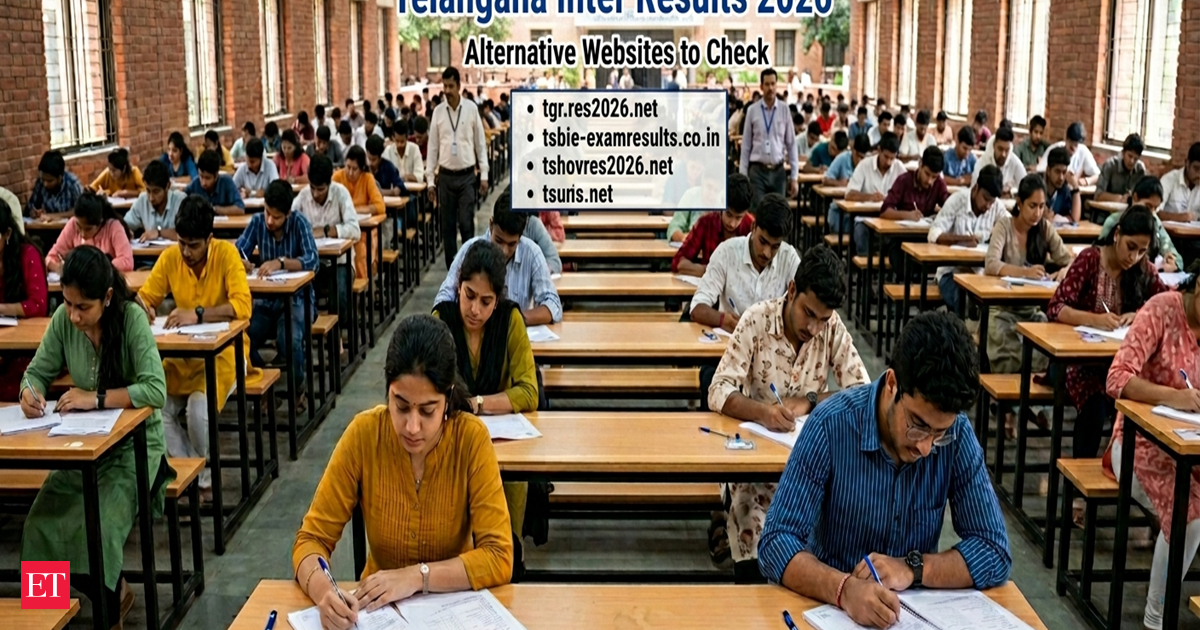
To mitigate the risk of technical failure during peak traffic, the TGBIE has authorized the distribution of scorecards across multiple secondary portals. For stakeholders unable to access the primary TGBIE domain, the board has designated official alternatives to ensure data continuity. These include:
- results.cgg.gov.in: A centralized portal for government result dissemination, often utilized to balance the load from primary departmental sites.
- bse.telangana.gov.in: The official Board of Secondary Education portal, which maintains high-availability architecture for academic data.
These alternative channels serve as a critical fail-safe, ensuring that the flow of information remains uninterrupted despite potential surges in concurrent requests. For those managing time-sensitive inquiries, immediate access to these secondary domains is recommended if the primary interface displays signs of lag or error codes.
Market Context: The Infrastructure Challenge
The reliance on these specific government portals underscores a broader challenge in regional digital governance: the capacity to handle massive, concentrated user spikes. In the context of performance metrics, the stability of these sites is not merely a convenience for students but a benchmark of the state’s digital infrastructure resilience. For institutional observers and parents monitoring the regional education landscape, the ability to successfully navigate these portals during the 11:00 AM launch window is the first step in assessing student performance trends for the 2026 academic year.
What to Watch: Post-Result Data Trends
As the results go live, the focus will shift from accessibility to the data itself. Once the portals stabilize, stakeholders should look for the official pass percentage reports and district-wise performance breakdowns. These metrics often provide insights into the efficacy of regional educational initiatives and the impact of the academic curriculum on student outcomes.
For those attempting to download scorecards, it is advised to have your hall ticket number prepared in advance, as the authentication process across all portals requires precise input. If you encounter a '503 Service Unavailable' or 'Gateway Timeout' error on the primary site, do not repeatedly refresh; instead, pivot immediately to the authorized alternative links listed above to avoid further congestion.