Diplomatic discussions with Beirut follow the directive to stabilize the border. Investors are monitoring energy markets for shifts in regional security.
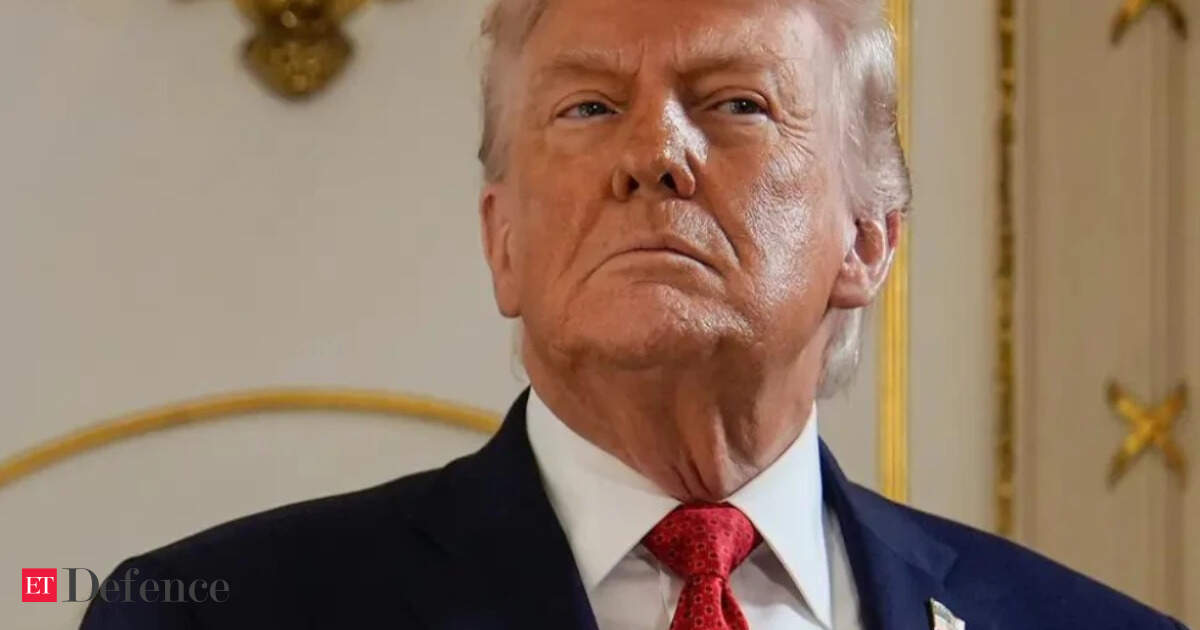
President Donald Trump has announced a formal shift in United States policy regarding the conflict in West Asia, declaring that Israel is prohibited from conducting further airstrikes in Lebanon. This directive aims to de-escalate ongoing hostilities between Israel and Hezbollah. The administration is simultaneously engaging in direct diplomatic discussions with Beirut to address the regional security situation.
The prohibition of airstrikes marks a significant pivot in the tactical landscape of the conflict. By restricting offensive air operations, the administration seeks to stabilize the border region and reduce the risk of broader escalation. The outcome of these diplomatic efforts with Lebanese officials remains a primary factor in the evolving security narrative.
Geopolitical de-escalation often influences energy markets and defense sector valuations. As the administration pursues this policy shift, investors are monitoring how changes in regional military activity affect global supply chains and energy security. For broader stock market analysis, the focus remains on how these diplomatic interventions influence investor sentiment toward companies with high exposure to Middle Eastern operations. The situation remains fluid as the administration coordinates with regional stakeholders to enforce this new policy framework.
Prepared with AlphaScala editorial tooling from the source reporting linked above. Indexable analysis may include a cited Alpha Score value. Publishing checks screen each story before release. Educational coverage, not personalized advice.