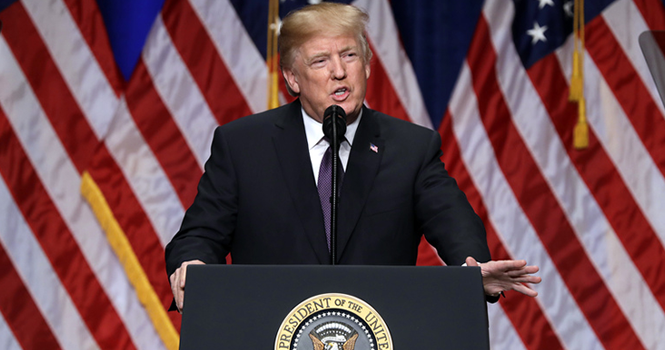
The directive from the White House to prepare for a prolonged blockade on Iran marks a significant escalation in regional economic containment strategy. By shifting from intermittent sanctions to a sustained maritime posture, the administration is signaling a departure from previous diplomatic engagement cycles. This policy pivot aims to tighten the enforcement of existing trade restrictions by targeting the physical flow of goods and energy exports through critical maritime corridors.
Strategic Implications for Global Energy Flows
The move toward a sustained blockade introduces immediate friction into global energy supply chains. Because Iran remains a significant producer within the broader regional energy complex, any disruption to its ability to export crude oil or refined products forces a recalibration of global supply expectations. The primary concern for energy markets is the potential for increased volatility in shipping insurance premiums and the rerouting of tankers, which adds both time and cost to global energy logistics. This policy creates a direct link between regional security developments and the operational costs for companies heavily exposed to international shipping and energy distribution.
Sectoral Read-Through and Market Sensitivity
Industries reliant on stable trade routes face heightened uncertainty as the administration formalizes its blockade preparations. For the technology and consumer sectors, the secondary effects of this geopolitical tension often manifest through increased energy costs and potential supply chain bottlenecks. Investors monitoring the stock market analysis landscape are currently weighing how sustained regional instability impacts the valuation of companies with significant international footprints. While firms like ON Semiconductor Corporation maintain a mixed Alpha Score of 46/100, their exposure to global manufacturing cycles makes them sensitive to any macro-level disruptions that could stem from escalated maritime tensions.
Similarly, companies in the consumer cyclical space, such as Amer Sports, Inc., which currently holds an Alpha Score of 47/100, face risks related to the broader inflationary pressures that often accompany energy supply shocks. The market is now looking for clarity on how the administration intends to manage the enforcement of this blockade without triggering a broader regional conflict. The focus remains on the specific mechanisms of the blockade and whether the policy will include secondary sanctions on third-party nations that continue to facilitate trade with the region.
The Path to Policy Implementation
The next concrete marker for this narrative is the formal issuance of executive orders or maritime directives that define the operational scope of the blockade. Market participants will monitor the response from international maritime authorities and the potential for increased naval presence in the Persian Gulf. Any official communication regarding the duration of these measures or the specific commodities targeted will serve as the primary catalyst for further adjustments in energy pricing and shipping-related equities. The transition from preparatory planning to active enforcement will be the critical phase for determining the long-term impact on global trade stability.