Back to Markets
Macro● Neutral

Geopolitical Volatility Spikes: Putin Offers Mediation Following Stalled US-Iran Nuclear Negotiations

April 12, 2026 at 05:51 PMBy AlphaScalaSource: livemint.com
Geopolitical Volatility Spikes: Putin Offers Mediation Following Stalled US-Iran Nuclear Negotiations
CLXAU/USDDXYSPXDJIIXIC

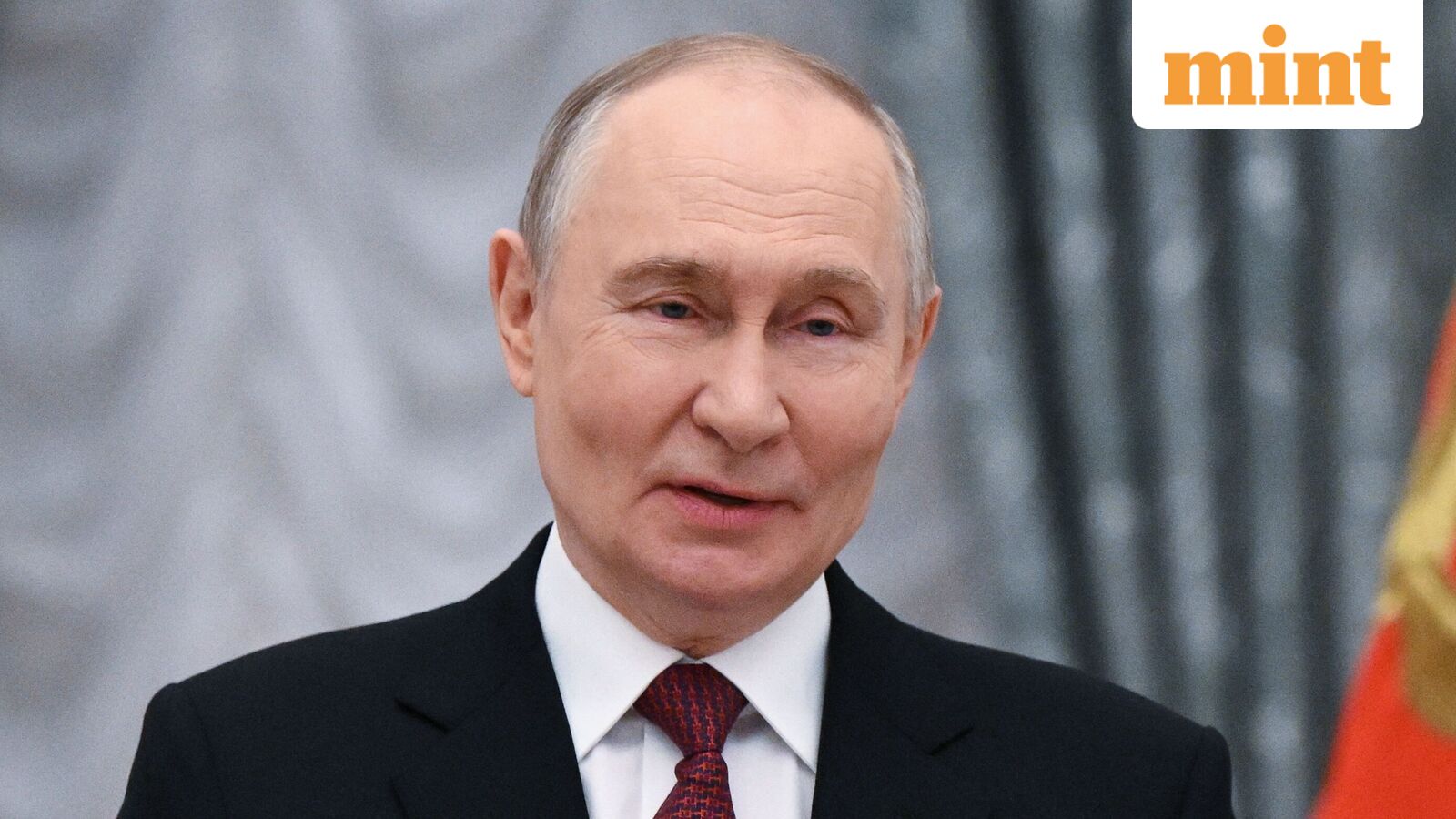
Following the collapse of critical nuclear negotiations between Washington and Tehran, Russian President Vladimir Putin has offered to mediate, introducing new volatility to geopolitical and energy markets.

Escalating Tensions in the Middle East

The delicate geopolitical landscape of the Middle East hit a new inflection point this week as high-level diplomatic efforts between Washington and Tehran reached a definitive impasse. The collapse of these critical talks, which were aimed at cooling decades-long nuclear tensions, has left a power vacuum that Moscow is now moving to fill. According to reports citing the Kremlin, Russian President Vladimir Putin has personally reached out to his Iranian counterpart, offering to serve as a broker for peace in a move that signals a significant shift in the regional balance of power.

For traders and macro analysts, the failure of the US-Iran talks is more than just a diplomatic setback; it represents a tangible risk to global energy markets and regional security. The breakdown in communication underscores a widening chasm between the two nations, with nuclear policy serving as the primary friction point—a stalemate that has persisted despite shifting global alliances.

The Kremlin’s Strategic Pivot

President Putin’s offer to mediate comes at a time when Russia is increasingly positioning itself as a central player in Middle Eastern diplomacy. By stepping into the breach left by the failure of US-led initiatives, Moscow is signaling to the international community that the path to regional stability may no longer run exclusively through Washington. This development is particularly significant given the existing sanctions regime against both nations and the broader implications for the global energy supply chain.

While the Kremlin has provided few details regarding the specific framework of the proposed mediation, the mere suggestion of Russian involvement adds a layer of complexity to an already volatile situation. For market participants, this introduces a new variable: the prospect of a Moscow-Tehran diplomatic axis that could complicate future sanctions enforcement and international trade policy.

Market Implications and Trader Sentiment

Historically, tensions involving Iran have served as a catalyst for significant moves in the energy sector, specifically crude oil. Given Iran’s status as a major player in the global oil market, any sign of escalation or, conversely, a surprise diplomatic breakthrough brokered by a third party, can trigger immediate price swings.

Traders should be monitoring the following areas closely:

  • Energy Markets: Any increase in geopolitical tension typically provides a floor for oil prices. Investors should keep an eye on crude oil futures, as the failure of negotiations suggests that the current supply-side constraints, exacerbated by geopolitical risk premiums, are unlikely to dissipate in the near term.
  • Safe-Haven Assets: Heightened uncertainty in the Middle East often leads to a flight to quality. Gold and the U.S. Dollar frequently see increased demand when diplomatic channels between major powers break down, as investors look to hedge against potential regional instability.
  • Geopolitical Risk Premiums: Market participants must recalibrate their exposure to assets sensitive to Middle Eastern instability. The failure of the Washington-Tehran talks implies that the status quo of sanctions and limited market access will likely continue, if not intensify.

Looking Ahead: What to Watch

As the situation develops, the focus will shift to how the White House responds to Putin’s overture. The failure of the U.S.-led talks suggests that the current administration may need to reassess its strategy for containment and diplomacy. Traders should watch for any official statements from the U.S. State Department or the Kremlin regarding the feasibility of these proposed talks.

Furthermore, keep a close watch on regional shipping lanes and energy production data. Markets hate uncertainty, and the current vacuum in diplomatic leadership creates a high-risk environment. With global markets already navigating a complex macroeconomic backdrop of interest rate uncertainty and shifting trade alliances, the involvement of Russia in the Iran nuclear narrative adds a critical layer of geopolitical risk that cannot be ignored.

Asset Profiles