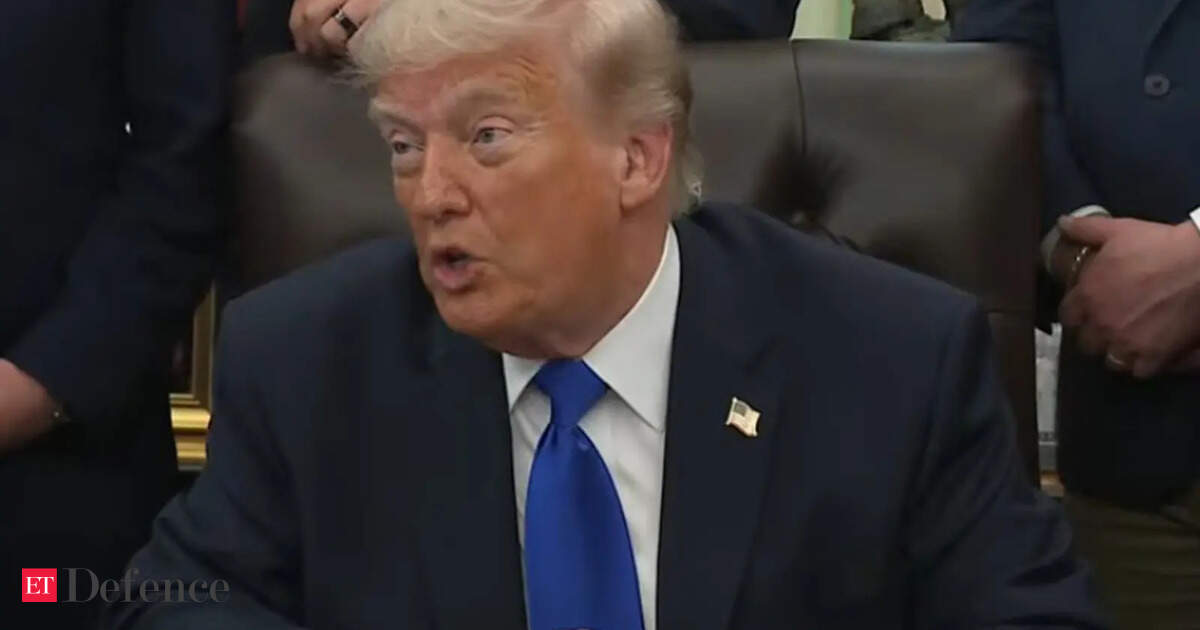
The recent shift in executive rhetoric regarding Iran signals a transition from conventional diplomatic posturing toward a framework defined by specific military operations. By characterizing ongoing tensions as a series of targeted actions rather than a broader state of war, the administration is attempting to decouple regional instability from the broader global energy supply chain. This framing serves to reassure markets that the conflict remains contained, preventing the immediate pricing of a full-scale supply disruption in the Middle East.
Impact on Energy and Defense Sectors
The classification of these events as military operations rather than war carries significant weight for the energy sector. Markets typically price in a war risk premium when regional instability threatens the Strait of Hormuz or major production facilities. By narrowing the scope of the conflict, the administration aims to stabilize crude oil futures and prevent the volatility that often accompanies open-ended military commitments. Defense contractors, however, may see a different reaction as the focus shifts toward sustained, long-term operational support rather than a singular, high-intensity engagement.
This distinction is critical for institutional investors who must balance exposure between energy producers and defense manufacturers. While energy markets react to the immediate threat of supply chain bottlenecks, defense firms often benefit from the steady demand for precision munitions and surveillance technology required for targeted operations. The current narrative suggests a preference for surgical intervention, which minimizes the likelihood of a total regional shutdown while maintaining a constant state of military readiness.
Assessing Risk in Global Markets
Investors are now tasked with evaluating whether this rhetoric effectively mitigates the risk of escalation or merely delays a more severe confrontation. The market reaction to such statements is often bifurcated, with equity indices showing resilience while safe-haven assets like gold and government bonds experience periodic spikes. This behavior indicates that while the immediate narrative is one of containment, the underlying uncertainty remains a primary driver of asset allocation.
AlphaScala data currently reflects a cautious environment for broader market participants. For instance, companies like ServiceNow Inc. maintain a Mixed Alpha Score of 51/100, reflecting the broader tech sector's sensitivity to macroeconomic stability. Similarly, AT&T Inc. holds a Moderate Alpha Score of 56/100, as communication services often serve as a defensive anchor during periods of geopolitical uncertainty. Amer Sports, Inc. remains at a 47/100, highlighting the varied impact of global sentiment on consumer-facing entities.
The next concrete marker for this narrative will be the formalization of these military operations in upcoming defense budget filings and the subsequent response from regional stakeholders. Any deviation from the current strategy of targeted engagement toward a more expansive military presence would likely force a rapid repricing of energy risk premiums. Investors should monitor the frequency and scale of these operations, as they will serve as the primary indicators of whether the current containment strategy remains viable or if the risk of a broader conflict is increasing.