Crypto▼ Bearish
Bitcoin Drops Below $71K as Iran Strike Warnings Spark Sell-Off
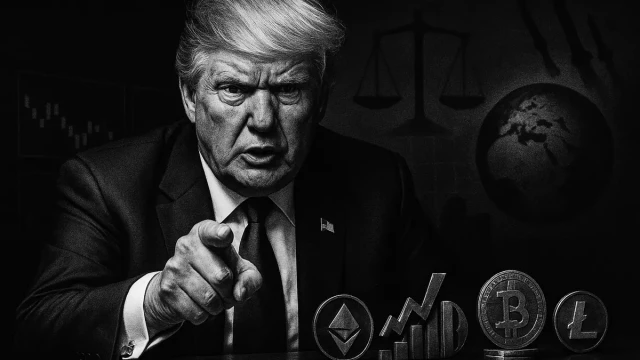
Geopolitical tensions trigger a risk-off rotation, forcing BTC to retreat from key resistance. Watch for potential stop-loss cascades if volatility persists.
Continue with
A Sudden Shift in Risk Appetite
Cryptocurrency markets experienced a sharp volatility spike this week as geopolitical tensions in the Middle East returned to the forefront of investor sentiment. Bitcoin, which had been testing the psychological resistance level near $71,000, saw immediate selling pressure after former President Donald Trump issued a warning regarding potential military strikes on Iran. This headline-driven movement highlights the increasing sensitivity of digital assets to global security developments, a trend that has evolved significantly since the asset class’s inception.
As of the latest market data, Bitcoin has retreated from its recent highs, dragging major altcoins down in sympathy. The immediate reaction in the crypto markets serves as a stark reminder that despite Bitcoin’s growing institutional adoption and its branding as ‘digital gold,’ it remains highly reactive to sudden shifts in the global macroeconomic and geopolitical landscape.
The Trump Factor and Middle East Tensions
The catalyst for the recent sell-off was a public warning from Donald Trump regarding potential U.S. military action against Iran. While the geopolitical situation in the region is complex and long-standing, the market’s reaction underscores the sensitivity of traders to any rhetoric that suggests an escalation of conflict. For crypto traders, the news acted as a trigger for a broader ‘risk-off’ rotation, as capital sought the safety of traditional havens or moved to the sidelines to await further clarity.
Historically, crypto assets have shown a mixed correlation with geopolitical crises. While proponents argue that decentralized assets should act as a hedge against state-level instability, the high-beta nature of the crypto market often leads to immediate liquidation when uncertainty peaks. Investors are currently pricing in a risk premium, fearing that a wider conflict could disrupt global supply chains and influence energy prices, which in turn would complicate the Federal Reserve’s inflation-fighting mandate.