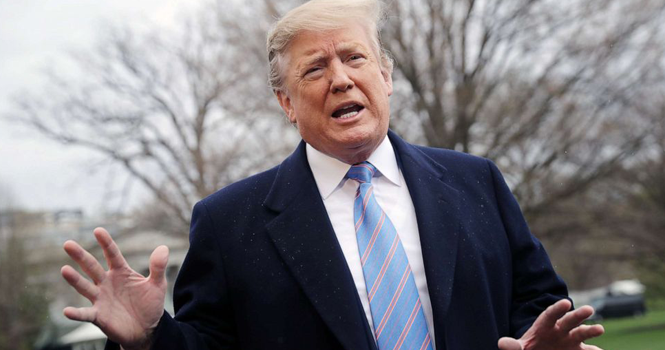
The diplomatic narrative regarding the Strait of Hormuz shifted this week as reports emerged that President Trump expressed dissatisfaction with Iran’s latest proposal to reopen the critical shipping lane and conclude ongoing hostilities. This rejection signals a hardening of the current geopolitical stance, effectively stalling momentum toward a de-escalation of tensions in the region. For global markets, the Strait of Hormuz remains a primary chokepoint for energy transit, and the failure of this proposal keeps the risk premium on energy-related assets elevated.
Strategic Implications for Energy and Logistics
The Strait of Hormuz serves as a vital artery for global oil supply, and any uncertainty regarding its operational status directly impacts shipping costs and energy futures. When diplomatic channels fail to produce a resolution, the market must account for a prolonged period of restricted transit or increased naval presence. This environment often forces logistical firms and energy producers to adjust their risk models, as the potential for sudden supply disruptions remains a persistent variable in their operational planning.
Investors monitoring the impact of these geopolitical strains often look toward companies with high exposure to consumer and media sectors, where sentiment can shift rapidly based on broader economic stability. For instance, companies like New York Times Co (NYT) and Hasbro, Inc. (HAS) operate in sectors that are sensitive to the inflationary pressures often triggered by energy price volatility. While NYT currently holds an Alpha Score of 53/100, indicating a mixed outlook, the broader market remains focused on how such geopolitical developments filter down into consumer spending power and corporate advertising budgets.
Market Sensitivity to Diplomatic Deadlocks
Market participants are currently evaluating the durability of the current supply chain configurations in light of these stalled negotiations. The rejection of the Iranian proposal suggests that the administration is prioritizing a more comprehensive resolution over immediate, partial reopenings. This approach implies that the status quo of heightened regional tension will likely persist into the near term.
- Energy transit security remains the primary focus for institutional risk desks.
- Diplomatic rejection cycles often lead to increased volatility in energy-linked equities.
- Supply chain managers are likely to maintain higher inventory buffers until a formal agreement is reached.
As the situation develops, the focus shifts to the next diplomatic milestone or potential escalation in rhetoric. The market will look for signs of a revised proposal or a shift in the administration's willingness to engage with the current terms. Until a concrete breakthrough occurs, the narrative remains one of caution, with stock market analysis suggesting that energy-sensitive sectors will continue to trade based on the perceived probability of a regional conflict rather than purely fundamental data. The next marker for investors will be any official communication regarding a secondary round of talks or a change in the naval posture within the Strait.