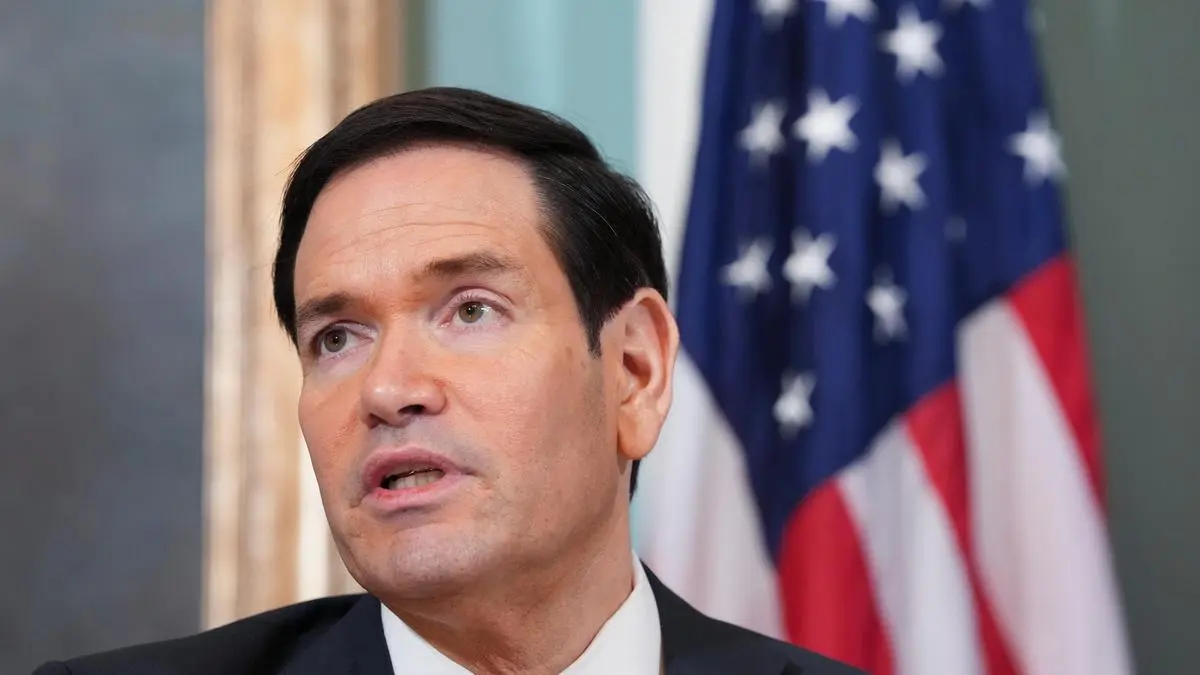
Secretary of State Marco Rubio issued a formal warning on Monday regarding Iran's potential attempts to regulate or impose tolls on vessel traffic moving through the Strait of Hormuz. The administration's stance rejects any unilateral effort by Tehran to control or monetize this maritime chokepoint, citing the necessity of maintaining free and open international waters for global commerce. This declaration marks a significant hardening of the diplomatic narrative concerning one of the world's most critical energy transit routes.
Strategic Chokepoints and Energy Logistics
The Strait of Hormuz serves as the primary conduit for a substantial portion of global oil and liquefied natural gas exports. Any attempt to alter the status quo of transit through these waters introduces immediate uncertainty for energy markets that rely on predictable supply chains. By framing the issue as a non-negotiable matter of international law, the current administration is signaling that it views any interference with commercial shipping as a direct threat to global economic stability. This posture shifts the focus from regional diplomatic maneuvering to a potential confrontation involving maritime security assets.
Energy markets often react to such rhetoric by pricing in a risk premium for crude oil and related commodities. The assertion that the United States will not tolerate normalization of tolls suggests that the government is prepared to deploy naval assets or leverage international coalitions to ensure transit remains unhindered. For investors, the primary concern remains the potential for a sudden escalation that could disrupt tanker traffic, thereby tightening supply at a time when global energy demand remains sensitive to geopolitical shocks.
Sectoral Read-Through and Market Sensitivity
Beyond the immediate impact on energy prices, the rhetoric highlights the vulnerability of global trade routes to regional actors. Companies with heavy reliance on international shipping and those operating within the energy sector are particularly exposed to the volatility generated by these diplomatic standoffs. If the situation escalates, the cost of maritime insurance and freight rates could see rapid adjustments, impacting the margins of firms that depend on consistent access to global markets.
AlphaScala currently tracks ON (ON Semiconductor Corporation) with an Alpha Score of 45/100, reflecting a Mixed sentiment within the broader technology sector. You can find more detailed metrics on the ON stock page to understand how broader market volatility might influence specific industrial components. While the current tension is centered on energy, the resulting uncertainty often bleeds into the broader stock market analysis by affecting investor sentiment toward industrial and energy-dependent equities.
The next concrete marker for this situation will be the response from regional stakeholders and the subsequent deployment patterns of international naval forces in the Gulf. Any reports of increased military drills or formal challenges to commercial vessels in the coming weeks will serve as the primary indicator of whether this diplomatic warning is transitioning into a sustained period of heightened maritime security operations. Investors should monitor official statements from the Department of Defense regarding the status of carrier strike groups in the region, as these movements provide the most accurate gauge of the administration's commitment to enforcing open passage.