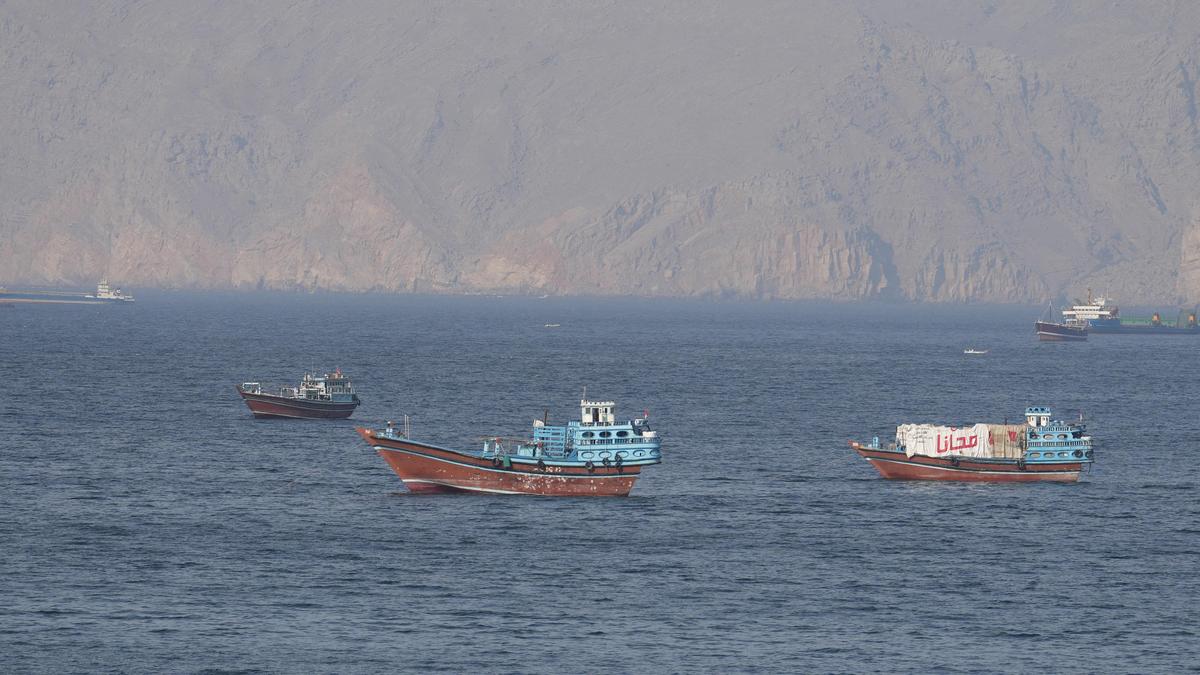
The recent targeting of Indian-flagged vessels in the Strait of Hormuz has introduced a new layer of volatility into global maritime logistics. This development shifts the narrative from routine transit concerns to a direct threat against commercial shipping lanes that serve as a critical artery for energy and commodity flows. The incident forces a reassessment of risk premiums for vessels operating in the region and highlights the vulnerability of trade corridors to localized geopolitical friction.
Impact on Maritime Logistics and Insurance
The immediate consequence of these attacks is a tightening of security protocols for commercial fleets. Shipping operators must now weigh the costs of rerouting against the rising premiums associated with war-risk insurance. When transit safety becomes a variable rather than a constant, the predictability of supply chains diminishes. This creates a ripple effect, as delays in the Strait of Hormuz can lead to inventory bottlenecks in downstream markets that rely on consistent energy and raw material imports.
For companies operating within the global supply chain, the primary concern is the potential for sustained disruption. If the security environment remains unstable, the cost of moving goods through this corridor will likely rise, impacting margins for firms that cannot pass these expenses on to consumers. The situation necessitates a closer look at how regional instability influences the operational efficiency of global logistics providers.
Sector Read-through and Economic Exposure
The uncertainty surrounding the Strait of Hormuz extends beyond the shipping industry. Energy markets are particularly sensitive to any perceived threat to the flow of oil and gas. As trade flows face potential bottlenecks, the broader stock market analysis suggests that investors are increasingly sensitive to how such geopolitical events influence commodity pricing and industrial input costs.
AlphaScala data currently tracks various sectors for exposure to these types of systemic risks. For instance, ON Semiconductor Corporation (ON stock page) holds an Alpha Score of 45/100 with a Mixed label, while Safehold Inc. (SAFE stock page) maintains an Alpha Score of 54/100, also labeled Mixed. These scores reflect the ongoing volatility in the technology and real estate sectors, which can be indirectly impacted by the broader economic shifts triggered by trade disruptions.
Path to Resolution and Monitoring
The next concrete marker for this situation will be the response from regional authorities and the potential implementation of enhanced naval escort protocols. Any formal shift in maritime security policy or a change in insurance coverage terms will serve as the next indicator of whether this disruption is a temporary spike or a structural change in regional trade. Market participants should monitor official updates regarding the safety of the Strait of Hormuz, as these will dictate the near-term trajectory for shipping costs and energy market stability. The resolution of these security concerns remains the primary variable for stabilizing the flow of goods through this critical maritime passage.