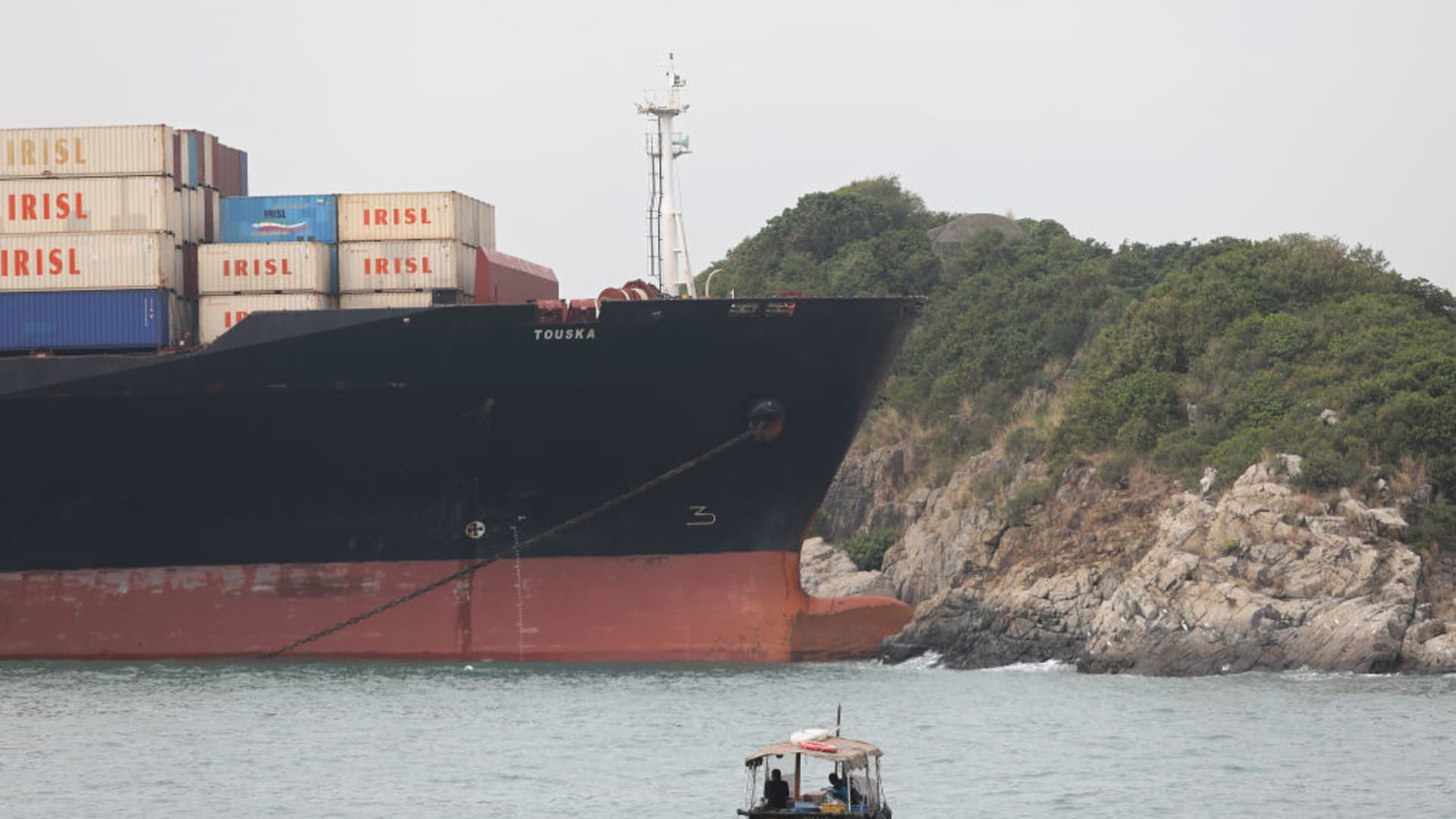
The recent seizure of an Iranian cargo ship by U.S. forces, coupled with reports of vessels coming under fire in the Gulf, has effectively dismantled the fragile ceasefire narrative that had recently stabilized regional shipping lanes. This escalation forces a recalibration of risk premiums for energy and logistics sectors that rely on the Strait of Hormuz for transit. The return of active hostility in these waters threatens to disrupt the flow of crude oil and refined products, injecting volatility into global energy markets that had been pricing in a period of relative calm.
Impact on Energy Logistics and Regional Stability
The immediate consequence of these events is the heightened probability of insurance premium spikes for commercial vessels operating in the region. When maritime security deteriorates, the cost of moving goods through critical chokepoints rises, creating a direct tax on global trade efficiency. For energy-intensive industries, this shift represents a return to the supply chain fragility that characterized much of the previous year. The focus now shifts to whether these incidents remain isolated tactical skirmishes or evolve into a sustained campaign of maritime disruption that forces a rerouting of global tanker traffic.
Sectoral Read-throughs and Market Sensitivity
Investors are currently assessing how these developments influence broader market sentiment, particularly in sectors sensitive to inflationary pressures caused by energy price spikes. While technology firms like those tracked on the U stock page often operate with different risk profiles, the broader stock market analysis suggests that sustained instability in the Gulf acts as a drag on risk appetite. Companies with significant exposure to global logistics or those reliant on stable input costs for manufacturing face the most immediate pressure.
- Increased maritime insurance costs for Gulf-bound vessels.
- Potential for upward pressure on global crude benchmarks.
- Heightened scrutiny of corporate supply chain resilience.
AlphaScala data currently reflects a mixed outlook for several major components of the market. Colgate-Palmolive, currently trading at $85.81, maintains an Alpha Score of 44/100, reflecting the cautious positioning of consumer staples in an uncertain geopolitical environment. As seen on the CL stock page, the company remains a focal point for investors navigating inflationary headwinds. Meanwhile, the healthcare sector, represented by firms like those on the A stock page, continues to show moderate stability with an Alpha Score of 55/100, though it is not immune to the macro-level shocks generated by regional conflicts.
The Path to Market Reassessment
The next concrete marker for this narrative will be the response from regional shipping authorities and the frequency of subsequent vessel interceptions. If the current friction leads to a formal closure of transit lanes or a significant increase in the frequency of attacks, the market will likely move to price in a more permanent risk premium. Investors should monitor upcoming maritime insurance filings and official statements regarding the security status of the Strait of Hormuz, as these will serve as the primary indicators of whether this escalation will be contained or if it will trigger a broader shift in The Acceleration Threshold in Market Cycles.