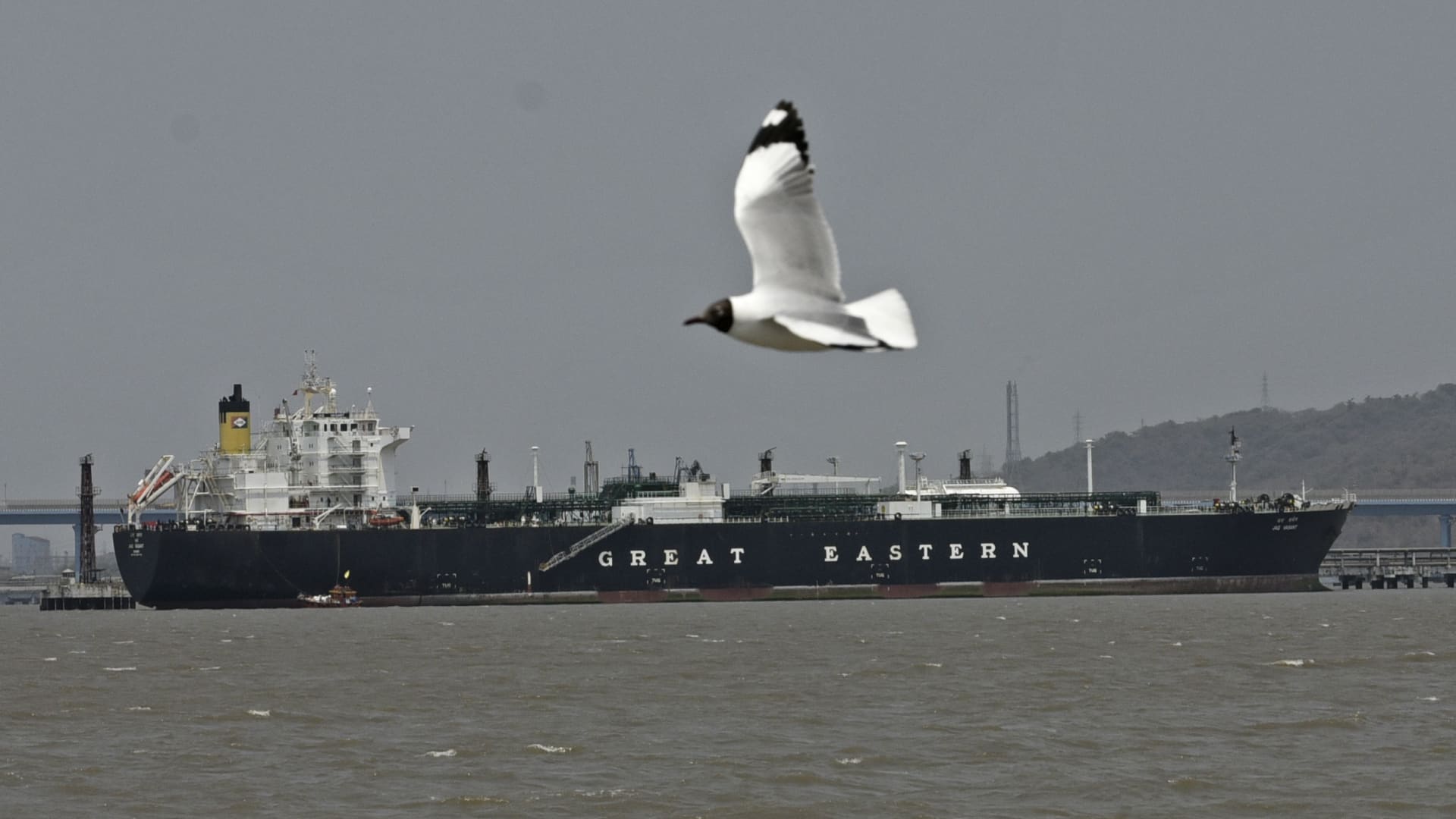
Geopolitical Friction Hits India’s Trade Balance: March Exports Slide 7%

India’s goods exports dropped 7% in March as regional conflicts in Iran disrupted critical trade routes, driving up logistics costs and delaying industrial recovery.
Export Contraction Hits Key Sectors
India’s goods exports fell by 7% in March as the ongoing conflict in Iran disrupted critical trade routes and supply chains. The contraction marks a sharp reversal for domestic exporters who were already navigating high logistics costs and softening global demand.
The decline centers on trade lanes crossing the Red Sea and the Persian Gulf, where insurance premiums and freight rates have spiked. Exporters are now facing extended lead times as vessels bypass traditional routes, effectively locking up working capital in transit for longer durations. For a nation that relies on consistent outbound volume to keep its current account deficit in check, this is a material setback.
Supply Chain Costs and Margin Compression
Beyond simple volume losses, the primary concern for institutional traders is the persistent pressure on producer margins. The cost of shipping has moved higher, and retailers abroad are proving resistant to price hikes, forcing Indian manufacturers to absorb the difference. This compression is impacting sectors ranging from textiles to processed food, where thin margins leave little room for freight volatility.
| Metric | Impact | Expected Duration |
|---|---|---|
| Export Volume | -7% | Short-to-Mid Term |
| Freight Costs | Rising | Prolonged |
| Delivery Lead Times | Delayed | Through Q2/Q3 |
Market Implications and Trade Strategy
Traders tracking emerging market indices should monitor the potential for a widening trade gap. If the export decline persists, it may exert downward pressure on the Rupee and complicate the central bank's ability to maintain a stable currency floor. Persistent weakness in exports often leads to a broader market analysis of domestic manufacturing health, as sentiment shifts away from industrial-heavy equities toward defensive sectors.
"The disruption to the Iranian corridor is not a temporary anomaly but a fundamental shift in logistics costs that will drag on recovery metrics for the coming months."
Investors should pay close attention to the following indicators:
- Freight Index Volatility: Watch for sustained spikes in dry bulk shipping rates.
- Export-Import Bank Data: Look for revisions in credit facility utilization as companies struggle with delayed payments.
- Energy Costs: Since India is a net importer of energy, any further escalation in the region could impact the crude oil profile, creating a double-hit to the balance of trade.
What to Watch Next
Watch for the next set of trade figures to see if the 7% decline is a localized dip or the start of a trend. If export volume does not recover in the coming quarter, expect increased volatility in the Nifty 50 and related domestic proxies. The market will likely price in a slower recovery for manufacturing-weighted indices until clear signs of route normalization emerge.
AI-drafted from named primary sources (exchange feeds, SEC filings, named news wires) and reviewed against AlphaScala editorial standards. Every price, earnings figure, and quote traces to a specific source.