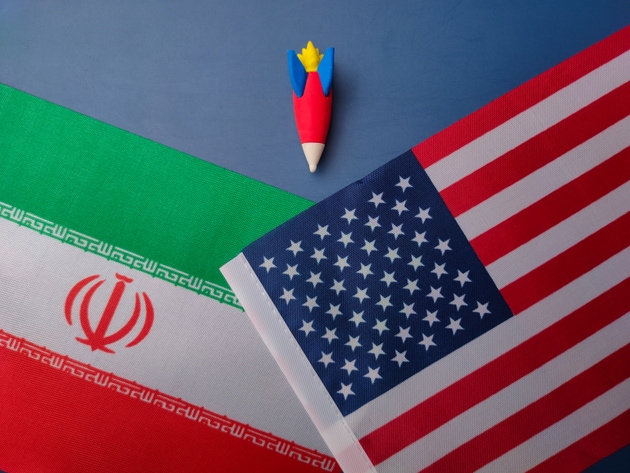
The probability of a diplomatic breakthrough between the United States and Iran before the end of May has contracted following the decision to bypass scheduled talks in Pakistan. The absence of U.S. envoys at the regional summit signals a cooling of the immediate negotiation window, effectively stalling the momentum that had previously supported expectations for a de-escalation event.
Diplomatic Stagnation and Regional Stability
The decision to skip the Pakistan-based engagement removes a primary venue for back-channel communication. This shift in strategy suggests that the current diplomatic framework is prioritizing containment over active reconciliation. For regional markets, the lack of a clear path toward a peace deal increases the risk premium associated with energy supply chains and maritime security in the Middle East.
Investors are now recalibrating their exposure to assets sensitive to geopolitical volatility. The pivot away from direct negotiation suggests that the status quo will persist through the second quarter, forcing a reliance on existing containment policies rather than a shift toward normalization. This development impacts the broader stock market analysis as participants account for the potential of sustained regional friction.
Sectoral Read-Throughs and Asset Sensitivity
The technology sector remains sensitive to these shifts, particularly as global supply chains face potential disruptions from regional instability. Current AlphaScala data reflects the cautious sentiment across the sector:
- Unity Software Inc. (U stock page) holds an Alpha Score of 43/100.
- ON Semiconductor Corporation (ON stock page) holds an Alpha Score of 45/100.
- Amer Sports, Inc. (AS stock page) holds an Alpha Score of 47/100.
These scores indicate a mixed outlook, reflecting broader uncertainty in the technology and consumer cyclical sectors. While these companies are not directly tied to the diplomatic process, their valuation profiles are influenced by the macroeconomic stability that such a peace deal would have theoretically bolstered. The lack of progress in diplomatic channels serves as a reminder that geopolitical risk remains a primary variable for capital allocation in the current environment.
The Path to Future Engagement
The next concrete marker for this narrative will be the announcement of any alternative diplomatic forums or the formal rescheduling of bilateral discussions. Without a new venue for engagement, the market will likely treat the current stalemate as the baseline for the remainder of the spring. The absence of a clear diplomatic roadmap leaves little room for a positive surprise in the near term, shifting the focus toward how regional actors manage existing tensions in the absence of a formal agreement.
Participants should monitor upcoming policy statements from the State Department for any indication of a revised strategy regarding regional mediation. Any shift in the deployment of envoys to neutral territory will serve as the primary indicator that the diplomatic window has reopened. Until such a signal appears, the current cooling of relations remains the dominant factor in the geopolitical risk assessment.