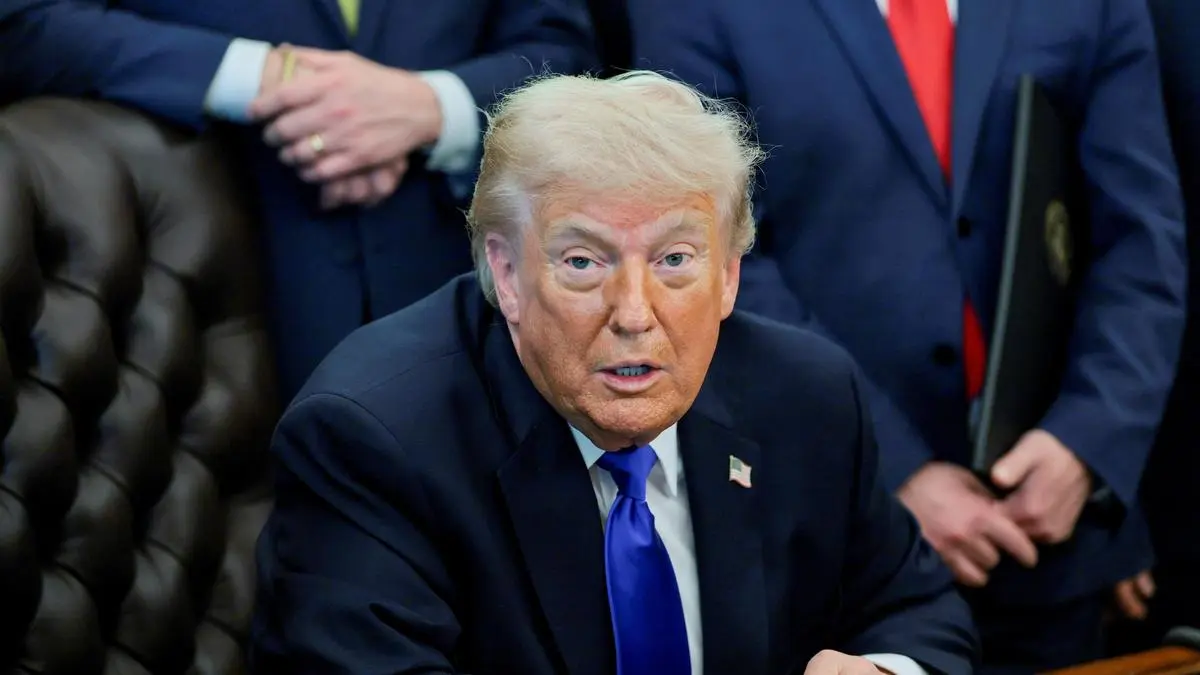
Former President Donald Trump recently asserted that prior United States actions successfully halted executions within Iran and significantly degraded the operational capacity of the Iranian military. These claims arrive as regional tensions intensify, centered on Iran's nuclear development programs and the strategic control of the Strait of Hormuz. For global markets, the rhetoric underscores the persistent risk premium associated with energy transit corridors and the potential for sudden shifts in Middle Eastern policy.
The Strait of Hormuz as a Liquidity Constraint
The Strait of Hormuz remains a critical chokepoint for global oil supply. Any escalation in rhetoric regarding military readiness or regional influence directly impacts the risk assessment for energy-linked equities and broader stock market analysis. When political discourse shifts toward the degradation of a state actor's military, the market must weigh the possibility of a retaliatory response or a change in the enforcement of maritime security. Investors often view these developments through the lens of potential supply chain disruptions rather than immediate tactical outcomes.
Sector Read-Through and Energy Sensitivity
The narrative surrounding Iran's military status creates a dual-track reaction in the energy sector. On one hand, claims of a weakened military posture may suggest a lower probability of immediate, large-scale conflict. On the other hand, the volatility inherent in such statements keeps the price of crude oil sensitive to any news flow originating from the region. Companies with heavy exposure to international shipping or those operating within the energy infrastructure space are particularly susceptible to these shifts in geopolitical sentiment.
- Energy sector volatility often spikes when maritime security is questioned.
- Nuclear policy updates serve as a secondary catalyst for regional risk pricing.
- Military capability claims influence the long-term outlook for regional stability.
AlphaScala Data and Market Positioning
In the context of broader technology and industrial hardware, firms like ON Semiconductor Corporation (ON stock page) continue to navigate a complex global supply environment. AlphaScala currently assigns ON a score of 45/100, reflecting a mixed outlook as the sector balances domestic manufacturing goals against international trade uncertainties. While the current geopolitical discourse focuses on energy and military posture, the underlying pressure on global supply chains remains a primary concern for hardware-intensive sectors.
The Path to Policy Clarity
The next concrete marker for the market will be the official response from international regulatory bodies regarding Iran's nuclear enrichment levels. Investors should monitor upcoming diplomatic briefings and any changes to maritime insurance premiums for vessels traversing the Strait of Hormuz. These data points will provide a more accurate reading of the actual risk environment than political claims alone. The market will look for confirmation of these assertions through the lens of regional stability and the continuity of energy exports in the coming weeks.