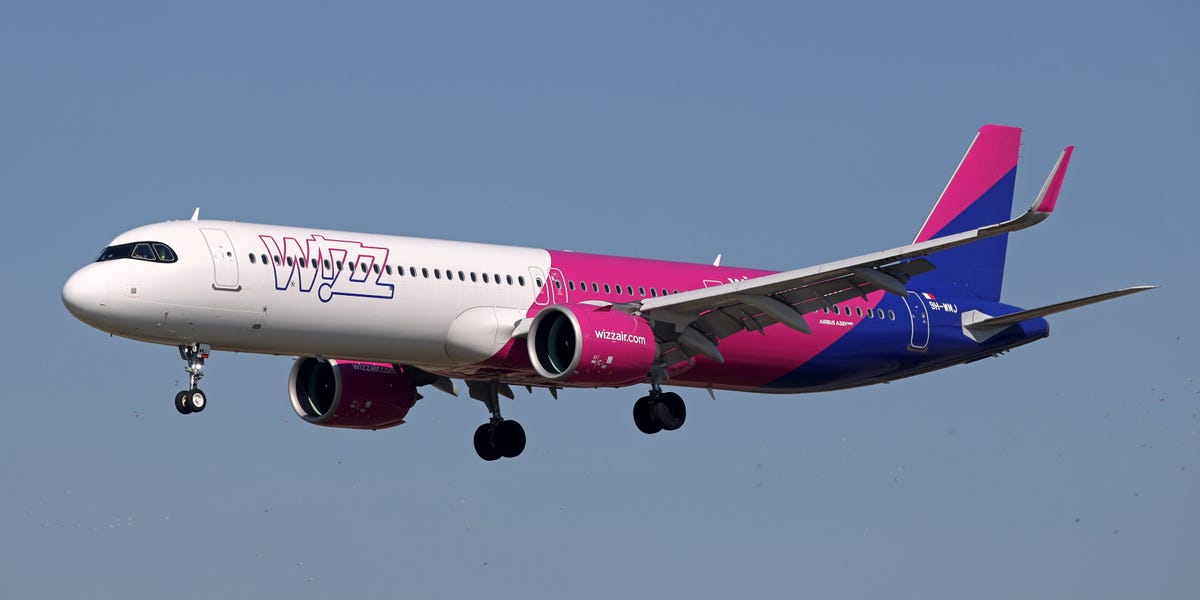
Geopolitical instability in the Middle East is fundamentally shifting the booking behavior of European air travelers. Wizz Air reports that while overall demand for summer travel remains resilient, the traditional window for securing flight reservations has contracted significantly. Passengers are increasingly delaying their purchase decisions, opting to book closer to their departure dates rather than committing months in advance. This shift suggests that travelers are factoring regional conflict into their personal risk assessments before finalizing discretionary spending.
Jet Fuel Supply Chain Stability
Despite the heightened tensions surrounding the conflict in Iran, the aviation sector maintains a stable outlook regarding fuel availability. Wizz Air has explicitly stated that it does not anticipate a shortage of jet fuel across the European market. The current supply chain infrastructure appears robust enough to absorb the localized volatility without triggering a systemic disruption in fuel distribution. This assessment provides a degree of certainty for carriers that rely on predictable fuel costs and consistent supply volumes to maintain their operational margins during the peak summer season.
Behavioral Shifts in Consumer Demand
The trend toward late-stage booking creates a unique set of operational challenges for airlines. When consumers wait to book, carriers lose the ability to forecast capacity requirements with the same precision they enjoyed during more stable periods. This compression of the booking curve forces airlines to manage inventory more dynamically, often leading to increased price volatility as the departure date approaches. While the appetite for travel remains high, the uncertainty surrounding the geopolitical climate acts as a psychological barrier that prevents the early commitment of capital from the consumer side.
- Travelers are delaying booking decisions due to regional conflict.
- Demand for summer travel remains strong despite the shift in timing.
- Jet fuel supply chains in Europe remain unaffected by current geopolitical risks.
AlphaScala data currently tracks various sectors for shifts in consumer sentiment and operational resilience. For instance, T stock page holds an Alpha Score of 57/100 with a Moderate label, while BKNG stock page carries an Alpha Score of 54/100 with a Mixed label. These scores reflect how different segments of the consumer discretionary and communication services sectors are navigating current macroeconomic headwinds.
For those monitoring the broader energy landscape, further commodities analysis provides context on how regional conflicts influence global resource pricing. The next concrete marker for this trend will be the release of quarterly capacity utilization reports and forward-looking guidance from major European carriers. These filings will reveal whether the late-booking trend is a temporary reaction to headlines or a sustained change in how European households manage their travel budgets during periods of geopolitical uncertainty. Investors should watch for updates on load factors and average ticket prices in the upcoming earnings cycle to determine if airlines can maintain profitability despite the compressed booking windows.