Macro● Neutral
Trump Orders Strait of Hormuz Blockade: Global Energy Risk Spikes
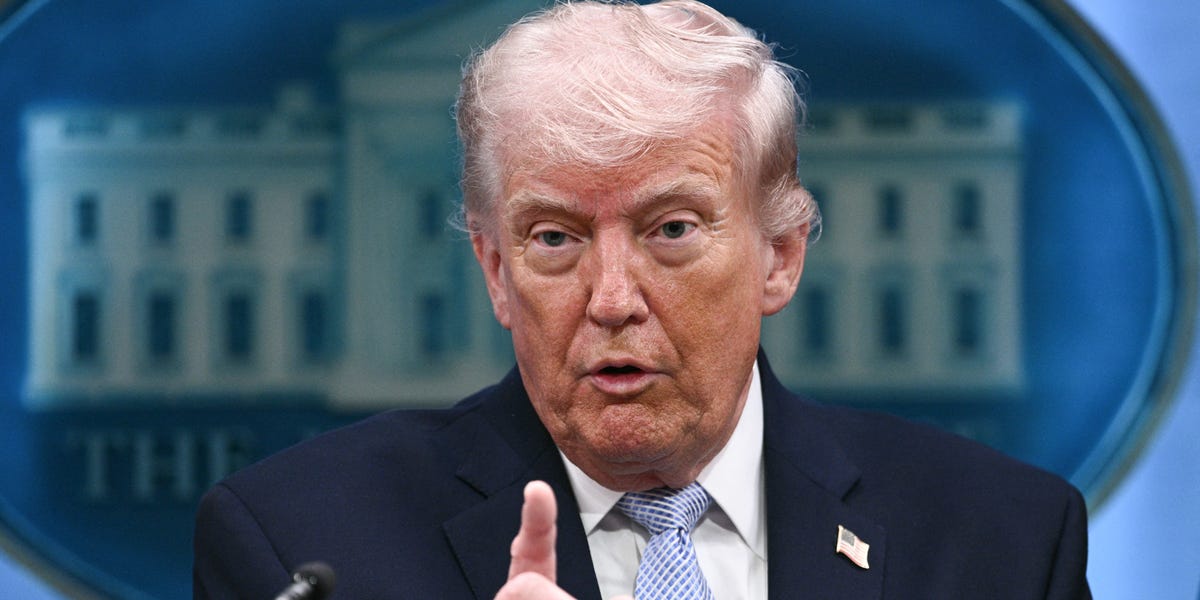
The U.S. Navy move threatens 20% of global petroleum supply, triggering a flight to safety as energy costs and inflation expectations surge for investors.
Continue with
Escalation in the Persian Gulf
In a dramatic pivot that has sent shockwaves through global energy markets, President Donald Trump announced today that the United States Navy is initiating a blockade of the Strait of Hormuz, effective immediately. The move follows the definitive collapse of diplomatic negotiations between Washington and Tehran, marking a significant escalation in tensions that have simmered in the region for months.
The Strait of Hormuz, a narrow waterway separating Oman and Iran, serves as the world’s most critical maritime energy chokepoint. According to data from the U.S. Energy Information Administration (EIA), approximately 20% of the world’s total petroleum consumption passes through this corridor daily. By effectively closing this artery, the administration is signaling a shift from economic sanctions to active military containment.
Market Volatility and Energy Security
For traders and macro analysts, the immediate impact is a sharp recalibration of risk premiums in the commodities sector. Energy markets, which had already priced in a degree of geopolitical friction, are now facing the prospect of a complete supply chain rupture. Historically, any disruption to the flow of crude through the Strait of Hormuz has resulted in immediate, often violent, spikes in oil futures as market participants scramble to account for a potential shortfall in global supply.
“The closure of the Strait is not merely a regional military maneuver; it is a global economic event,” noted one market strategist. “When you restrict one-fifth of the world’s oil supply, you aren't just looking at a price adjustment—you are looking at a fundamental shift in the global energy balance.”