Geopolitical Fragility Meets Inflationary Pressure: Why Market Optimism May Be Premature

Despite a brief rally driven by a fragile ceasefire, persistent inflation and supply chain disruptions in the Strait of Hormuz signal potential stagflationary risks that may undermine current market gains.
The Illusion of Stability
Global equity markets have attempted to shake off recent volatility, staging a rally fueled by the announcement of a fragile ceasefire in the Middle East. While indices responded with immediate gains, the underlying structural risks suggest this relief rally may be a classic bull trap. For institutional traders and portfolio managers, the superficial calm masks a deepening confluence of geopolitical friction and persistent macroeconomic headwinds that threaten to derail the current market trajectory.
The Inflationary Reality Check
Market optimism is currently colliding with the harsh reality of the latest consumer data. March’s Consumer Price Index (CPI) report confirmed a 0.9% surge, a figure that has sent shockwaves through fixed-income markets and recalibrated interest rate expectations. This uptick is not merely a transient blip; it is a signal that inflationary pressures remain embedded in the economy, complicating the Federal Reserve’s path forward and narrowing the window for a soft landing.
Historically, when CPI prints exceed expectations while geopolitical tensions remain unresolved, the risk premium on equities expands rapidly. The persistence of high inflation, combined with the potential for supply-side shocks, has brought the specter of 2026 stagflation back into the conversation. For traders, this implies that the 'buy-the-dip' mentality—so prevalent in the post-pandemic era—is becoming increasingly dangerous as the cost of capital remains stubbornly high and external shocks become more frequent.
The Strait of Hormuz: A Bottleneck for Global Growth
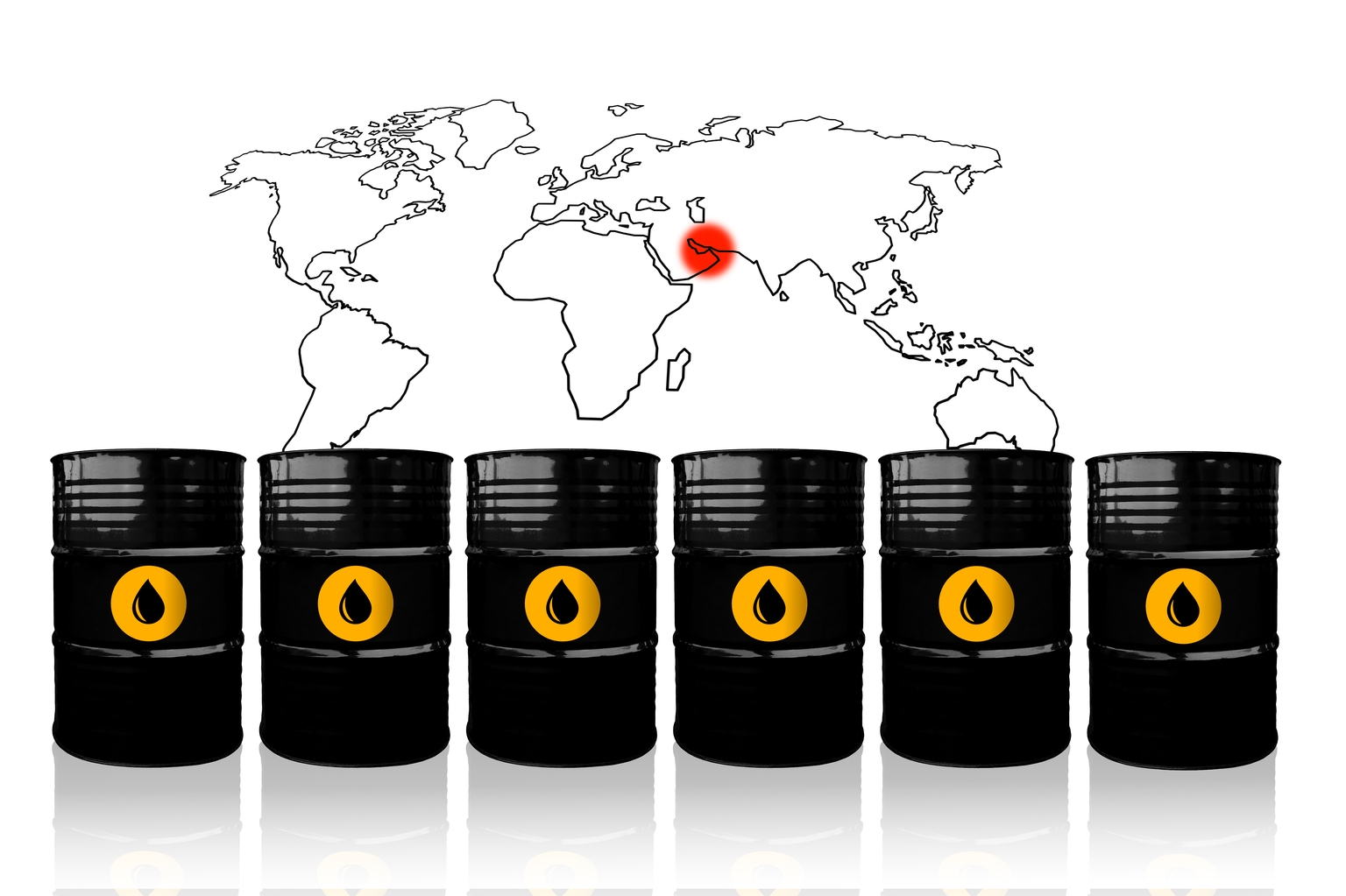
Perhaps the most pressing concern is the status of the Strait of Hormuz. The ongoing blockage of this critical maritime chokepoint represents a significant risk to global trade and energy security. As one of the world's most vital oil transit routes, any prolonged disruption impacts not only the price of crude oil but also the global supply chain, which is already struggling under the weight of heightened geopolitical uncertainty.
When the Strait of Hormuz is compromised, the downstream effects are immediate: increased transportation costs, rising energy prices, and further upward pressure on global inflation. For those monitoring energy commodities, the situation is a clear bellwether for potential supply-side shocks that could negate any cooling effects of high interest rates.
Market Implications: Navigating the Volatility
What does this mean for the professional trader? The current rally, driven by the optimism of a ceasefire, lacks the fundamental backing to sustain a long-term trend. The decoupling of index performance from these macro realities suggests that the market is currently ignoring the tail risks associated with a potential 2026 stagflationary environment.
Investors should be wary of over-leveraging into equity indices at these levels. The combination of a 0.9% CPI print and the systemic risk posed by the Strait of Hormuz necessitates a more defensive posture. Institutional liquidity is likely to rotate toward assets that offer a hedge against both inflation and geopolitical instability, rather than broad-market index trackers.
Looking Ahead: The Catalyst to Watch
The path forward is defined by the durability of the ceasefire and the subsequent monthly inflation prints. If the blockage in the Strait of Hormuz persists, we can expect significant upward volatility in energy prices, which will likely force a revision of current growth forecasts. Traders should monitor the next set of CPI data closely; any failure to see a deceleration would confirm that the inflationary spike is structural, not cyclical. In this environment, patience is the most effective strategy—the current rally is likely a temporary respite rather than a fundamental turning point.