Back to Markets
Macro● Neutral

Florida’s SAVE Act: New Licensing Mandates and the Broader Economic Implications for the Sunshine State

April 12, 2026 at 04:00 PMBy AlphaScalaSource: blackenterprise.com
Florida’s SAVE Act: New Licensing Mandates and the Broader Economic Implications for the Sunshine State

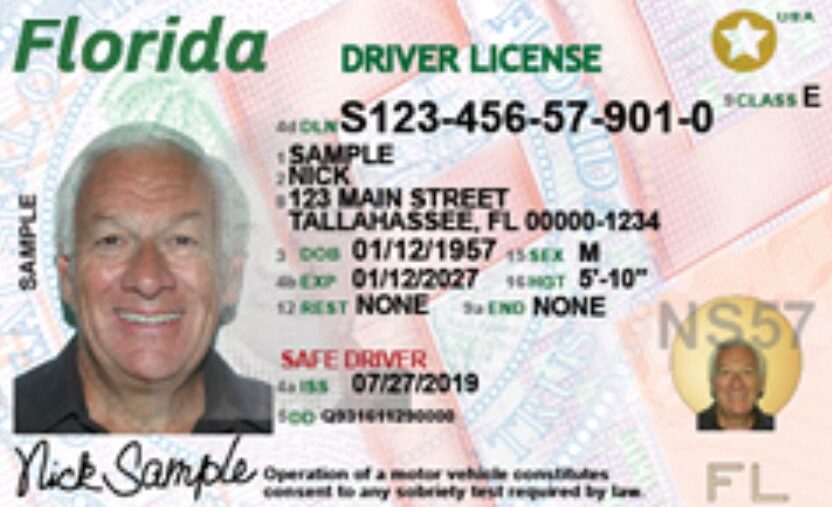
Florida has officially enacted the SAVE Act, mandating that all new and renewed driver’s licenses reflect an individual's citizenship status through federal database verification.

A New Regulatory Framework for Florida Drivers

Florida Governor Ron DeSantis has officially signed the Systematic Alien Verification for Entitlements (SAVE) Act into law, introducing a significant shift in the state’s administrative requirements for motor vehicle operators. Under the new legislation, all applicants for new driver’s licenses, as well as those seeking to renew existing credentials, will be required to provide formal documentation of their citizenship status.

This legislative move marks a tightening of state-level identification protocols, bringing Florida’s Department of Highway Safety and Motor Vehicles (FLHSMV) into closer alignment with federal verification systems. By mandating the integration of citizenship status into the state’s licensing database, the SAVE Act establishes a new layer of administrative rigor for both residents and the state’s regulatory apparatus.

Understanding the SAVE Act Context

The SAVE Act is designed to streamline the verification process by cross-referencing state-issued identification data with federal immigration and citizenship databases. While the primary focus of the bill is administrative efficiency and security, the implications extend to the broader regulatory landscape in Florida.

For years, states have grappled with the nuances of identity verification for non-citizens, particularly regarding access to state services and the issuance of identification documents. The enactment of the SAVE Act signals a shift toward a more centralized, data-driven approach to state-level documentation. This development mirrors a national trend where states are increasingly asserting their authority to define the parameters of legal residency and identification, often creating a patchwork of requirements that businesses and residents must navigate.

Market Implications and Regional Economic Sentiment

For traders and macro-focused investors, legislative shifts in Florida often serve as a bellwether for regional policy trends that can influence business sentiment and labor market dynamics. Florida has been one of the fastest-growing states in the U.S. by population, attracting significant capital investment and corporate relocations from high-tax jurisdictions.

Analysts are watching to see if this new administrative burden will impact the state’s workforce participation or complicate hiring processes for businesses operating in Florida. While the immediate impact is limited to the DMV and licensing procedures, the cumulative effect of increased regulatory scrutiny can influence the ease of doing business. Investors should monitor how these policy changes potentially impact consumer sentiment and the state’s long-term attractiveness for international talent, which remains a key component of Florida’s economic engine.

What to Watch Next: Implementation and Compliance

The immediate focus will be on the FLHSMV’s rollout of the new verification systems. The success of the SAVE Act will depend on the speed and accuracy of the integration between state and federal databases. Any technical friction or administrative bottlenecks during the implementation phase could lead to delays in licensing, which may cause minor ripples in mobility for the workforce.

Furthermore, market participants should remain attentive to potential legal challenges or further amendments as the state works to reconcile these new requirements with existing federal law. As Florida continues to solidify its role as a major economic hub, the intersection of state-level identification policy and business operations will remain a critical area of observation for those with significant exposure to the Southeast U.S. economy.