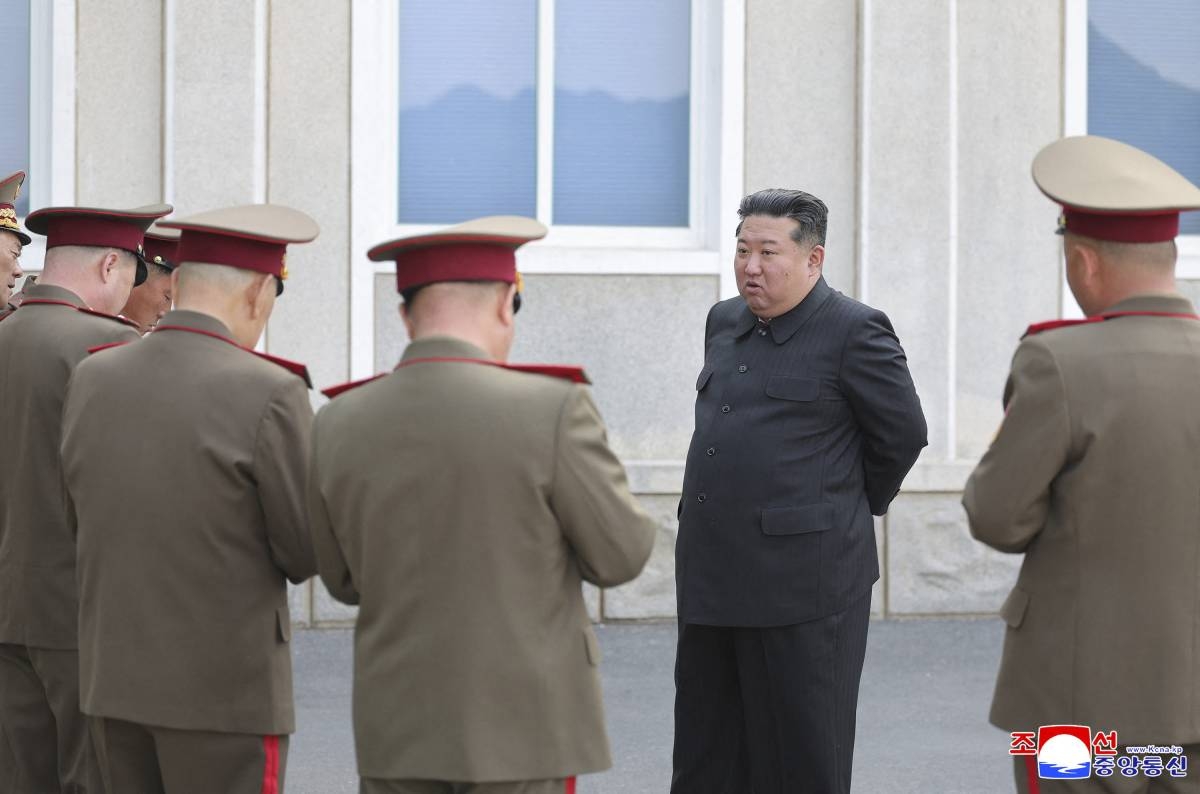
The confirmation from Russia's parliamentary leadership regarding the deployment of North Korean troops to the Kursk region marks a significant shift in the operational landscape of the ongoing conflict. By publicly acknowledging the role of foreign personnel in reclaiming territory, Moscow has effectively signaled a new phase of internationalized military engagement. This development moves beyond previous reports of logistical support or munitions transfers, establishing a direct combat linkage that complicates the strategic outlook for regional stability.
Strategic Realignment and Defense Sector Exposure
The integration of North Korean forces into the Kursk theater introduces a level of geopolitical volatility that extends well beyond the immediate front lines. For global markets, this escalation forces a re-evaluation of defense spending trajectories and the potential for expanded sanctions regimes. Companies with exposure to international supply chains or those operating within the aerospace and defense sectors must now account for a more unpredictable security environment in Eastern Europe. The shift suggests that the conflict is moving toward a more rigid, multi-state alignment, which often leads to increased demand for domestic defense production and heightened scrutiny of cross-border trade.
Market Sensitivity to Escalation Cycles
Investors are currently navigating a landscape where political developments frequently override traditional macroeconomic indicators. The formalization of this military partnership creates a direct link between the security situation in Kursk and the broader appetite for risk in global equities. When military alliances shift toward active combat participation, the immediate impact is often seen in the pricing of energy commodities and the risk premiums applied to industrial sectors. The market reaction to security and political volatility following the WHCD incident provides a relevant framework for understanding how localized geopolitical shocks can ripple through broader indices.
AlphaScala data currently reflects varying levels of stability across sectors, with KIM KIMCO Realty Corp holding an Alpha Score of 55/100, while ON ON Semiconductor Corporation sits at 45/100. These scores highlight the ongoing difficulty in maintaining valuation consistency when external geopolitical variables remain in flux. As the situation in Kursk evolves, the primary marker for market participants will be the response from international governing bodies and the subsequent implementation of trade restrictions. Any further escalation involving third-party military personnel will likely trigger a reassessment of risk exposure for firms with significant international footprints, particularly those reliant on stable trade corridors in the Eurasian region. Monitoring the next official diplomatic statements from major global powers will be essential to determine if this military cooperation remains contained or signals a broader expansion of the conflict theater.