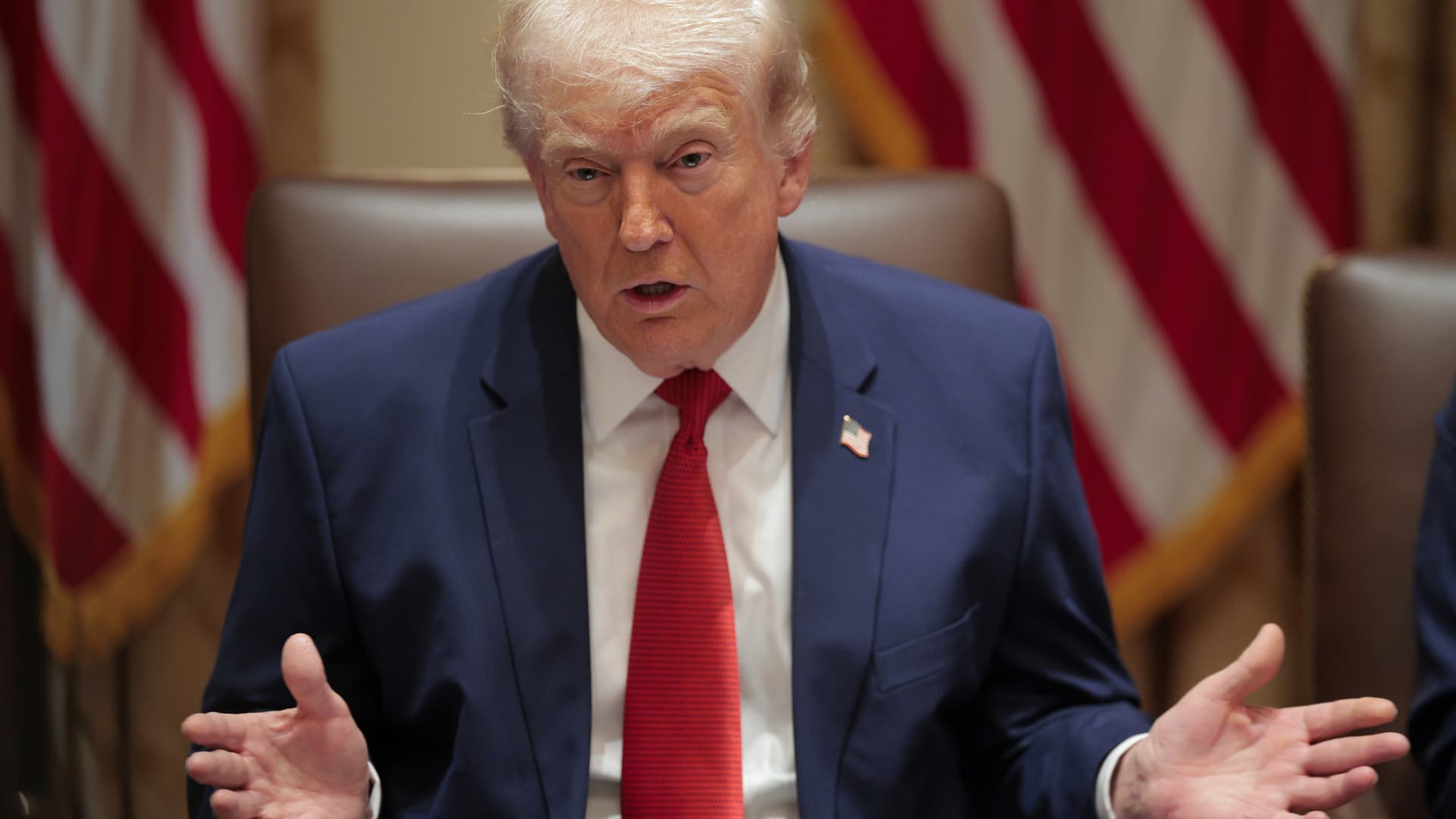
President Donald Trump signaled on Tuesday that the United States is positioned to reach a significant diplomatic resolution with Iran to conclude the ongoing conflict. This statement marks a pivot in the narrative surrounding the war, which has persisted since late February and introduced volatility into global energy and defense sectors. The prospect of a negotiated settlement suggests a potential cooling of regional tensions that have weighed on investor sentiment throughout the current quarter.
Impact on Energy and Defense Valuations
The market has priced in significant risk premiums across energy and defense stocks since the onset of hostilities. A resolution would likely trigger a repricing of crude oil futures, as supply chain stability remains the primary variable for energy producers. Defense contractors, which have benefited from elevated procurement cycles and increased geopolitical spending, face a potential shift in demand as the urgency for immediate military replenishment wanes.
Investors are now evaluating the sustainability of current sector valuations in the event of a rapid ceasefire. The transition from a war-time footing to a diplomatic framework typically forces a rotation out of defensive assets and into sectors that rely on stable global trade routes and lower inflationary pressures. This shift is particularly relevant for companies with high exposure to Middle Eastern logistics and infrastructure projects.
Strategic Realignments in Global Trade
The potential for a deal with Iran creates a new set of variables for multinational corporations operating in the region. Businesses have spent the last several weeks navigating export bottlenecks and insurance premium hikes related to the conflict. A formal agreement would likely facilitate a return to more predictable shipping lanes and lower operational costs for firms managing cross-border supply chains.
AlphaScala data currently reflects a cautious environment for technology and cyclical stocks, with Unity Software (U stock page) holding an Alpha Score of 43/100, ON Semiconductor (ON stock page) at 45/100, and Amer Sports (AS stock page) at 47/100. These scores indicate that while broader market conditions remain mixed, individual equity performance is increasingly sensitive to macro-level shifts in geopolitical stability. As noted in recent stock market analysis, the ability of firms to maintain margins during periods of high geopolitical friction is a primary determinant of their current Alpha Score.
The Path to Diplomatic Resolution
The next concrete marker for the market will be the formalization of any proposed terms between the United States and Iran. Investors should monitor official filings and state-level announcements for specific details regarding sanctions relief or security guarantees. These details will determine whether the current optimism translates into a sustained recovery for energy-sensitive equities or if the market remains in a holding pattern until physical conditions on the ground reflect the diplomatic rhetoric. The speed at which regional trade corridors return to normal operations will serve as the final confirmation of the deal's efficacy.