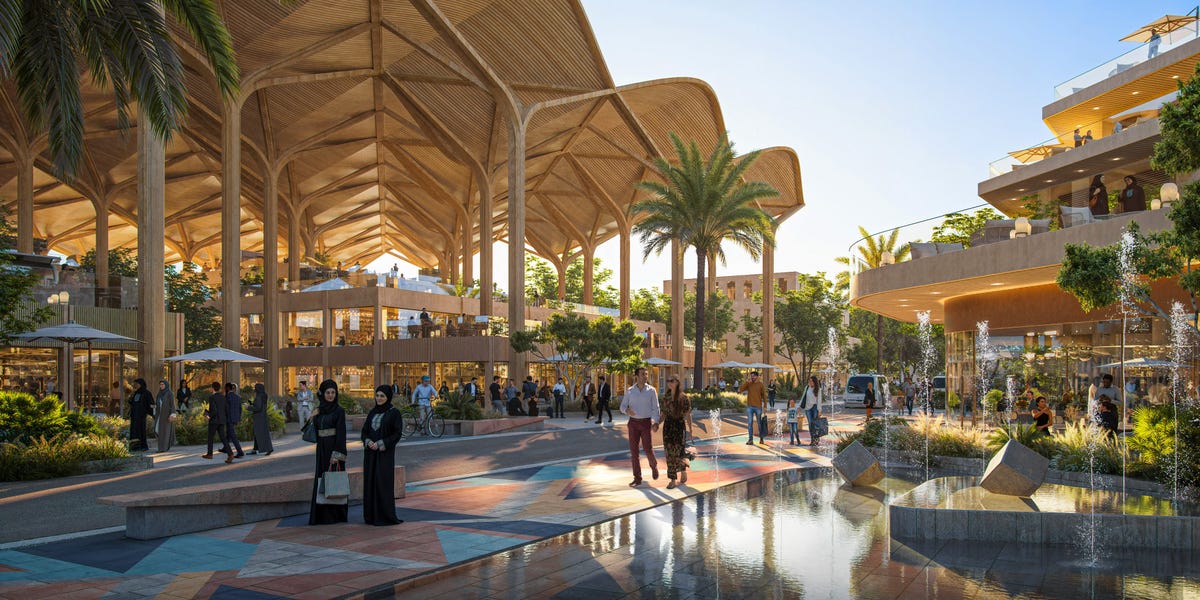
Aedas, one of the largest architecture firms globally by revenue, is rolling out generative AI tools that its design team says is cutting early-stage concept work from weeks to hours.
The firm tested a range of vendor-created generative AI models before integrating several into a custom in-house interface called Aedas AI. The tools handle tasks like massing studies – the initial block-and-volume shaping of a building – and daylight analysis, where the software simulates how sunlight moves through floor plans. Aedas said the AI interface lets architects test more design variations in a fraction of the previous time.
The speed gain matters because the early design phase is where project budgets get set. An extra week spent iterating floorplans can push a developer beyond a financing deadline or inflate pre-construction fees. Aedas said its interface compresses that iteration, which lets clients see options faster and lock in a design direction earlier.
Aedas is not alone. Architecture firms across Asia and the Middle East are quietly building internal AI tools, though most are not public about them. The sector is project-fee based, so faster design cycles do not automatically mean higher revenue – they mean more capacity to take on additional work without adding headcount. For a firm with thousands of architects on payroll, that leverage on fixed costs is the real prize.
The firm declined to share specific time-savings metrics or the names of the vendors whose models it modified. It said the in-house system is now in daily use across its offices in Hong Kong, Shanghai, and Singapore.
Aedas is rolling out the interface to its other regional studios this year. The next phase, the firm said, will incorporate structural-load simulation and energy-code compliance checks, which are currently handled by separate engineering teams.