Genmin (ASX:GEN) has received multiple high-level proposals to fund the US$200 million development of its Baniaka iron ore project in Gabon, the company told shareholders today. The news puts a concrete financing catalyst on the table for a stock that has been waiting for a clear path to a final investment decision (FID). The announcement moves the narrative from exploration and permitting to the tangible question of who will write the cheque and on what terms.
The US$200M Funding Catalyst
The company said it has attracted interest from strategic international investors, financiers, and global commodities traders. Executive chair Greg Lilleyman, CEO Andrew Taplin, and NED John Hodder recently hosted some of those parties on site visits to Baniaka as part of their due diligence. That detail matters. A desk-based expression of interest is cheap. A site visit by a potential funding partner signals a higher level of commitment and a willingness to spend time and money assessing the asset.
Site Visits Signal Serious Due Diligence
Site visits shift the probability of a deal from speculative to plausible. When a commodities trader or a project finance lender sends a team to a remote location in Gabon, they are testing logistics, infrastructure, and the operational reality. Genmin’s disclosure that visits have already occurred suggests the process is advancing beyond the initial screening stage. The market’s simple read is “funding interest is positive.” The better read is that the quality of the counterparty and the depth of their due diligence will determine whether this translates into a binding commitment.
From Non-Binding Interest to Binding Terms
Lilleyman’s language was measured:
“It has been pleasing to receive genuine interest from a number of strategic international investors, financiers and global commodities traders to fund and/or partner with Genmin to develop Baniaka, our flagship project,” Mr Lilleyman said.
He added that the company remains confident it can negotiate and finalise terms with one or more parties, allowing the board to make an FID. The key word is “negotiate.” Non-binding proposals are a starting point. The terms that eventually emerge will determine the cost of capital and the degree of dilution for existing shareholders. A project finance debt package preserves equity upside. A large strategic equity partner may bring operational expertise, however it also dilutes existing holders. The market will need to see the structure before it can price the outcome.
Government Backing and Infrastructure Access
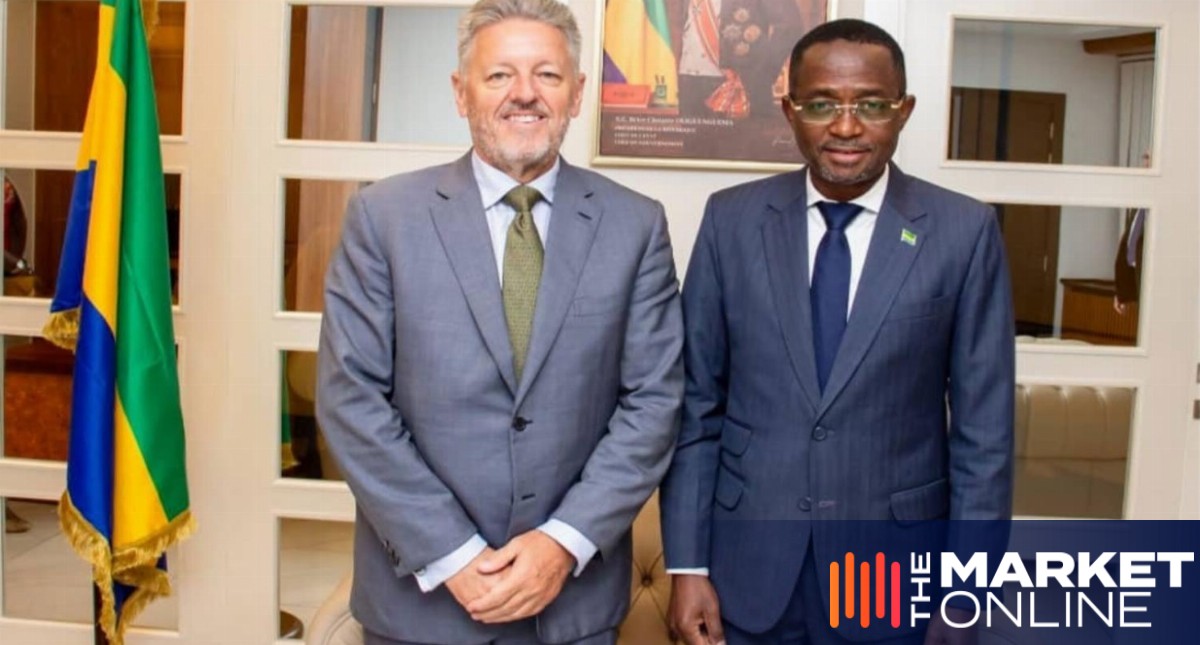
Genmin also reported positive discussions with Gabon officials, including the minister of mines, Sosthène Nguema Nguema. The government has indicated that Baniaka remains its number one priority project for development and is working closely with the company. Lilleyman said the government has shown “overwhelming support” and that cost-effective access to state-owned infrastructure for the phase one development is forthcoming.
Baniaka as Gabon’s Priority Project
Government prioritisation in a frontier jurisdiction is a material de-risking factor. It reduces the probability of permitting delays, arbitrary tax changes, or expropriation risk. When a mines minister publicly backs a project and calls it the country’s top priority, the political risk premium embedded in the stock should compress. The simple read is “government support is good.” The better read is that political capital is being spent on Baniaka, and that capital has a shelf life. The market will watch for concrete legislative or contractual steps that lock in that support before any change in administration or policy.
Infrastructure Access – The Unresolved Piece
Access to state-owned infrastructure is critical for an iron ore project. Rail and port capacity determine the delivered cost per tonne and, by extension, the project’s margin at any given iron ore price. Genmin’s statement that cost-effective access is “forthcoming” is positive, however it is not yet a signed agreement. The market will treat this as a necessary condition for FID. A binding infrastructure access agreement would be a major confirmation signal. Without it, the funding proposals remain contingent.
FID Timeline and Scale-Up Plan
Genmin wants to develop Baniaka at an initial rate of 5 million tonnes per annum (Mtpa), scaling over time to at least 10 Mtpa. The company expects to make a final investment decision on or around mid-CY26. That timeline gives the market a clear window for re-rating, however it also introduces a year of execution risk.
The 5 Mtpa to 10 Mtpa Pathway
The phased approach is sensible. A 5 Mtpa start reduces upfront capital intensity and allows the operation to generate cash flow before the larger expansion. The US$200 million capital requirement likely covers the first phase. If the project can reach 10 Mtpa, unit costs should fall, and the asset becomes more attractive to strategic buyers or offtake partners. The market will value the project on a discounted cash flow basis, and the discount rate will remain elevated until construction actually begins.
Mid-2026 Decision – A Year of Execution Risk
A mid-2026 FID means the stock is unlikely to re-rate fully in the near term. The market will want to see binding term sheets, infrastructure agreements, and a stable iron ore price environment before it prices in a successful development. The next twelve months will be about negotiation milestones. Each incremental announcement – a signed memorandum of understanding, a debt mandate letter, a fixed infrastructure tariff – should reduce the risk premium. The absence of such announcements, or a deterioration in the iron ore price, would weaken the setup.
What Confirms or Weakens the Setup
The funding interest announcement is a catalyst, however it is an early-stage one. The stock’s reaction will depend on what comes next. Below are the signals that would confirm the bullish thesis and the risks that would invalidate it.
Confirmation Signals
- A binding term sheet or mandate letter from a recognised project finance lender or strategic partner
- A signed infrastructure access agreement with the Gabon government specifying tariffs and capacity
- A stable or rising iron ore price environment that supports the project’s economics
- Further site visits by additional potential funders, indicating competitive tension
- Formal government approval of the mining convention or fiscal terms
Invalidation Risks
- A breakdown in negotiations with no binding agreement after several months
- A sharp decline in the benchmark iron ore price that makes the project uneconomic at current cost estimates
- Political instability in Gabon or a change in the government’s prioritisation of Baniaka
- Delays in infrastructure access that push the FID timeline beyond mid-2026
- A funding structure that is heavily dilutive to existing equity holders
Key insight: Non-binding funding interest is a necessary step. The stock’s re-rating depends on binding commitments and a supportive iron ore price environment.
The next concrete marker is the negotiation and finalisation of terms with one or more parties. Genmin has set a mid-2026 FID target. The market will judge the company on its ability to convert genuine interest into signed documents over the coming quarters. For broader commodities context, see AlphaScala’s commodities analysis.