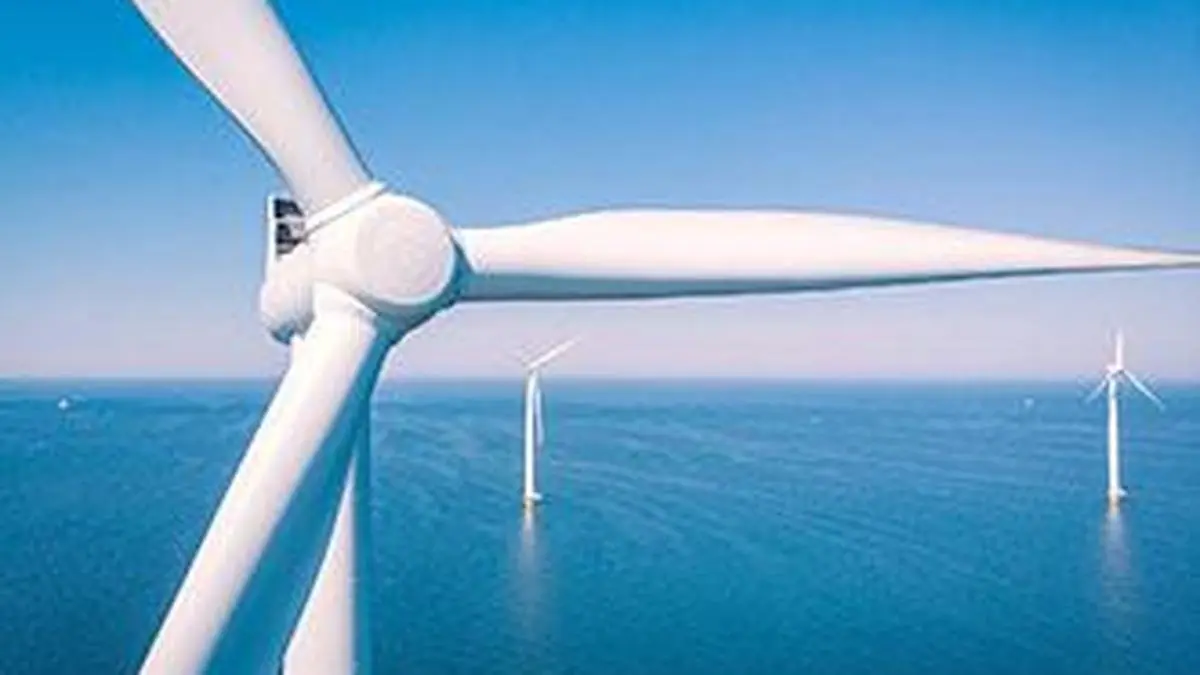
GE Vernova is placing a specific bet on India's wind market: its 3.8-MW-154m turbine, a model that has never operated in the country before. The US-based energy equipment manufacturer signed an agreement with renewable energy company Powerica Ltd to supply 28 of these turbines for the Botad Wind Farm in Gujarat. Deliveries begin in the fourth quarter of 2026, with turbines manufactured at GE Vernova's facility in Pune, Maharashtra.
The deal is not a routine supply contract. It is the first commercial deployment of the 3.8-MW-154m turbine in India, a market where wind turbine original equipment manufacturers (OEMs) must navigate a specific regulatory gate: inclusion on the Approved List of Models and Manufacturers of Wind Turbines (ALMM). GE Vernova confirmed it has received that certification from the Ministry of New and Renewable Energy (MNRE). Without it, the turbine could not participate in any Indian wind project.
Why the 3.8-MW Class Hits a Market Gap
India's wind market has historically operated with smaller turbines (2 MW to 2.5 MW) due to grid infrastructure and logistics constraints. Larger turbines (4 MW and above) reduce the number of units needed per project. They require heavier cranes, wider roads, and stronger grid interconnection points. The 3.8-MW class offers a middle path: higher energy capture per tower without the infrastructure step-change that 4-MW-plus turbines demand.
The Power Purchase Agreement (PPA) Context
Powerica secured the project's power purchase agreement (PPA) through a competitive auction conducted by Gujarat Urja Vikas Nigam Limited (GUVNL). That auction sets the revenue floor for the project. For GE Vernova, the relevant question is whether the PPA tariff leaves enough margin to absorb the costs of a first-time turbine installation in India – including site-specific foundation design, grid compliance testing, and commissioning risk.
Key insight: The PPA tariff from a GUVNL auction is typically fixed for 25 years. If installation costs run over budget, the turbine OEM absorbs the overrun, not the project developer.
Local Manufacturing as a Cost Buffer
GE Vernova will supply the turbines from its Pune facility, which gives it a natural hedge against currency volatility and import duties. Turbines manufactured in India also qualify for domestic content requirements under certain government schemes. The ALMM certification is the binding constraint for market access.
The ALMM Gate: More Than a Checklist
The Approved List of Models and Manufacturers (ALMM) is a mandatory registry for wind turbine models sold in India. It is not a one-time certification. OEMs must demonstrate that each turbine model meets Indian grid code requirements, site-specific wind class standards, and safety norms. The list is periodically updated. Models can be removed if compliance lapses.
What ALMM Changes for a New Entrant
For a turbine model that has never operated in India, ALMM certification requires the OEM to submit design documentation, test results from accredited labs, and sometimes a prototype installation. GE Vernova's certification means the 3.8-MW-154m turbine has cleared that process. The practical consequence: any developer buying this turbine for a future project does not need to wait for separate regulatory approval.
The Risk of Regulatory Changes
The ALMM list is a policy tool that the Ministry of New and Renewable Energy can adjust. If the government tightens domestic content requirements or adds new testing protocols, models already on the list may need re-certification. For GE Vernova, the certification is a necessary condition for market entry. It does not guarantee that the turbine will remain eligible for every future auction.
Botad's First Turbine: The Commissioning Signal
Botad district in Gujarat has wind speeds that typically range between 6 and 7.5 meters per second at hub height – moderate by global standards but workable for modern turbines. The 3.8-MW-154m turbine has a rotor diameter of 154 meters, which gives it a swept area large enough to capture energy at lower wind speeds.
Installation and Commissioning Risk
The first installation of any turbine model in a new market carries execution risk. Foundation design must match local soil conditions. Grid interconnection tests must confirm that the turbine's power electronics comply with Indian grid frequency and voltage standards. GE Vernova's Pune facility can supply spare parts and technical support locally. This shortens the logistics chain compared to importing from the US or Europe.
Practical rule: The first 10 turbines installed at Botad will reveal whether the 3.8-MW model integrates smoothly with Gujarat's grid. Any significant delay in commissioning would signal that the turbine needs site-specific modifications.
What Would Confirm the Setup
- Turbine deliveries begin on schedule in Q4 2026.
- The first turbine achieves grid synchronization within the standard 30-day commissioning window.
- GE Vernova announces follow-on orders for the same turbine model from other Indian developers.
- The turbine's power curve matches or exceeds the guaranteed performance in independent third-party testing.
What Would Weaken the Setup
- Delays in turbine delivery due to supply chain constraints at the Pune facility.
- Grid compliance issues that require software or hardware modifications after installation.
- The PPA tariff proves too low to cover the turbine's installed cost, reducing developer appetite for repeat orders.
- A change in ALMM listing requirements that forces re-certification.
The Competitive Landscape for Wind Turbine OEMs in India
GE Vernova enters a market where Siemens Gamesa, Vestas, and Suzlon already have established supply chains and service networks. Suzlon, in particular, has a strong presence in Gujarat with its 3-MW and 3.15-MW turbines. The 3.8-MW class gives GE Vernova a capacity advantage per turbine. This can lower the number of foundations and electrical connections needed for a given project size.
The 500 GW Renewable Target as a Demand Driver
India has set a target of 500 GW of renewable energy capacity by 2030, with wind expected to contribute roughly 140 GW. Current installed wind capacity is about 44 GW. The gap implies a sustained installation rate of 10-12 GW per year through the decade. For GE Vernova, the Botad project is a toehold. The company's ability to scale from 28 turbines to hundreds will depend on whether the 3.8-MW model delivers reliable performance and whether the Pune factory can ramp production.
The Service Revenue Angle
Wind turbine OEMs typically earn 20-30% of their lifetime revenue from service contracts. GE Vernova's agreement with Powerica likely includes a multi-year operations and maintenance (O&M) contract. Service margins are higher than equipment margins. They provide recurring revenue that smooths out the lumpiness of turbine sales. The Botad project gives GE Vernova a service base in India that it can expand as more turbines are installed.
What a Trader Should Track Next
For a trader watching this setup, the relevant milestones are not the stock price of GE Vernova or Powerica on the announcement day. The stock market has already priced in the news. The actionable signals come later:
- Q4 2026 delivery start: Any pre-delay announcement from GE Vernova or Powerica would be the first negative signal.
- First turbine commissioning report: A successful grid synchronization within the standard timeline would confirm that the turbine works in Indian conditions.
- Follow-on orders: If GE Vernova announces additional Indian orders for the 3.8-MW turbine within 12 months of the Botad installation, it would indicate that developers trust the model.
- ALMM list updates: Any change to the ALMM framework that affects GE Vernova's certification would be a regulatory risk event.
The Botad project is a single data point. It does not prove that GE Vernova will capture a significant share of India's wind market. Yet it does establish that the company has cleared the regulatory hurdle and secured a reference installation. The next 18 months will show whether the turbine's performance matches the promise.
Deepak Maloo, General Manager of GE Vernova's Onshore Wind business in India, said: "The 3.8 MW-154m turbine is designed to deliver efficiency, reliability, and strong performance for India's wind conditions. With ALMM certification and local manufacturing in Pune, we are well-positioned to support our customers as India accelerates toward its 500 GW renewable energy ambition."