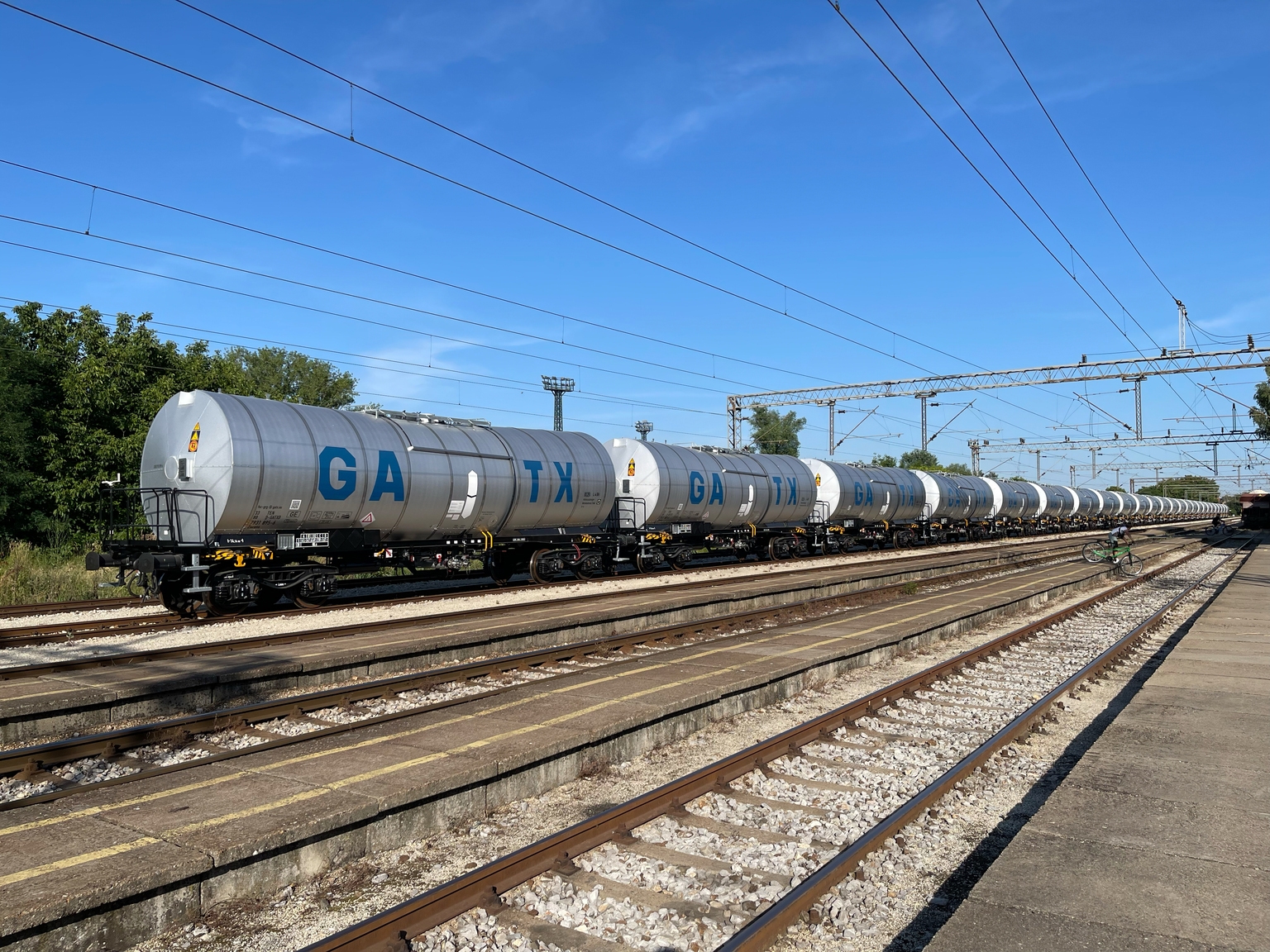
GATX Corporation (NYSE:GATX) returned about 12% over the past year, beating the broader market. That performance came despite a "Hold" rating from a Seeking Alpha contributor who argued the stock's growth spurt does not justify an upgrade.
The analyst has covered GATX for years and maintained a Hold rating through the cycle. The thesis rests on the view that GATX's recent earnings beat and strong lease rate environment are temporary. The railcar lessor reported a 15% earnings beat in the first quarter, driven by higher lease rates and fleet utilization. The analyst sees these as cyclical highs, not a structural shift. The company's core business – leasing railcars to shippers of chemicals, petroleum, and food – faces headwinds from an aging fleet and rising maintenance costs.
GATX's valuation also gives the analyst pause. The stock trades at roughly 20 times forward earnings, a premium to its historical average. The analyst argues that the market is pricing in sustained growth that the company's fundamentals do not support. Without a catalyst to push earnings higher, the multiple could compress. The dividend yield sits at about 1.5%, below the sector average, and the payout ratio is high relative to free cash flow.
The analyst points to specific risks. GATX's fleet renewal program requires significant capital spending. The company plans to invest $1.1 billion in new railcars over the next two years. That spending will pressure free cash flow and limit the ability to return capital to shareholders. Meanwhile, lease rates in the secondary market have shown signs of softening after a strong run. The analyst notes that the "railcar renaissance" – a period of high demand and tight supply – may be peaking. Maintenance costs are rising as the fleet ages, with the average railcar age now over 15 years.
What would confirm the analyst's caution? A miss on quarterly earnings or a downward revision to guidance would signal that the cycle has turned. The analyst also watches the ratio of lease revenue to operating expenses. If that ratio narrows, it would suggest that cost pressures are eating into margins. Another red flag would be a decline in fleet utilization below 95%, which would indicate softening demand.
What would weaken the case? A sustained increase in railcar demand from energy or agricultural shippers could extend the cycle. GATX's exposure to the tank car market, which serves the oil and gas industry, is a wild card. If crude prices stay elevated, demand for tank cars could remain strong. The analyst also acknowledges that GATX's management has a strong track record of capital allocation and that the company's long-term contracts provide some revenue visibility.
The analyst maintains a Hold rating, expecting the stock to move in line with the market over the next 12 months. The next catalyst is the second-quarter earnings report, due in late July. That print will show whether the first-quarter beat was a one-off or the start of a trend. For investors who bought on the rally, the risk is that the stock has already priced in the good news. A pullback to the mid-$130s would bring the valuation back to historical norms, the analyst estimates.
The analyst's Hold rating stands in contrast to the market's recent enthusiasm. Since the first-quarter earnings beat, GATX shares have added another 5%. The analyst argues that the market is extrapolating a single quarter's strength into a multi-year trend. If the second-quarter results fail to meet elevated expectations, the stock could give back those gains.