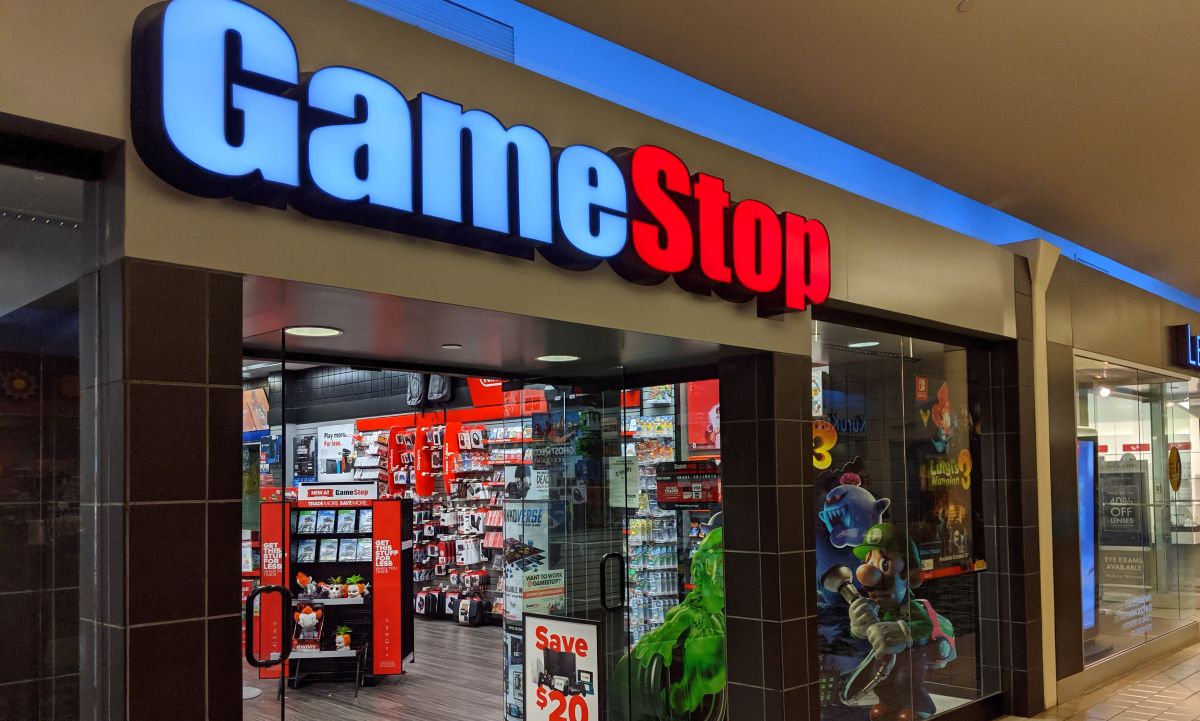
GameStop is reportedly preparing a bid to acquire eBay, a move aimed at transforming the video game retailer into a $100 billion market capitalization entity. Reports surfacing on Friday, May 1, indicate that GameStop has been accumulating a stake in the online marketplace, with a formal bid potentially arriving as early as this month. The proposed transaction represents a significant departure from GameStop's core business, as CEO Ryan Cohen seeks to pivot the company into the broader consumer and retail space.
The Scale of the Proposed Transaction
At a valuation of approximately $46 billion, eBay is nearly four times the size of GameStop. This disparity creates immediate questions regarding the mechanics of a potential takeover. Analysts at Bernstein have noted that any successful acquisition would likely necessitate significant levels of debt financing, which could strain GameStop's balance sheet. The company is currently navigating a period of internal restructuring, having announced in January plans to close 430 stores in the U.S. as part of a portfolio optimization strategy. This effort to sustain profitability through store closures highlights the operational challenges the firm faces while simultaneously pursuing a massive inorganic growth strategy.
For those tracking the retail sector, the move is a direct attempt to satisfy the performance-based stock option award granted to Cohen in January. The board-approved incentive structure is explicitly tied to reaching a $100 billion market cap, a target that requires a fundamental shift in the company's revenue composition. While GameStop has historically focused on video games and collectibles, the acquisition of a platform like eBay would force a pivot toward general e-commerce and peer-to-peer retail. You can find more context on the firm's current standing at the GME stock page.
Competitive Positioning and Integration Risk
Beyond the financing hurdles, the integration of eBay into the GameStop ecosystem presents significant operational risks. eBay currently competes against retail giants including Amazon and Walmart, as well as niche players like Etsy and Temu. The online marketplace has been executing its own turnaround strategy, which management has described as progressing smoothly. A hostile or leveraged takeover could disrupt these efforts, potentially alienating the existing user base and merchant network that eBay relies on for its payment and transaction volume.
Recent initiatives at eBay, such as the February investment in TrueLayer to enable Pay by Bank services in the U.K., demonstrate a focus on payment diversification and user experience. These technical integrations require stability and long-term investment. If GameStop proceeds with a bid and faces resistance from eBay's board, Cohen has signaled a willingness to take the proposal directly to shareholders. This escalation strategy would likely increase volatility for both EBAY stock page and GameStop, as the market weighs the feasibility of the deal against the potential for significant dilution or debt-heavy capital structures.
Market Sentiment and Structural Hurdles
Investors should remain skeptical of the timeline and the strategic fit. While the ambition to reach a $100 billion valuation is clear, the path to achieving it through a debt-funded acquisition of a larger, more complex business is fraught with execution risk. The retail landscape is increasingly defined by scale and logistics efficiency, areas where GameStop has limited experience compared to the established infrastructure of eBay. For comparison, other tech-heavy firms continue to navigate their own strategic shifts, such as those seen in the stock market analysis of broader consumer discretionary and communication services sectors. With an Alpha Score of 62/100 for eBay and 49/100 for GameStop, the market is currently pricing in a high degree of uncertainty regarding both companies' long-term trajectories. Any confirmation of a formal bid, or conversely, a rejection by eBay's board, will serve as the primary catalyst for price discovery in the coming weeks.