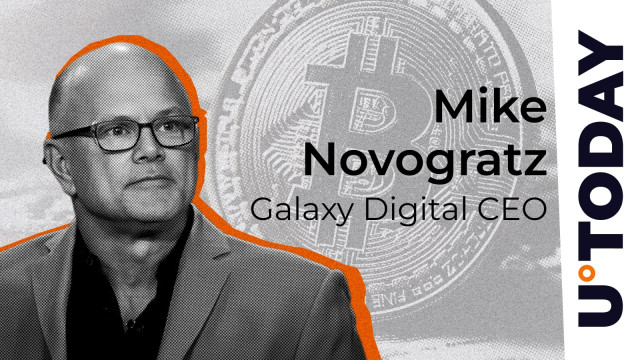
Galaxy Digital has secured a BitLicense from the New York Department of Financial Services, a regulatory milestone that gives the firm direct access to New York's institutional capital pool. The license was granted to GalaxyOne Prime NY, the entity responsible for the firm's state-level operations. It allows Galaxy to offer digital asset trading and custody services to investment advisors, hedge funds, and family offices based in New York.
The BitLicense and New York's Institutional Barrier
The BitLicense, introduced by the NYDFS in 2015, is widely regarded as one of the toughest state-level hurdles in U.S. crypto regulation. Applicants must satisfy strict requirements on capitalization, anti-money laundering controls, cybersecurity, and reporting. Only 24 firms currently hold a BitLicense. The short list includes Coinbase, Ripple, and Bullish – all direct competitors for institutional crypto services.
Securing the license removes a key structural barrier for Galaxy. New York represents the deepest pool of institutional capital in the country, according to Galaxy CEO Mike Novogratz. Prior to this approval, Galaxy could serve New York clients only through third-party intermediaries or indirectly. The license lets it compete head-to-head for that flow.
Galaxy's Regulatory Arsenal and $9 Billion AUM
Galaxy currently manages approximately $9 billion in client assets. The firm holds 50 licenses across global jurisdictions, covering activities from broker-dealer operations to digital asset custody. The New York license fills a specific gap in its U.S. regulatory stack.
For competing firms without a BitLicense, Galaxy's approval raises the bar. To serve New York institutions, rivals must either obtain their own license from the NYDFS or rely on a licensed sub-custodian – adding cost and counterparty risk. Galaxy now owns that capacity in-house.
What This Changes for the Institutional Crypto Market
The practical effect is straightforward: Galaxy can pitch its trading and custody services directly to the largest U.S. institutional base without a geographic workaround. That matters most for hedge funds and family offices that allocate to digital assets as part of a broader portfolio. Galaxy's existing balance sheet and lending infrastructure become a direct value proposition to this demographic.
Digital assets are no longer fringe allocations, Novogratz argued. The license lets Galaxy capture that shift in real time. For the broader market, the development signals that U.S. regulators are still issuing BitLicenses, countering the narrative that the state has effectively frozen new approvals.
The Next Decision Point
Two factors will determine whether this license translates into measurable market share. First, the pace at which Galaxy onboards New York-based institutions and discloses any asset growth tied to that channel. Second, whether competing firms (including those already licensed) respond with aggressive pricing or service enhancements to defend their turf. The next quarterly AUM disclosures and custody volumes from Galaxy will provide the first concrete read on execution risk.
For traders tracking institutional crypto flows, Galaxy's license reduces regulatory uncertainty for the crypto market as a whole – but only to the extent that other firms can replicate the feat. The NYDFS pipeline for new applicants remains the real variable.