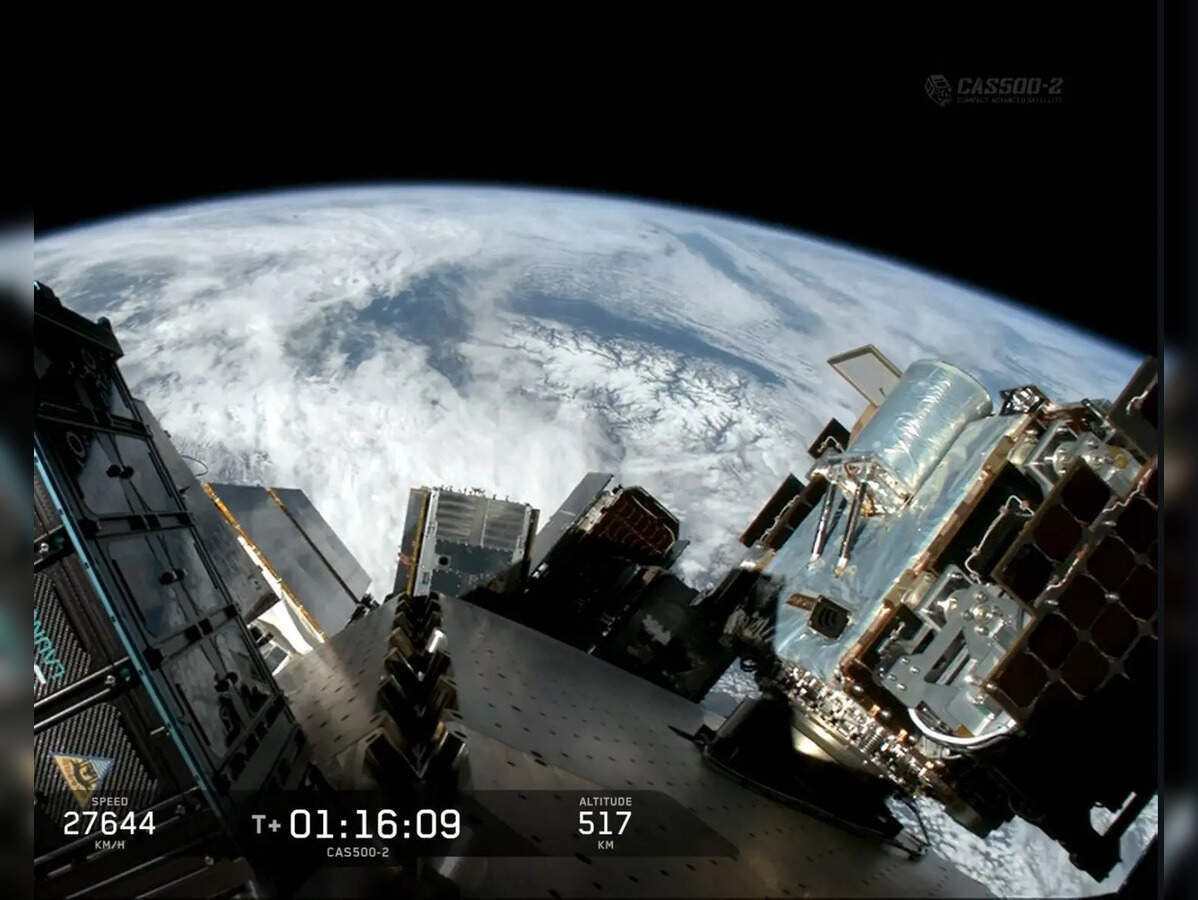
GalaxEye's 190-kilogram Mission Drishti satellite introduces OptoSAR technology. This hybrid sensor shift could disrupt the economics of Earth observation.
The successful deployment of the 190-kilogram Mission Drishti satellite marks a transition for the Indian private space sector. By integrating electro-optical and radar sensors into a single platform, GalaxEye has introduced the world's first OptoSAR satellite. This hybrid approach addresses a persistent limitation in remote sensing where cloud cover or darkness often renders traditional optical imagery useless.
The core value proposition of OptoSAR lies in its ability to provide high-resolution visual data alongside synthetic aperture radar capabilities. Standard optical satellites rely on sunlight and clear skies, while radar systems provide structural data regardless of atmospheric conditions. By combining these, GalaxEye creates a continuous monitoring solution that is more resilient to environmental interference. This capability is critical for sectors requiring high-frequency data, such as agriculture, infrastructure monitoring, and defense intelligence.
This launch validates the trend toward smaller, multi-modal satellite platforms that offer higher utility per kilogram. For the broader space industry, the success of a 190-kilogram craft suggests that private operators are increasingly capable of delivering complex payloads that were previously the domain of state-run agencies. The shift toward miniaturized, sensor-dense satellites lowers the barrier to entry for commercial data providers while increasing the granularity of available Earth observation metrics.
Investors should look at how this integration impacts the cost-per-image for commercial data buyers. If GalaxEye can maintain high-resolution output while reducing the need for multiple satellite passes, the competitive pressure on legacy Earth observation firms will intensify. The ability to deliver fused data sets from a single orbit path changes the economics of satellite constellations, potentially forcing a revaluation of current hardware-heavy business models.
The next phase involves the calibration of the onboard sensor suite and the delivery of the first commercial data sets. Market participants should monitor the latency between data acquisition and delivery, as this will determine the utility of the platform for time-sensitive applications. If the integration of OptoSAR proves stable, expect increased capital allocation toward companies focused on sensor fusion and advanced signal processing in orbit. The long-term viability of this model hinges on the ability to scale the constellation without a linear increase in operational complexity or launch costs.
AI-drafted from named sources and checked against AlphaScala publishing rules before release. Direct quotes must match source text, low-information tables are removed, and thinner or higher-risk stories can be held for manual review.