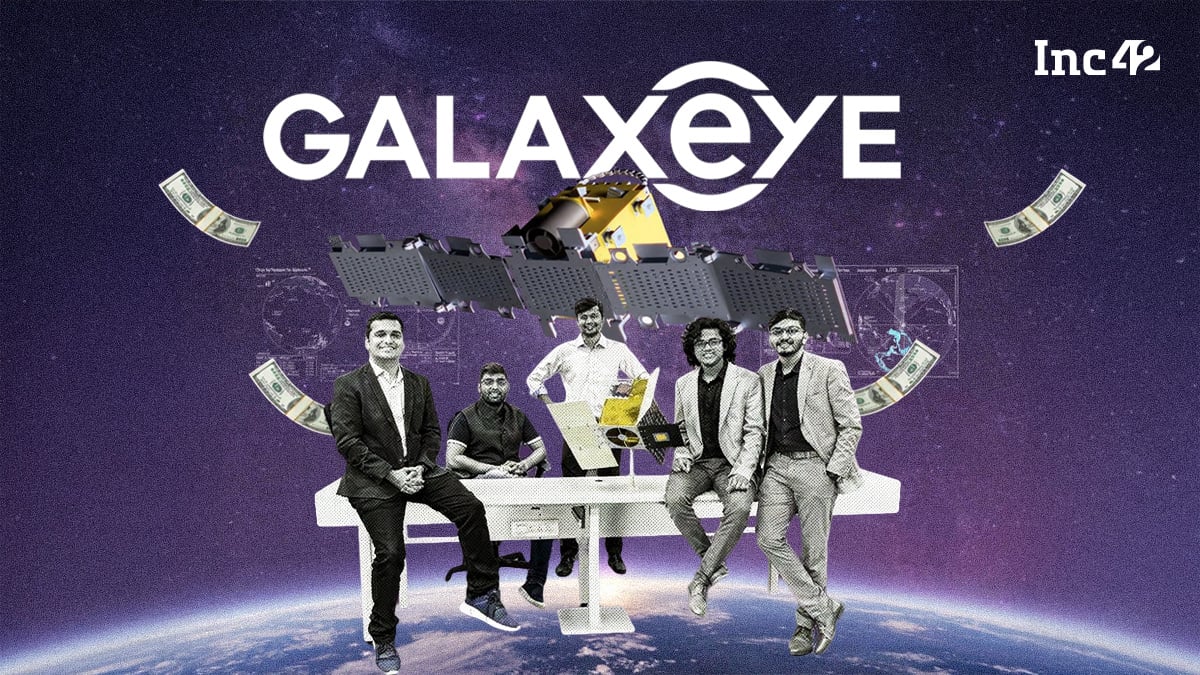
The launch of GalaxEye’s first OptoSAR satellite, dubbed Mission Drishti, marks a shift in India’s private space sector from experimental prototyping to commercial revenue generation. By integrating electro-optical (EO) and synthetic aperture radar (SAR) sensors into a single 190 kg platform, the Bengaluru-based startup aims to solve the primary limitation of conventional earth observation: the trade-off between high-resolution optical clarity and all-weather radar penetration. This dual-sensor capability is designed to provide round-the-clock imaging, a critical requirement for sectors ranging from defense and maritime monitoring to agriculture and infrastructure planning.
The Mechanism of OptoSAR Integration
Conventional earth observation systems typically rely on either optical sensors, which are hindered by cloud cover and darkness, or SAR sensors, which provide all-weather data but often lack the visual fidelity required for specific intelligence tasks. GalaxEye’s platform merges these streams, allowing for consistent data acquisition regardless of environmental conditions. For investors tracking the stock market analysis of the broader technology sector, this represents a move toward high-frequency, actionable geospatial intelligence. The satellite successfully separated from a SpaceX Falcon 9 rocket over an hour after its California launch, signaling that the hardware has cleared its most significant operational hurdle.
Commercialization and Revenue Path
While the technology is dual-use, GalaxEye CEO Suyash Singh has indicated that defense and security agencies are expected to drive the majority of early revenue. This focus on high-frequency, high-value data is a departure from the broader, lower-margin satellite imagery market. The company has already secured interest from international government and commercial stakeholders, suggesting a potential path for recurring revenue as the constellation expands. GalaxEye plans to launch a constellation of at least 10 satellites over the next 30 months, a move that will be essential to achieving the revisit rates required by global defense clients.
Funding and Strategic Backing
GalaxEye’s development cycle, which spanned five years of R&D and environmental testing, was supported by $20 million in total funding. The cap table includes notable institutional and corporate backers, such as INFY stock page, InfoEdge, Speciale Invest, and Rainmatter. This backing provides the startup with a runway to transition from the current commissioning phase to full-scale commercial delivery. The company’s partnership with NewSpace India Limited (NSIL), the commercial arm of ISRO, is a critical component of its go-to-market strategy, as NSIL will facilitate the global distribution of the satellite imagery.
Sector Read-Through and Market Context
India’s private space ecosystem has seen a rapid influx of capital, with sector funding rising 94% to $157 million in 2025 from $81 million in 2024. This surge follows the government's decision to open the space sector to private players, leading to the emergence of approximately 200 startups. GalaxEye’s progress is a bellwether for this cohort. While the company remains private, its backers include major entities like Infosys, which maintains an Alpha Score of 57/100, reflecting a moderate outlook in the current technology landscape. The success of Mission Drishti serves as a validation of the broader Indian deeptech thesis, where indigenous design and manufacturing are increasingly prioritized for both domestic and international defense contracts.
Operational Risks and Future Milestones
Despite the successful launch, the company faces significant execution risks as it scales its constellation. The primary challenge lies in the transition from a single-satellite demonstration to a 10-satellite network. Each launch involves complex logistics, regulatory compliance, and the need for continuous, reliable data processing at scale. Furthermore, the company must prove that its proprietary OptoSAR payload can maintain high-resolution performance over the duration of its orbital life. The next few weeks will be critical as the company begins delivering initial imagery to customers, which will serve as the first real-world performance benchmark for the platform. Investors should monitor the frequency of these deliveries and the ability of the startup to convert interest from government stakeholders into long-term, multi-year contracts. The success of this mission is not just a technical milestone but a test of whether the Indian private space sector can sustain the commercial momentum required to compete with established global satellite operators.