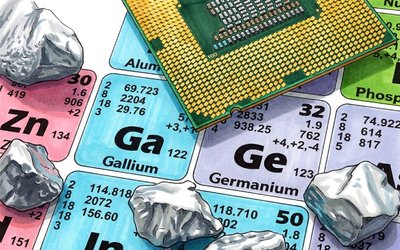
G50 Corp's Golconda proof-of-concept shows gallium grades double through screening, with 63-87% recovery. Gold and silver co-products strengthen the project's economics.
G50 Corp (ASX: G50) reported proof-of-concept metallurgical results from the Golconda Project in Arizona. The work showed that conventional processing can upgrade gallium and recover precious metals from oxidised surface material.
Screening and desliming upgraded gallium grades by as much as double. The company recovered 63% to 87% of the contained metal into 40% to 60% of the original sample mass. Gold and silver reported to the fine fraction alongside gallium, creating potential for a combined concentrate or separate products.
SGS Lakefield completed the tests on four subsamples drawn from a 2,200-kilogram outcrop and trench sampling campaign at Golconda's Little Jimmy area. Gallium concentrated strongly in material smaller than 20 microns. Between 30% and 70% of the gold and 60% of the silver reported to the gallium-rich fine fraction.
Earlier mineralogical work found that about 88% of Golconda's gallium was hosted in muscovite, the mica mineral that forms the main target for concentration. Sulphide flotation of deslimed material increased gold grades by about 10 times and silver grades by about five times. Gold recovery ranged from 70% to 90%, silver recovery from 30% to 50%. The single-stage open-cycle test showed selectivity for gold and silver minerals, though most silver had already moved to the fine fraction before flotation.
Separate mica flotation upgraded gallium by two to five times from the feed. The company recovered 40% to 50% of the gallium into about 10% to 20% of the flotation feed mass. G50 Corp identified scope to use scavenger flotation to lift overall gallium recovery and cleaner flotation to improve concentrate grades as it develops the preliminary flowsheet.
Golconda hosts gold, silver, zinc and gallium mineralisation over an area roughly 1,300 metres long, 400 metres wide, extending to about 400 metres depth. The current program remains preliminary and used a limited number of surface samples. It does not establish a mineral resource, ore reserve, or the technical and commercial viability of a development.
Mineralogy and liberation studies on the oxide material are ongoing. Geochemistry work includes comparing impurity-to-gallium ratios with gallium products from aluminium and zinc processing. Further metallurgical testing will seek broader deposit representation and assess variability. Additional drilling and sampling may follow from current project studies.
Prepared with AlphaScala editorial tooling from the source reporting linked above. Indexable analysis may include a cited Alpha Score value. Publishing checks screen each story before release. Educational coverage, not personalized advice.