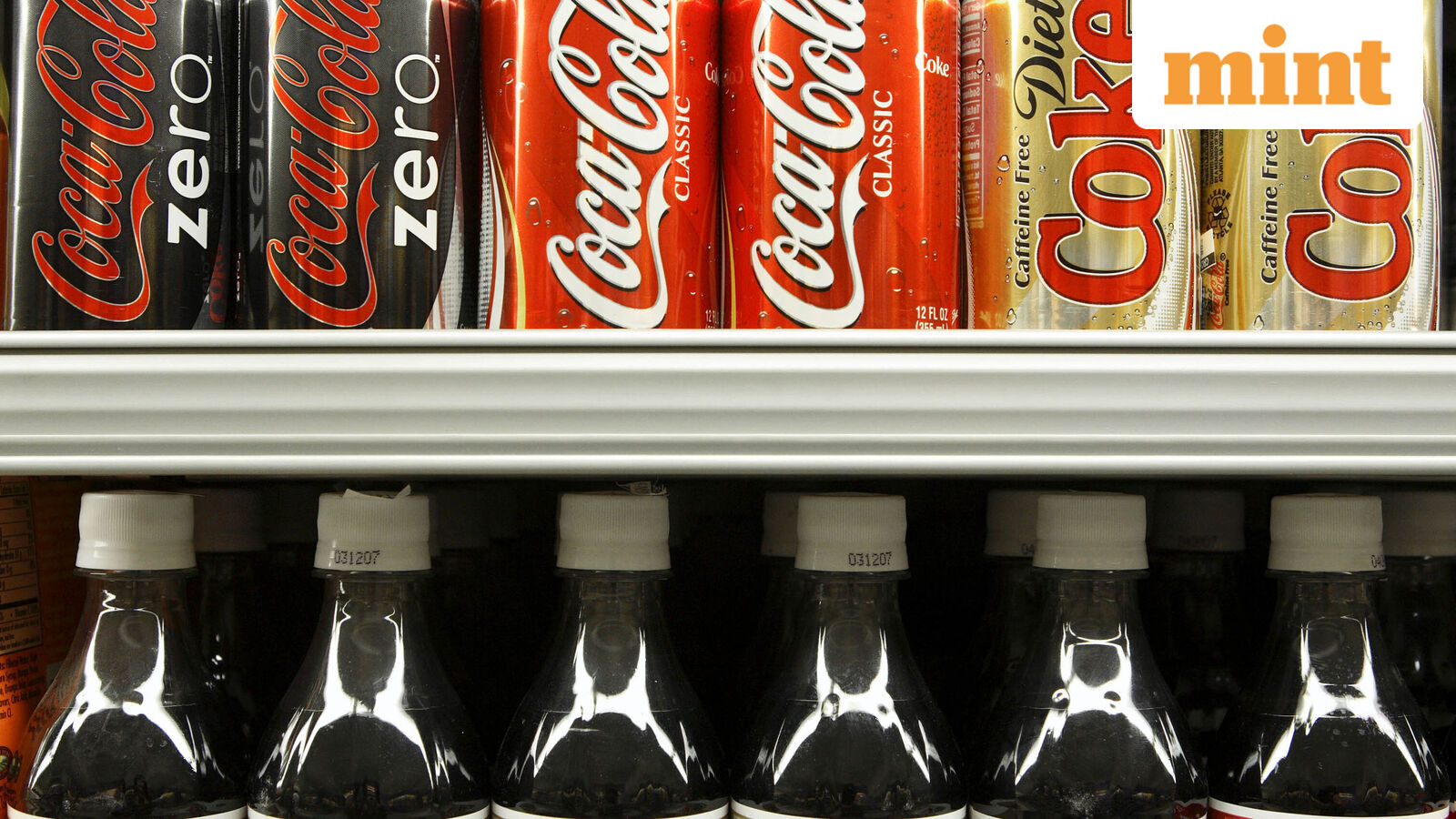
Functional Fizz and Local Flavors Reshape the Soft Drink Landscape

Soft drink manufacturers are shifting focus from zero-sugar formulations to functional additives and localized flavors to capture growth in a ₹30,850 crore market.
Alpha Score of 55 reflects moderate overall profile with moderate momentum, moderate value, moderate quality. Based on 3 of 4 signals — score is capped at 90 until remaining data ingests.
Alpha Score of 47 reflects weak overall profile with moderate momentum, poor value, moderate quality. Based on 3 of 4 signals — score is capped at 90 until remaining data ingests.
Alpha Score of 53 reflects moderate overall profile with poor momentum, strong value, strong quality, moderate sentiment.
Alpha Score of 45 reflects weak overall profile with strong momentum, poor value, poor quality, weak sentiment.
The soft drink industry is undergoing a structural shift as zero-sugar formulations transition from a premium differentiator to a standard market baseline. Manufacturers are now pivoting toward functional additives and localized flavor profiles to maintain growth within the ₹30,850 crore domestic sector. This evolution reflects a broader attempt to capture consumer interest as traditional carbonated sugar-heavy beverages face saturation and shifting health preferences.
Functional Additives and Health Positioning
Companies are increasingly integrating probiotics and vitamins into their carbonated portfolios to justify higher price points and differentiate their offerings. By positioning these products as functional beverages rather than simple refreshments, brands aim to align with the growing demand for wellness-oriented consumption. This strategy moves the competitive focus away from pure volume and toward value-added segments where margins are typically more resilient.
The shift is driven by a need to sustain engagement in a market where zero-calorie options have already achieved widespread adoption. Adding functional benefits allows manufacturers to reclaim shelf space and appeal to demographics that previously avoided the soft drink category due to health concerns. This transition is critical for maintaining relevance as the industry faces pressure to innovate beyond basic calorie reduction.
The Role of Modern-Traditional Flavors
Beyond functional additives, the industry is aggressively pursuing local and modern-traditional flavor profiles. This approach leverages regional preferences to create a sense of familiarity while maintaining a modern brand identity. By blending traditional ingredients with the convenience of carbonated packaging, companies are attempting to bridge the gap between legacy consumption habits and contemporary lifestyle trends.
This localization strategy serves as a defensive measure against global brands that rely on standardized flavor sets. By tailoring product development to specific regional tastes, manufacturers can build deeper brand loyalty and insulate themselves from the volatility of broader consumer trends. The focus on flavor innovation is expected to remain a primary driver of market share as companies look to differentiate their portfolios in an increasingly crowded retail environment.
AlphaScala Data and Market Context
Market participants tracking consumer cyclical sectors should note that current performance metrics reflect a mixed outlook for major players. For instance, AS stock page currently holds an Alpha Score of 47/100, reflecting the broader challenges in the consumer cyclical space. Meanwhile, ON stock page and A stock page maintain Alpha Scores of 45/100 and 55/100 respectively, highlighting the varying degrees of stability across technology and healthcare sectors that often intersect with consumer-facing innovation.
Investors should monitor upcoming quarterly earnings reports for specific mentions of functional beverage growth rates and the success of new flavor launches. The next concrete marker for this sector will be the release of regional sales data, which will reveal whether these functional and localized strategies are successfully driving volume growth or merely cannibalizing existing product lines. Further analysis on broader market trends can be found in our commodities analysis section.
AI-drafted from named sources and checked against AlphaScala publishing rules before release. Direct quotes must match source text, low-information tables are removed, and thinner or higher-risk stories can be held for manual review.