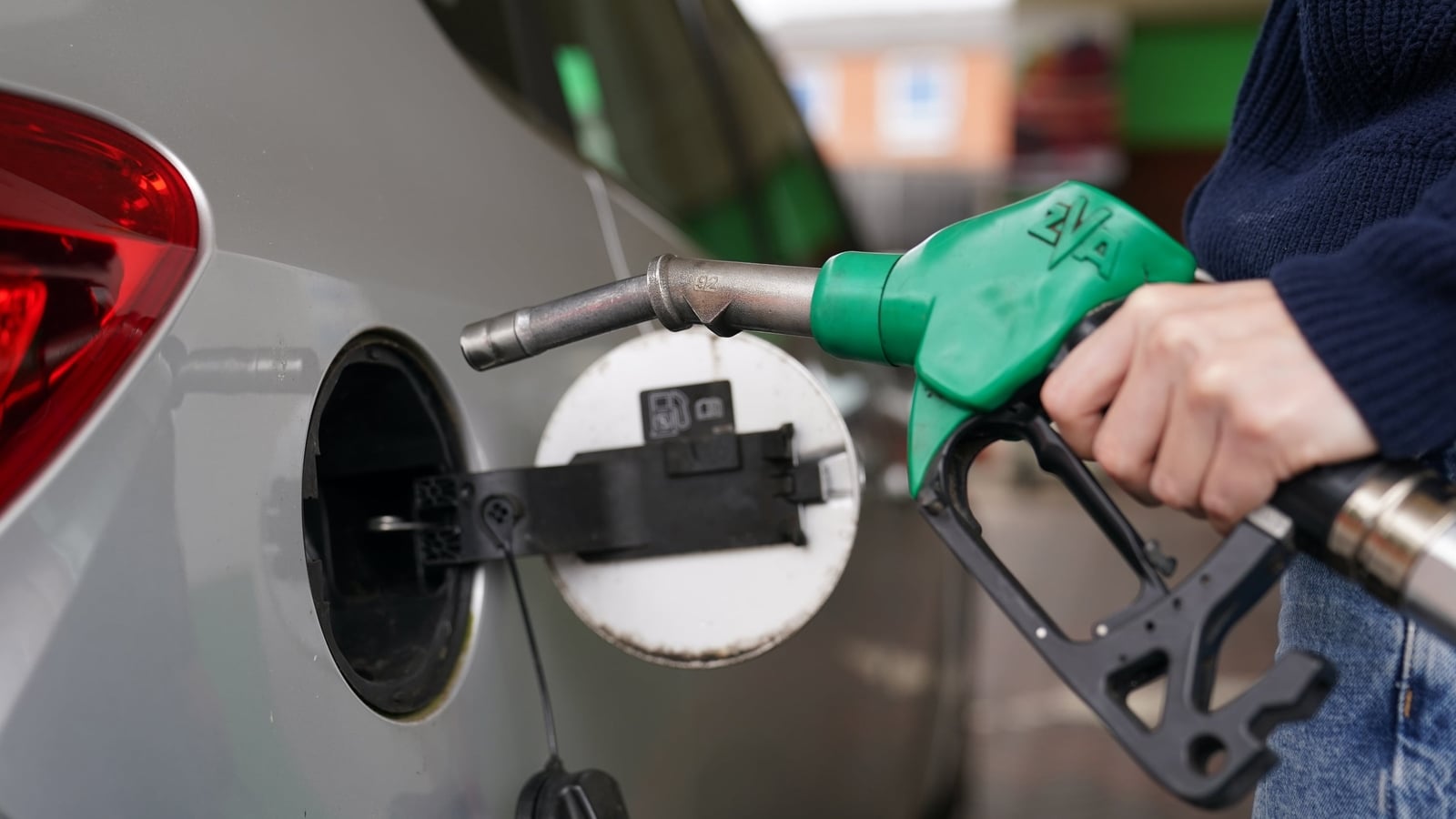
The onset of conflict involving Iran has triggered an immediate shift in consumer behavior across the United Kingdom, specifically within the fuel sector. British motorists engaged in a surge of panic buying at the pump, a reaction that directly influenced national retail sales volumes for March. This sudden uptick in fuel consumption acted as a primary driver for retail performance, pushing total volume figures beyond initial projections.
Geopolitical Risk and Consumer Behavior
The immediate reaction of the motoring public to the escalation in the Middle East highlights the sensitivity of domestic energy markets to external supply chain fears. While the conflict originated thousands of miles away, the perceived threat to global oil transit routes prompted an instantaneous shift in household spending priorities. Motorists prioritized filling fuel tanks to hedge against potential price hikes or supply shortages, effectively decoupling fuel demand from standard seasonal consumption patterns.
This behavior created a temporary distortion in retail data. Because fuel represents a significant portion of household expenditure, the sudden concentration of spending within a short window inflated the aggregate retail sales figures. The surge demonstrates how geopolitical instability can force a rapid reallocation of disposable income toward essential commodities, even when the underlying supply of fuel remains physically unaffected in the short term.
Inventory Management and Retail Volatility
Retailers faced an immediate logistical challenge as demand spiked across forecourts. The rapid depletion of local fuel stocks forced a realignment of supply chains to meet the unexpected volume. This pressure on inventory levels serves as a reminder of the fragility of just-in-time delivery models when consumer sentiment shifts abruptly due to external shocks.
- Fuel demand spiked immediately following the onset of the conflict.
- Retail sales volumes exceeded expectations due to the concentration of fuel purchases.
- Consumer behavior shifted toward defensive spending to mitigate future price risks.
This volatility in the retail sector underscores the broader impact of energy security on the consumer economy. When motorists perceive a threat to the stability of crude oil markets, the ripple effect is felt immediately at the retail level. This is distinct from broader trends seen in sectors like consumer cyclicals, where spending is often tied to long-term confidence rather than immediate supply fears. For context on broader consumer cyclical performance, see the AS stock page or the DASH stock page.
AlphaScala Data Context
AlphaScala currently labels Amer Sports, Inc. (AS) with an Alpha Score of 47/100 and DoorDash, Inc. (DASH) with an Alpha Score of 34/100. These scores reflect the current sentiment in the consumer cyclical sector, which remains distinct from the commodity-driven retail spikes observed in the fuel market.
For further analysis on how energy markets respond to regional conflicts, visit our commodities analysis section. The next concrete marker for this trend will be the release of April retail data, which will reveal whether the March spike was a singular reaction to the initial news of the conflict or the beginning of a sustained shift in fuel consumption patterns. Analysts will look for a normalization of sales volumes as the initial panic subsides and the reality of fuel supply stability becomes clearer to the public.