Commodities● Neutral
Fuel Excise Cut Halved: What It Means for Australian Petrol Prices
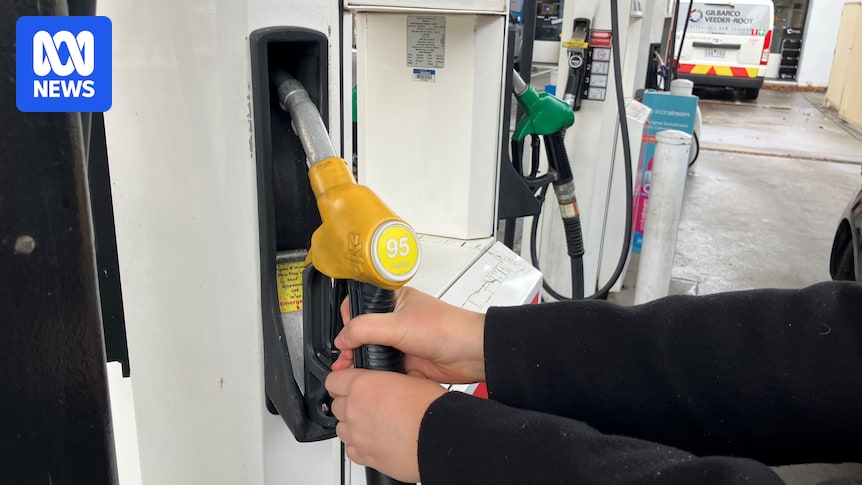
Australia's fuel excise cut drops from 32c to 16c per litre until August 2. With Strait of Hormuz traffic still flowing, here's the outlook for petrol prices.
Continue with
The Australian government extended its fuel excise cut at half the original rate. The 32 cents per litre discount will drop to 16 cents per litre from July 1 through August 2, then taper off completely. The Heavy Vehicle Road User Charge will increase to 16 cents per litre over the same period.
The original cut came in March after the US-Israeli attack on Iran disrupted shipping through the Strait of Hormuz, sending fuel prices higher. Prime Minister Anthony Albanese said Sunday the government welcomed the end of the Middle East war and the subsequent drop in fuel prices. He said Australians were still under pressure.
Iran said it closed the Strait of Hormuz because of Israel's continued attacks in Lebanon. The US military said 55 merchant ships transited on Saturday, local time, carrying more than 17 million barrels of crude oil. Traffic is continuing to flow, the US said.