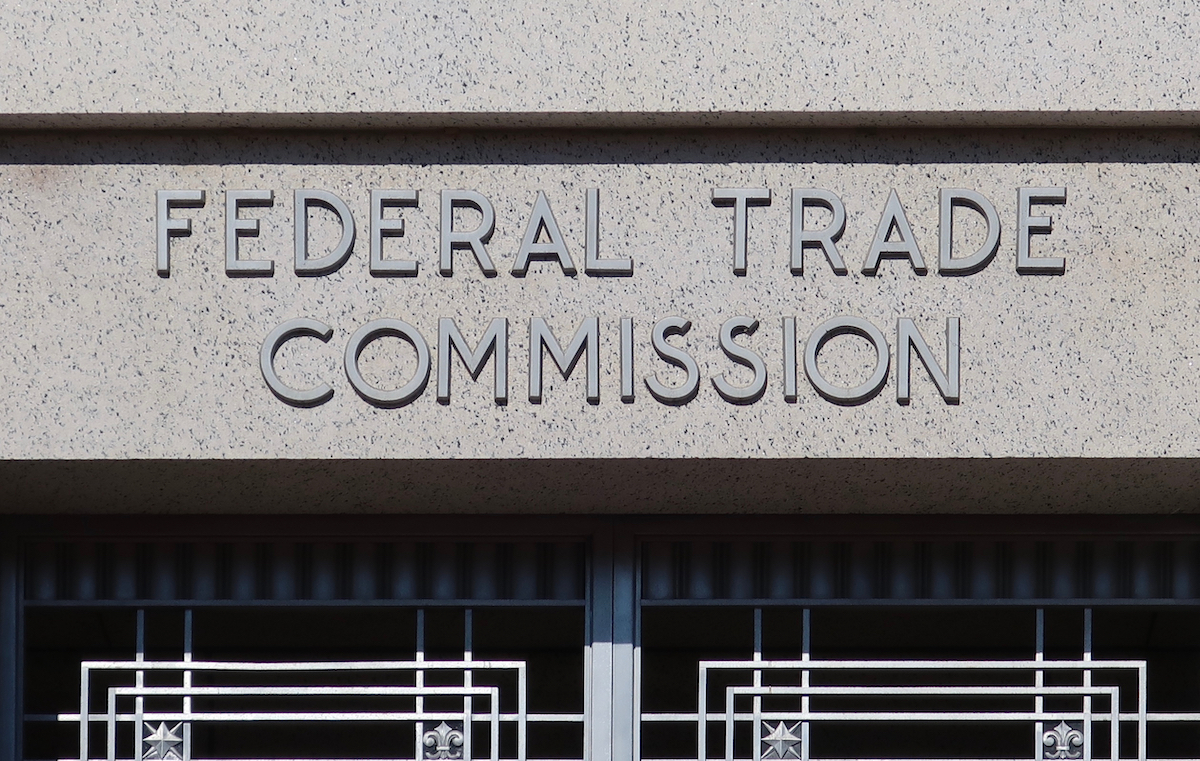
The Federal Trade Commission and eight states secured a settlement with three advertising agencies accused of orchestrating illegal boycotts against digital advertising platforms. The agencies involved, including Edelman, are prohibited from entering or enforcing any agreements that restrict or discourage the placement of advertisements on specific platforms.
The Scope of the Settlement
The FTC’s investigation centered on allegations that these agencies coordinated to withhold advertising spend from platforms that implemented certain data privacy or content moderation policies. By acting in concert, these firms theoretically exerted undue pressure on publishers to alter their business models to align with the agencies' preferences. Under the terms of the settlement, the agencies must dismantle any existing agreements that interfere with their clients' ability to choose where their ad dollars are deployed.
"The settlement ensures that advertising agencies cannot use their collective market power to dictate the terms of digital competition or suppress platform choices for their clients," according to the FTC filing.
Market Implications for Ad Tech
For traders monitoring the momentum investing landscape, this development signals a tightening of antitrust enforcement regarding intermediary power. Agencies like those involved act as massive gatekeepers for marketing budgets, and the ability to steer client capital away from smaller or "non-compliant" platforms has historically acted as a barrier to entry for emerging ad-tech firms.
We expect the following shifts in the sector:
- Increased Platform Choice: Digital publishers that previously struggled with agency-led blacklists may see a stabilization in demand.
- Compliance Costs: Agencies will likely face higher legal oversight, potentially compressing margins as they audit internal communication and procurement policies.
- Client Autonomy: Large-cap advertisers are increasingly likely to bypass agency intermediaries, moving toward in-house programmatic buying to avoid risks associated with agency-led collusion.
What to Watch Next
Investors should look for changes in the procurement contracts of major holding companies. While the settlement specifically names three agencies, the FTC’s language implies a broader interest in the industry’s "group boycotts" of tech platforms. If this enforcement action triggers a wave of similar complaints from smaller ad-tech providers, expect volatility in the underlying valuations of traditional agency holding companies that rely on high-margin media buying power.
Watch for shifts in the advertising spend allocation within the broader market analysis reports for the next two quarters. If the barrier to entry for new platforms drops, the competitive moat protecting legacy ad-tech giants may begin to erode. The FTC’s focus remains clear: preventing collective action that restricts the flow of capital to independent digital marketplaces.