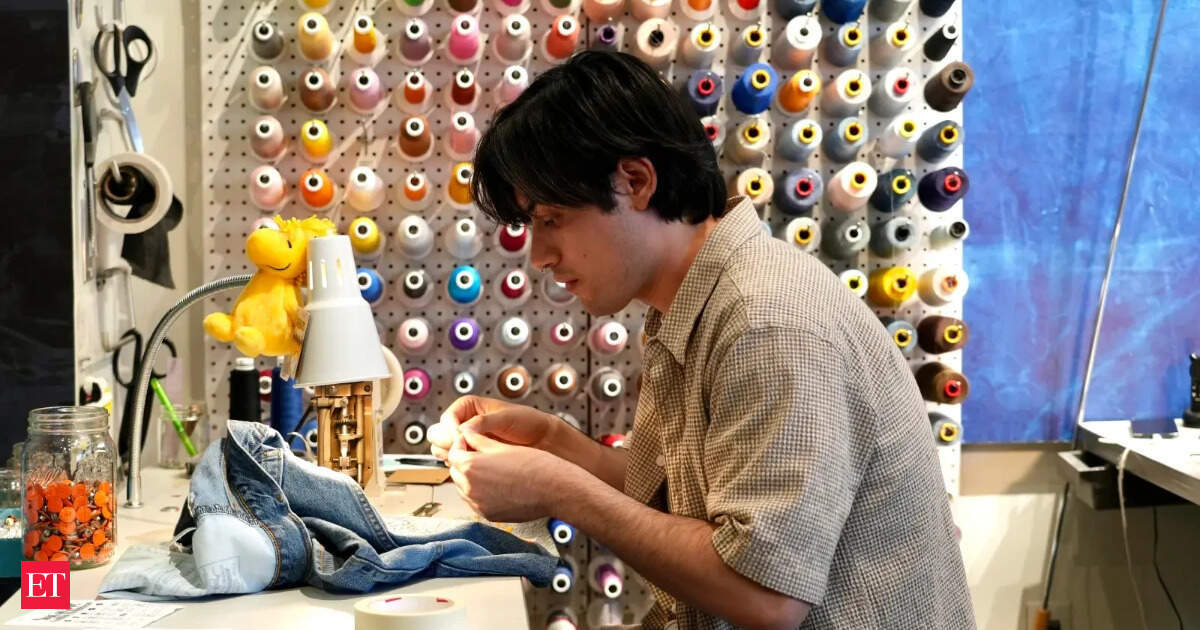
Fashion retailers are rediscovering the sewing machine. After years of chasing fast-fashion volume, labels like Uniqlo, Zara, and H&M are pouring resources into on-site tailoring, repair services, and custom-fit offerings. The target demographic is Gen Z, a cohort that surveys show increasingly values durability and personalization over disposable trends.
Uniqlo's parent Fast Retailing has expanded its in-store alteration studios in Japan and Southeast Asia, offering free hemming and sleeve adjustments on most purchases. Zara owner Inditex started testing repair workshops in select European flagships last year, allowing customers to bring in worn items for patching and re-stitching. H&M runs a pilot at its Stockholm flagship where shoppers can order made-to-measure blazers and trousers with a three-week turnaround.
The shift reflects a broader reckoning with the environmental and reputational costs of ultra-fast fashion. Gen Z shoppers return garments at higher rates than older demographics and, according to a 2023 McKinsey survey, roughly 60% say they would pay more for clothes built to last. "The days of a teenager buying a shirt, wearing it twice, and throwing it away – that customer is becoming rare," said J.P. Morgan retail analyst Emily Park. "Brands are responding to where the spending is moving."
Tailoring is also a margin play. Alteration services carry 60-80% gross margins in most markets, compared with 50-55% for off-the-rack apparel, according to data from Citi's European retail team. A Zara repair workshop that costs roughly EUR 40,000 to set up can break even within six months if it handles 30 repairs a day at EUR 15 each, Inditex told investors in its 2024 annual report.
The move comes as competitors that built whole identities on speed face pressure in other directions. Shein, the dominant fast-fashion pure-play, lost a third of its valuation in private market trades last year after EU regulators proposed stricter rules on textile waste and microplastic pollution. "Regulation is the second reason," said HSBC consumer analyst Rohan Gupta. "If Brussels caps the volume of garments a company can put into a market, having a repair-and-alteration service becomes a compliance asset, not just a marketing one."
None of the three companies disclosed specific revenue targets for the tailoring push. Fast Retailing said in a statement that its alteration studios processed 14 million adjustments in fiscal 2024, up from 9 million in 2020. Inditex declined to provide a repair count. H&M's made-to-measure pilot has fulfilled roughly 2,000 orders since launch, a spokesperson said.
The biggest constraint is skilled labor. Tailoring is a craft that takes two to three years to learn beyond basic hemming, and the pool of trained seamstresses and pattern makers has shrunk across Europe and Japan. Inditex is paying EUR 2,000 sign-on bonuses for experienced tailors in Madrid and Barcelona. Fast Retailing partners with vocational schools in Osaka and Tokyo to funnel graduates into its alteration studios.
"Every retailer I talk to wants to do this, but they cannot find the people," Gupta said. "The bottleneck today is not demand or technology. It is someone who knows how to work a needle."
Uniqlo will open its first U.S. alteration studio in New York's SoHo district in May. Zara plans to add repair counters in ten more cities by year-end. H&M has not announced a timeline for expanding its made-to-measure pilot beyond Stockholm.