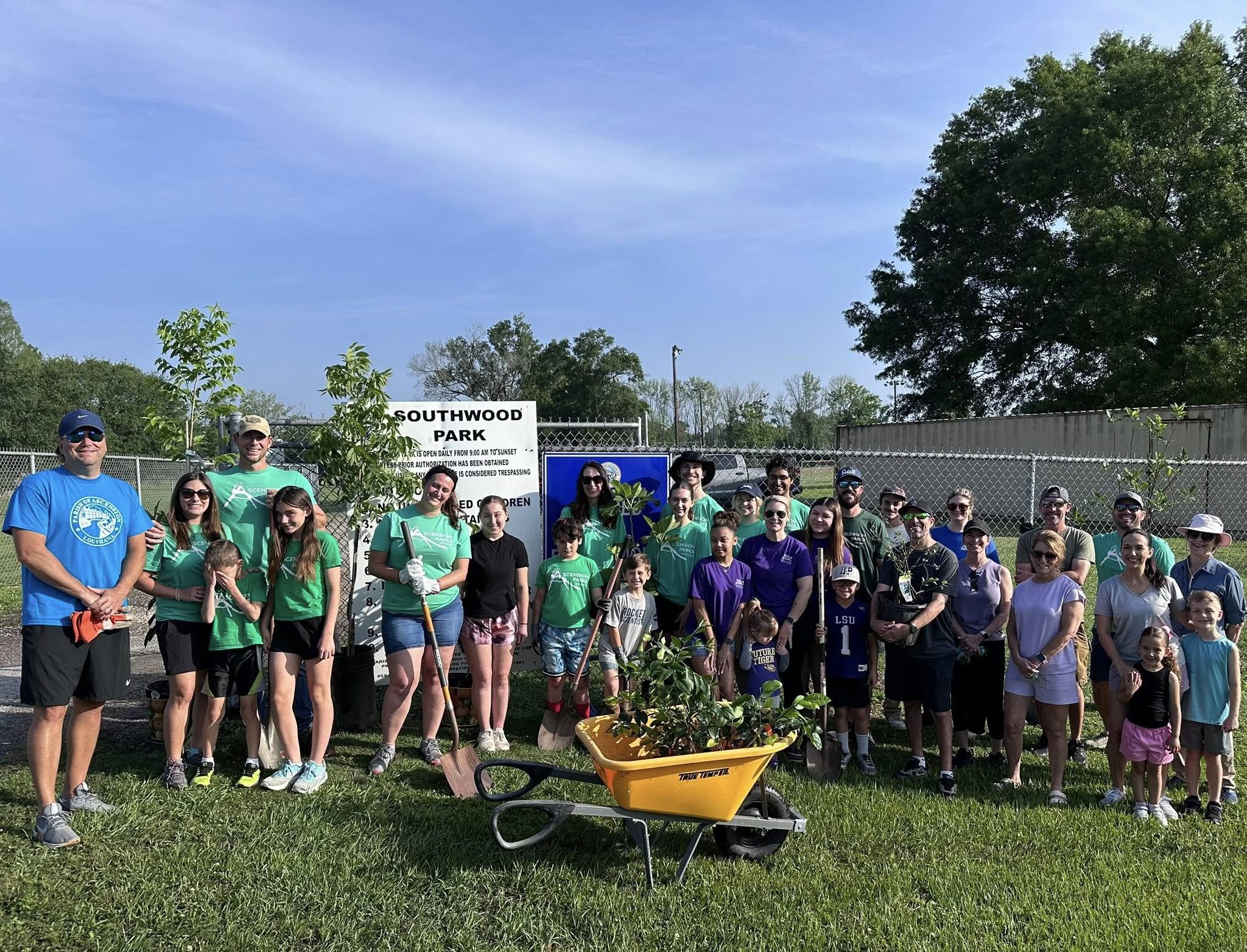
The transition of a localized capital surplus into a structured nonprofit entity marks a shift in how community-level infrastructure projects are managed in Ascension Parish. What began as a residual funding event from a single dog park initiative has evolved into the Ascension Parks Foundation, a vehicle now tasked with scaling park access across the region. This development highlights a recurring theme in municipal development where ad hoc project funding creates the initial momentum for broader, long-term infrastructure planning.
Scaling Localized Capital Efficiency
The foundation model relies on the redirection of excess capital from completed municipal projects to address broader regional gaps. By formalizing the handling of these surpluses, the organization moves beyond the limitations of individual project budgets. This approach allows for a more consistent deployment of resources, shifting the focus from isolated site improvements to a comprehensive network of public spaces. The ability to aggregate these funds provides a buffer against the volatility of municipal budget cycles, which often struggle to maintain consistent investment in recreational assets.
This structural pivot mirrors broader trends in public-private partnerships where community-led initiatives fill the void left by traditional government procurement cycles. As seen in REV Infrastructure Expansion Targets Rural Connectivity Gaps, the success of such models depends on the ability to translate initial project success into a repeatable framework. For the Ascension Parks Foundation, the challenge lies in maintaining this momentum as the scope of their projects expands beyond the initial surplus that provided their foundation.
Operational Sustainability and Asset Management
The move toward a nonprofit structure introduces a new layer of accountability in the management of public-use assets. By centralizing the oversight of these spaces, the foundation creates a clear point of contact for future maintenance and expansion efforts. This is a critical step for long-term asset viability, as it moves the responsibility away from fragmented volunteer efforts and toward a more professionalized management strategy.
AlphaScala data currently tracks various sectors for operational efficiency, including the healthcare sector where Agilent Technologies, Inc. maintains an Alpha Score of 55/100, and the utility sector where Southern Company holds a score of 47/100. While these firms operate on a vastly different scale, the underlying requirement for consistent capital allocation remains a shared challenge for any entity managing infrastructure assets. The foundation's ability to demonstrate fiscal discipline with its initial surplus will be the primary indicator of its potential to secure larger, institutional-grade funding in the future.
The Next Marker for Regional Development
The next phase for the foundation involves the transition from managing surplus funds to active fundraising and project bidding. The primary marker to watch is the release of the foundation's first multi-year development plan, which will outline how they intend to prioritize site selection and resource allocation. This document will serve as a litmus test for whether the organization can sustain its growth or if it will remain limited to the opportunistic funding cycles that defined its inception. Investors and local stakeholders should monitor the upcoming municipal budget hearings to see if the foundation is formally integrated into the parish's long-term capital improvement schedule.