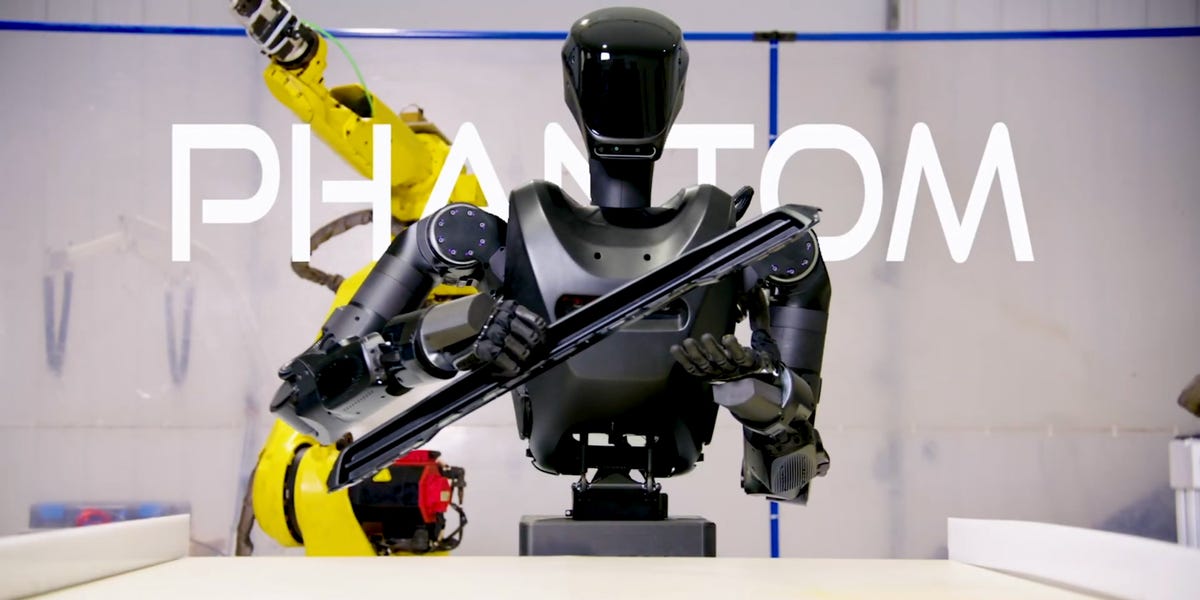
Foundation has initiated field demonstrations of humanoid robotics in Ukraine, marking a transition from industrial automation to potential military application. CEO Sankaet Pathak stated that the technology is projected to achieve the capability for target extraction within a five to ten year window. This development moves the discourse on autonomous systems from logistics and manufacturing into the direct theater of combat operations.
Strategic Implications for Defense Robotics
The deployment of humanoid platforms in active conflict zones suggests a pivot in how defense contractors and technology startups approach battlefield risk. By replacing human personnel with autonomous units, the objective is to mitigate casualties in high-risk scenarios such as reconnaissance, extraction, and frontline engagement. The technical hurdle remains the transition from controlled testing environments to the unpredictable variables of active war zones where terrain and communication stability vary significantly.
This shift forces a reevaluation of the defense industrial base. Traditional military hardware manufacturers have historically focused on air, sea, and land vehicles. The entry of specialized robotics firms into the combat space introduces a new layer of competition for government contracts. If these platforms prove viable for target extraction, the demand for specialized hardware components, including advanced sensors and high-torque actuators, will likely accelerate across the broader technology sector.
Sector Read-through and Hardware Dependencies
The integration of robotics into defense operations relies heavily on the underlying semiconductor and energy infrastructure. Companies like ON Semiconductor Corporation provide the power management and sensing technology essential for the mobility of these units. Similarly, energy density remains a critical constraint for humanoid platforms, keeping firms like Bloom Energy Corp in the conversation regarding the power requirements for remote or sustained operations.
AlphaScala data currently reflects a cautious outlook for these segments. ON Semiconductor Corporation holds an Alpha Score of 45/100, labeled as Mixed, while Bloom Energy Corp maintains an Alpha Score of 46/100, also labeled as Mixed. These scores suggest that while the long-term thematic growth in robotics is significant, the current financial and operational metrics for the supporting hardware sector remain in a state of transition.
The Path Toward Operational Maturity
The timeline provided by Foundation creates a clear marker for institutional observers. The next phase of development will require evidence of successful navigation of complex, unstructured environments without constant human oversight. Investors should monitor upcoming regulatory filings and public demonstrations for updates on battery life, processing latency, and the ability to operate in GPS-denied environments.
As the industry moves toward this five to ten year horizon, the primary constraint will not be the software logic alone, but the physical durability of the hardware under combat conditions. The transition from demonstration to deployment will serve as the definitive test for whether humanoid robotics can achieve the reliability required for military integration. Future updates regarding procurement partnerships or government-funded pilot programs will serve as the next concrete indicators of progress in this sector.