Commodities● Neutral
Forrestania Raises $310M for Edna May Gold Hub Acquisition
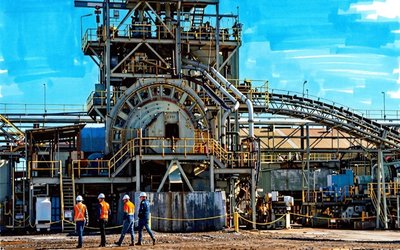
Forrestania Resources secures $310m placement at $0.40/share to fund $300m Edna May buy from Ramelius, targeting 2027 restart.
Continue with
Forrestania Resources has raised $310 million through a two-tranche institutional placement to fund its acquisition of the Edna May Gold Hub from Ramelius Resources. The deal, worth $300 million, brings Forrestania a 2.9-million-tonnes-per-annum mill, satellite tenements, and a 945,000-ounce gold resource package near Westonia, Western Australia.
Forrestania placed 775 million new shares at $0.40 each, a 5.9% discount to the previous close of $0.425. The first tranche of $95 million closed under existing capacity; the second tranche of $215 million will go to a shareholder vote at a general meeting expected in late August. Executive chair David Geraghty committed $1 million to the placement, subject to approval.
The company restructured the consideration from the original $200 million cash plus $100 million in shares to $210 million cash and $90 million in shares. Ramelius will receive 225 million Forrestania shares, roughly a 9.6% stake, locked up under an 18-month escrow followed by a six-month orderly-sale commitment.
Geraghty said the acquisition capped an aggressive consolidation strategy around stranded gold assets near Edna May. "This strategy has been incredibly successful and set Forrestania up for today's acquisition," he said. "Forrestania is at an exciting juncture as it now has the growing resource base and the processing infrastructure to deliver on its gold production strategy."
The $310m Placement and $300m Deal
Edna May has been on care and maintenance since April 2025. Forrestania estimates a low-cost restart at about $50 million, since the plant will have been idle for less than 18 months by the time it targets recommissioning. The company aims to have the mill fully operational in the first half of 2027. Permits are already in place to support a restart.
The acquisition complements Forrestania's Lake Johnston processing facility, where refurbishment is underway and recommissioning is targeted for the December quarter 2026. The two mills are expected to provide more than 6 million tonnes per annum of combined capacity after upgrades and completion of the Edna May deal.