Stocks● Neutral
Foreign Capital Inflow Hits SAR 3.4 Billion on TASI in April
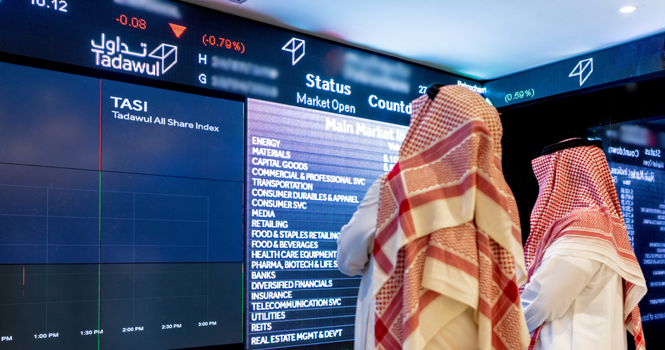
Foreign institutional investors injected SAR 3.4 billion into the Saudi Exchange in April 2026, signaling a major shift in liquidity and market sentiment.
Continue with
Foreign institutional investors recorded a net buying position of SAR 3.4 billion on the Saudi Exchange, known as TASI, throughout the month of April 2026. This influx of capital represents a significant shift in liquidity dynamics for the region, signaling a renewed appetite for Saudi equities among international participants. While retail sentiment often dominates short-term price action, institutional flows of this magnitude typically indicate a broader rebalancing or a strategic increase in exposure to the Saudi market by global asset managers.
Liquidity Shifts and Institutional Positioning
The net inflow of SAR 3.4 billion serves as a primary indicator of how foreign capital is currently interacting with the TASI index. When institutional players move into a market with this level of conviction, the immediate effect is a tightening of the free float for high-conviction names. This creates a supply-demand imbalance that can support price floors even during periods of broader regional volatility. Investors should look at this not as a signal of immediate momentum, but as a structural change in the liquidity profile of the exchange.
For those analyzing the stock market analysis landscape, the distinction between institutional and retail flow is critical. Institutional buyers generally operate on longer time horizons, meaning this SAR 3.4 billion is likely a deployment of capital based on fundamental valuation models rather than speculative day-trading. If this trend continues, it suggests that foreign desks are finding value in the current pricing of Saudi blue-chip companies, potentially anticipating better earnings visibility or improved dividend yields in the coming quarters.