Stocks● Neutral
Forbright sells its last branches to Trustar in bet on digital-only future
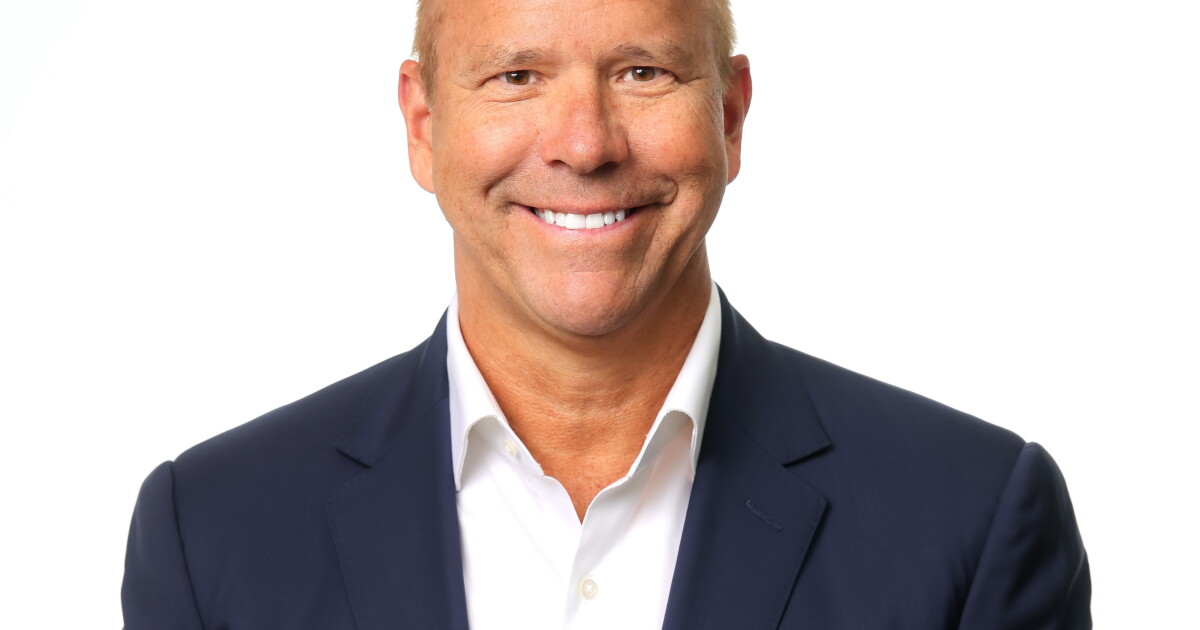
Forbright Bank sells its last two Maryland branches and its Tysons customer center to Trustar for a $19 million deposit premium, betting its digital platform can replace them.
Continue with
Two Washington, D.C.-area community banks have arrived at fundamentally different views on the value of a physical branch. For the $1.1 billion-asset Trustar Bankshares in Great Falls, Virginia, branches remain central to its traditional community-banking model. For the Chevy Chase, Maryland-based Forbright, which launched an online strategy in 2022, they have become a distraction.
That divergence frames the deal the two companies announced Friday. The $8.5 billion-asset Forbright agreed to sell its legacy physical footprint – two branches in Montgomery County, Maryland, and a customer service center in Tysons, Virginia – to Trustar for a $19 million deposit premium.
Forbright, holding company for Forbright Bank, is parting with $750 million in local deposits. It can afford to do so because growth in its national business lines and increasingly productive digital deposit-gathering have rendered the branch network expendable, CEO and Executive Chairman John Delaney said.
"Our national businesses have reached the scale and momentum that allow us to focus our capital, technology, and management attention where our competitive advantages are strongest," Delaney said in a press release.
"Our job is to position Forbright to be in front of these trends, not to spread ourselves across non-core businesses," President and COO Don Cole added.
Forbright declined to make additional comments.
The branch sale is expected to close in the fourth quarter. It comes a little more than two months after Forbright raised $142.2 million in an initial public offering.
For the $1.1 billion-asset Trustar, whose Trustar Bank subsidiary operates under a traditional community bank model and already has one branch in Bethesda, the deal expands its reach in affluent Montgomery County. The median household income there tops $140,000, according to the U.S. Census Bureau. Tysons, where Forbright's customer service center sits, is only slightly less affluent, with a median approaching $130,000.