Stocks● Neutral
flynas Launches Qassim Hub with 5 Direct Routes
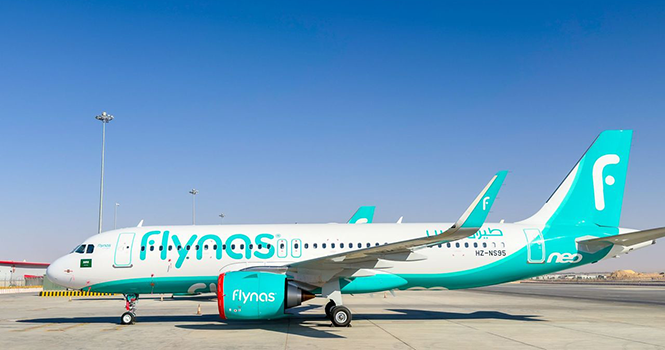
flynas opens its sixth hub in Qassim with five direct routes including Istanbul and Trabzon. The expansion shifts the competitive balance for Saudi low-cost carriers.
Continue with
flynas will open a sixth operational hub at Prince Naif bin Abdulaziz International Airport in Al-Qassim next July, the Saudi low-cost carrier said. The move makes flynas the first Saudi airline to run a network from six domestic hubs.
The initial phase offers direct flights to five destinations, split between international and domestic. The three international routes from the new base are Istanbul, Trabzon, and Cairo’s Sphinx International Airport. The two domestic routes are Abha and Dammam.
The airline said the expansion fits its growth strategy under the slogan “We Connect the World to the Kingdom.” It plans to gradually double the number of destinations served from the Qassim hub. The base will operate alongside flynas’s existing hubs in Riyadh, Jeddah, Dammam, Madinah, and Abha.
What the Qassim Hub Means for Airport Operators
Cluster2 Airports Co., which manages operations at Prince Naif bin Abdulaziz International Airport, gains a committed anchor carrier. A low-cost base typically drives passenger volumes and ancillary revenue through retail, parking, and landing fees. The deal also signals that Saudi secondary airports can attract network expansions, not just seasonal or Hajj traffic.
The practical question is how fast flynas can fill the new capacity. The routes target three distinct demand pools: leisure and religious tourism to Istanbul and Trabzon, a growing Egyptian travel corridor via Cairo Sphinx, and domestic links to Abha and Dammam that already see flynas service from other hubs. The carrier is betting on point-to-point demand from Qassim’s population base rather than relying on connecting passengers from Riyadh.
Low-Cost Carrier Competition in Central Saudi Arabia
Qassim sits in the central-north region, roughly equidistant from Riyadh and Hail. flynas now competes with Saudia and Air Arabia on key trunk routes from the region. Saudia operates from Qassim to Jeddah, Riyadh, and Medina. Air Arabia connects the city to Sharjah and Cairo. flynas adds Istanbul and Trabzon, a new international pair for the catchment.