Stocks● Neutral
Florida Gulf Coast Retirement at 59 Needs $3 Million
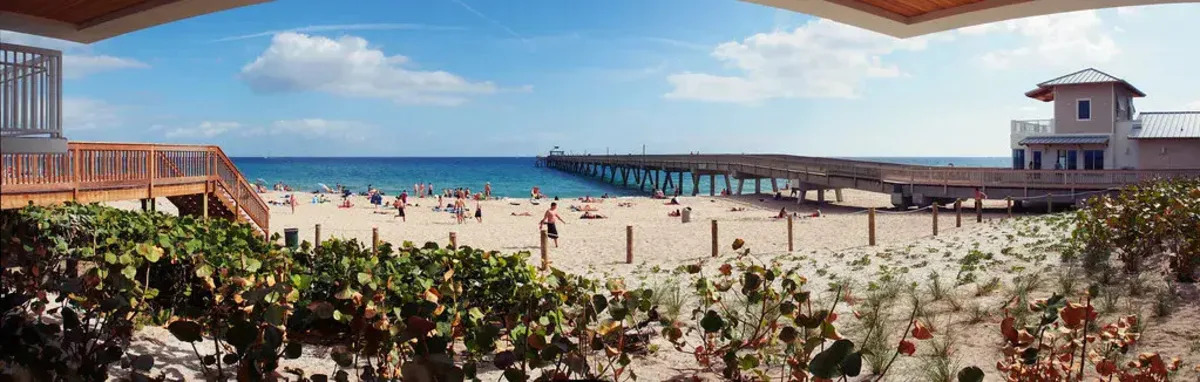
Insurance, not the view, is the real risk to Gulf Coast retirement: $550,000 paid-off home plus $3 million invested, drawn at 3.4% until Social Security at 67.
Continue with
A couple retiring at 59 to Florida's Gulf Coast needs a paid-off home near $550,000 and about $3 million in invested assets, drawn at 3.3% to 3.5% until Social Security starts at 67. The arithmetic is plain: a realistic annual budget lands near $102,000, and dividing that by a 3.4% withdrawal rate yields just over $3 million.
The biggest threat to that plan is not the purchase price or the tax bill. It is homeowners insurance. Wind and flood coverage plus the HO-3 policy on a coastal property can consume $350,000 to $500,000 over a 30-year retirement, more than property taxes and maintenance combined.
Florida no longer prices like a bargain. The state's cost of living index sits at 103.414, above the national baseline and higher than 35 other states, including Georgia at 96.293 and North Carolina at 94.326. The coast itself runs above the state average. Sarasota and Naples price like resort markets, while Punta Gorda and pockets of Pinellas County still leave room.
Assume a couple buys a modest single-family home or waterfront-adjacent condo outright in the $525,000 to $650,000 band. The Case-Shiller national index sits at 335.1, its highest level in a year and in the 90th percentile historically. This is not a discount entry. Existing home sales run at a soft 4.09 million annualized pace, which gives patient buyers room on price and concessions.
The annual budget for a paid-off Gulf Coast home, in current dollars, runs like this. Property taxes with the homestead exemption come to $5,500. Wind and flood insurance plus the HO-3 policy costs $9,500. Maintenance and salt-air upkeep add $6,000. Utilities with summer cooling run $4,800. Groceries and dining at the USDA moderate plan for two, with a coastal markup, come to $14,400. Vehicle costs, including fuel and insurance, total $9,000. ACA health coverage for a pre-Medicare couple is the heaviest line at $22,000. Travel, hobbies, a boat or club membership, and gifts add $15,000. Miscellaneous reserves and federal taxes on withdrawals take $10,000.
That lands near $102,000 a year. Florida's zero state income tax remains the structural advantage over the Carolinas or the Northeast for a retiree pulling from an IRA.