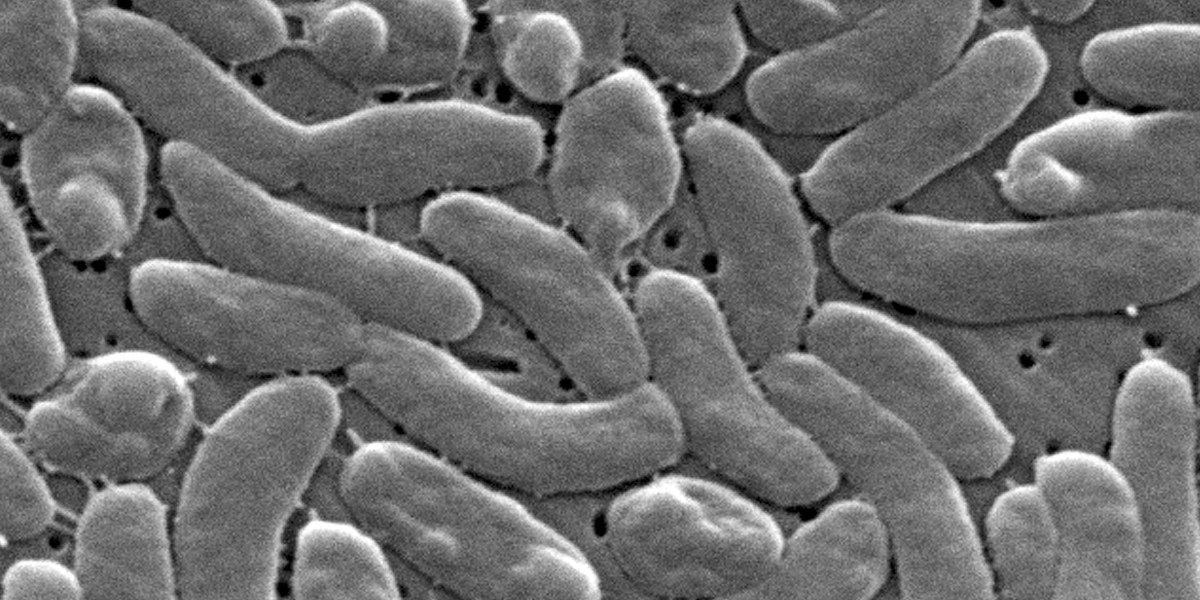
Louisiana confirms nine Vibrio vulnificus infections, five deaths, as CDC warns of rising cases along the Gulf Coast. Florida reports 14 cases so far this year.
Louisiana health officials issued a warning after a sharp rise in flesh-eating bacteria infections along the Gulf Coast. The state has confirmed nine cases of Vibrio vulnificus this year, all requiring hospitalization, and five people have died, the Louisiana Department of Health said in a release last week.
That compares with an average of seven cases and one death over the same period in the prior decade. “Seek medical care immediately if a wound exposed to brackish or salt water becomes red, swollen, painful or discolored,” officials said. “Tell the health care provider about the water exposure.”
Vibrio bacteria thrive in seawater and the brackish mix found in estuaries and lagoons. Most infections occur from May to October, and most happen along the Gulf Coast. The Gulf provides the right salt and heat levels for the organism to proliferate, doctors said.
The deadliest strain is Vibrio vulnificus. As many as one in five infections are fatal, according to the Centers for Disease Control and Prevention. That rate is much higher than other Vibrio types.
Florida, which typically reports more cases than other states, has logged 14 Vibrio vulnificus infections and two deaths so far this year. Last year the state had 33 cases and five deaths. Records show more cases in years when Florida is hit by tropical storms and hurricanes.
Some people become infected by eating raw or undercooked shellfish, especially oysters. A large share of infections occur when the bacteria enter the body through small breaks in the skin during water contact. Severe cases are more common in elderly patients, people with weakened immune systems, and those with liver disease, diabetes or certain chronic illnesses, doctors said.
Scientists say climate change is helping the bacteria spread northward. A 2023 study found the northernmost case has been shifting by about 30 miles each year, and overall case counts have been rising.
The outbreak comes at the peak of summer travel along the Gulf Coast. Oyster sales, already under seasonal scrutiny from health warnings, could face additional pressure. Restaurant chains with Gulf Coast exposure may see reduced demand, though no major companies have reported a direct impact so far.
The CDC recommends that people immediately wash cuts and scrapes with soap and clean running water after contact with coastal waters or raw seafood. Anyone developing symptoms such as fever, chills, or hot red areas that start to darken and blister should see a doctor. Officials also advise throwing away any clams, mussels or other shellfish with open shells before cooking.
Drafted by a large language model from the source reporting linked above, then screened by automated publishing checks. It is not read by a journalist before publication. Some articles cite our Alpha Score. Verify prices and figures against the original source. Educational coverage, not personalized advice.